News Summary
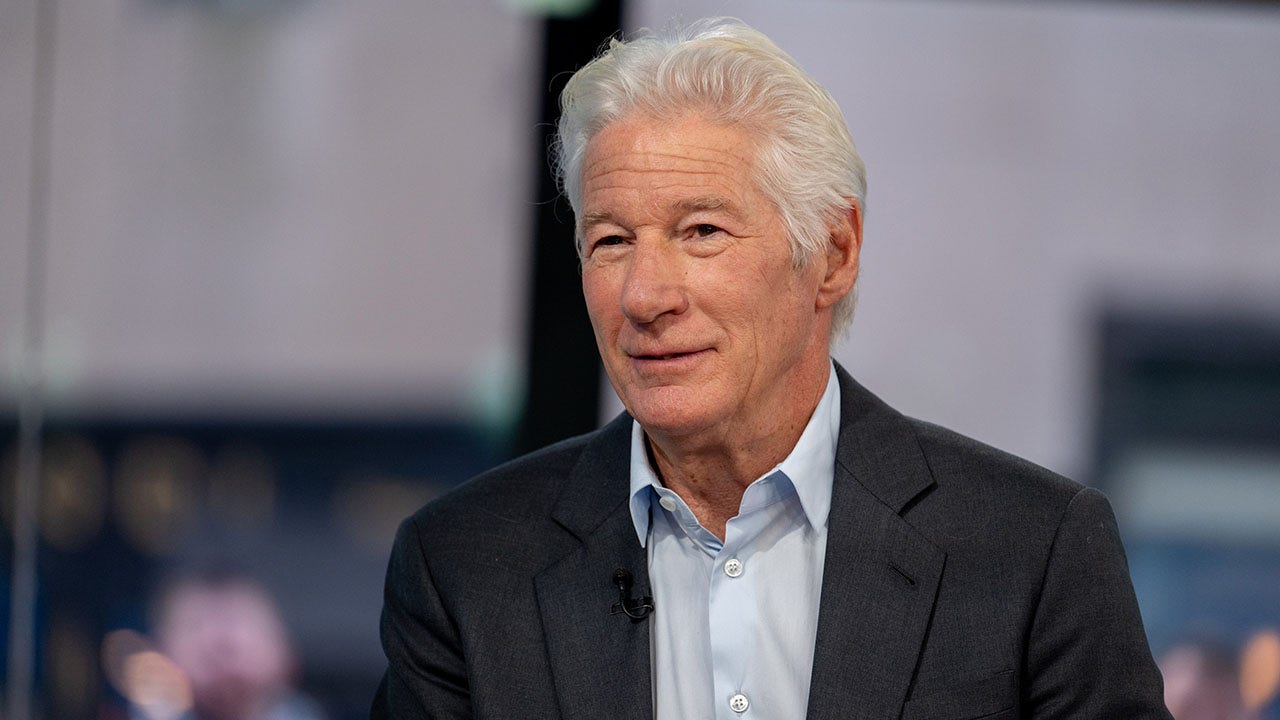
At the Oslo Freedom Forum in Norway, actor Richard Gere said the United States is in the "darkest moment" he has experienced and criticized President Donald Trump, calling him a "maniac" and saying he has "dismantled" much of what was good about government and society. Gere said complacency and failure to persuade others to vote contributed to the country's situation, and he urged vigilance, citing a recent visit to the Dachau concentration camp as a warning about how quickly freedoms can be lost. Gere has publicly moved to Spain with his wife Alejandra Silva (late 2024) and has previously told media he believes the U.S. is on a wrong track under current leadership, urging the election of leaders with a different vision.
Biblical Reflection
This article reports a public figure's political opinion and call to civic vigilance. Gere's language is strongly worded and personal—reflecting moral alarm rather than empirical policy analysis—and includes a historical comparison that risks equating different kinds of wrongdoing. Christian discernment welcomes prophetic warnings against injustice and indifference, but also requires care: truth-telling should avoid hyperbole that dehumanizes opponents or foments fear. Gere's admission of personal responsibility for not doing more to persuade others models humility and accountability; at the same time Christians should test passionate claims against facts, prioritize charity toward neighbors with differing views, and channel concern into constructive actions (prayer, informed voting, community service) rather than rhetoric alone. The underlying worldview expressed is one of urgency and activist responsibility—encouraging vigilance in civic life—but it must be balanced by mercy, humility, and a commitment to peaceful persuasion.
Scripture in context
This outlook does not yet include contextual Scripture citations. Do not treat a general biblical theme as an exegetical conclusion.
Faithful Response
No prescribed response is offered. Consider the reflection prompts below in your own church context.
Reflection and Discussion
- 1Is this speaker offering evidence-based critique or primarily an emotional warning, and how should that shape my response?
- 2Am I adopting language that elevates fear over faithful action, or does my engagement lead to constructive civic and neighborly care?
- 3When public figures use historical atrocities as comparisons, what standards should I use to judge whether the analogy is responsible?
Sources
Reporting links are evidence inputs; Sanctuary News' biblical reflection is commentary.
This outlook currently relies on fewer than two linked sources. Broaden verification before teaching from it.
- 1.Original reportprimary