News Summary
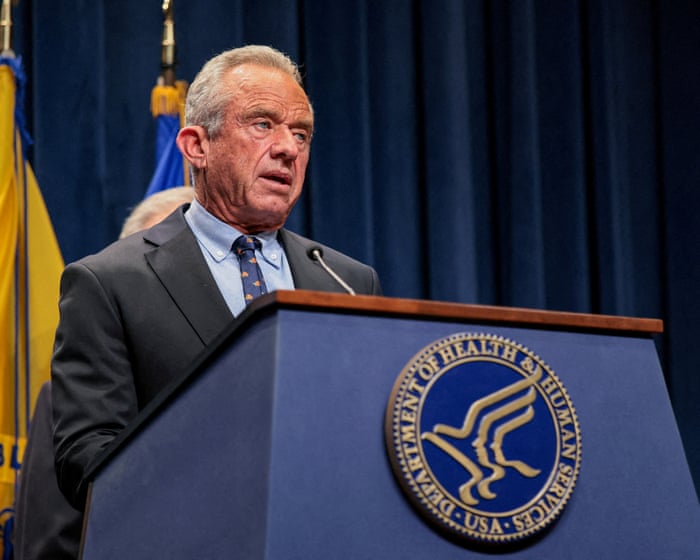
The Guardian (Aug. 28, 2026) reports that two measles-associated deaths were recorded in Pennsylvania, including at least one newborn. Anti-vaccine activists have reportedly tried to contact the bereaved families. The article attributes comments to Robert F. Kennedy Jr.—described in the piece as the U.S. Department of Health and Human Services secretary—suggesting the deaths may have been “fabricated.” A Republican, elected coroner in Lancaster County is reported to have said one of the measles-associated deaths was unrelated to the virus, even though the stated cause would be consistent with measles. Governor Josh Shapiro publicly called Kennedy’s remarks “inaccurate and misleading.” The Guardian frames the events as an episode of vaccine-related misinformation and public targeting of grieving families. The article relies on public statements and reporting rather than publishing primary medical or forensic documents or direct statements from the families.
Source and Framing Analysis
The Guardian frames this cluster primarily as a spread-of-misinformation story centered on public statements and activist behavior. Strengths of the reporting: it attributes contested claims (Kennedy’s suggestion, the coroner’s comment, the governor’s response) and highlights potential harm (activists attempting to identify and contact families). Limitations and uncertainties in the piece: the article does not publish primary documents (death certificates, full coroner reports) or direct quotations from the bereaved families; details about how the deaths were classified as “measles-associated” are not supplied; some assertions (for example, activists’ efforts to identify families) are reported without reporting the primary evidence in full. The political identifications in the report (an elected Republican coroner; the governor’s rebuttal; RFK Jr.’s public profile) shape attention toward accountability and public discourse as much as toward forensic or medical detail. Readers should note that the article responsibly uses cautious language for contested claims but that independent confirmation from primary health and legal records is not included in the published piece.
How sources covered this story
Sanctuary separately assesses reporting quality and alignment with Christian virtues. The virtues assessment considers truthfulness, dignity, compassion, justice, peacemaking, humility, and care for vulnerable people. It does not assess a publisher's faith or reward religious language.
Compare 1 reports
Rank 1
The Guardian: Vaccine misinformation spreads as RFK Jr suggests two measles deaths were ‘fabricated’Reporting 78/100Virtues 75/100
- Distinctive contribution
- Specifies anti-vaccine activists were trying to track down families (a concrete harmful tactic), identifies RFK Jr.'s characterization of the deaths as potentially "fabricated," notes a Republican elected coroner disputed one death's relation to measles while the stated cause would still be consistent with measles, and links governor Josh Shapiro's rebuttal/
- Framing
- Frames the situation as the spread of misinformation by 'anti-vaxxers' and places RFK Jr.'s remarks in that context; presents disagreement between local official (coroner) and public-health interpretation and mentions state-level pushback from the governor. The excerpt uses cautionary verbs ('suggested', 'claimed') signalling contested claims rather than asserting them as fact.
- Omissions or uncertainty
- No names or ages beyond 'at least one newborn'; no dates or locations beyond 'Pennsylvania' and 'Lancaster county' implied by the coroner reference; no direct quotes from the coroner, RFK Jr., governor Shapiro, or the families; no sourcing for the claim that activists are 'trying to track down the families'; limited medical detail on how deaths were 'measles-associated' or what evidence underlies that classification.
- Why these scores
- The excerpt uses cautious, attributable language and supplies useful contextual detail (e.g., coroner is an elected Republican, reference to governor's pushback). It identifies contested claims rather than asserting them and highlights potential harm (activists contacting families). Deductions: it's concise and responsibly worded, but the excerpt lacks direct quotes, precise sourcing for some assertions (the activists' actions), and specific factual detail (names, dates, medical evidence), preventing a higher score. The excerpt treats vulnerable people (bereaved families, a newborn) with protectionary language by highlighting intrusive, potentially harmful behavior by activists and calling out misinformation. It avoids dehumanizing language about the deceased or families. The label 'anti-vaxxers' is pejorative but descriptively common; overall the piece demonstrates concern for truth and the dignity and safety of vulnerable people. Points are deducted slightly for the pejorative label and the lack of explicit empathy-language toward the bereaved in the short excerpt.
Biblical Reflection
Christians should hold two moral responsibilities in view regarding the RFK Jr. comments and the reported measles deaths: first, a duty to pursue and uphold truth because public falsehoods about health can cause direct harm (discouraging vaccination, spreading disease, retraumatizing families); second, a duty to protect and comfort vulnerable people, including grieving families and sick children. Pursuing accuracy means verifying claims with primary public-health and legal records before sharing them and asking public figures for evidence rather than amplifying rumor. Protecting the vulnerable means refusing to weaponize bereavement for political ends, offering pastoral care and privacy to families, and supporting public-health measures (like vaccination) that safeguard those least able to protect themselves. These obligations call for both firm correction of dangerous falsehoods and compassionate restraint toward individuals when they are grieving.
Scripture in context
- 1Ephesians 4:15-16 (instructional context) — A New Testament passage that instructs believers to speak the truth in love for the health and maturity of the community; it addresses how Christians should correct and build up one another within the body of faith. — This passage calls Christian responders to correct misinformation without cruelty—prioritizing truthful speech that builds up rather than shames—and to weigh how public claims affect the dignity and wellbeing of vulnerable people, including bereaved families and sick children.
Faithful Response
Verify before sharing: consult official public-health notices, coroner reports (when publicly released), or primary documents rather than repeating secondhand social posts.
Prioritize pastoral care: protect the privacy of bereaved families, offer confidential pastoral support, and discourage congregants from seeking or disseminating identifying information about the families.
Correct falsehoods gently but firmly: when confronting misinformation in your community, cite credible health authorities, ask public figures for evidence, and avoid ad hominem attacks on those who have been misled.
Support public-health measures that protect the vulnerable: encourage vaccination as an act of neighbor-love and help connect congregants with trusted medical resources.
Advocate for transparent public communication: urge health institutions and officials to publish clear, timely information so rumor and speculation have less purchase.
Reflection and Discussion
- 1How does our commitment to truth shape the way we respond when a public figure repeats unverified claims about illness or death?
- 2What practical steps can our congregation take to protect the privacy and dignity of grieving families while still advocating for public health?
- 3When correcting misinformation among friends or family, how do we balance firmness about facts with compassion for those who have been misled?
- 4How should our congregation engage civic authorities to encourage transparent, timely release of public-health and coroner information without violating family privacy?
Sources
Reporting links are evidence inputs; Sanctuary News' biblical reflection is commentary.
This outlook currently relies on fewer than two linked sources. Broaden verification before teaching from it.
- 1.Vaccine misinformation spreads as RFK Jr suggests two measles deaths were ‘fabricated’primary_reporting