News Summary
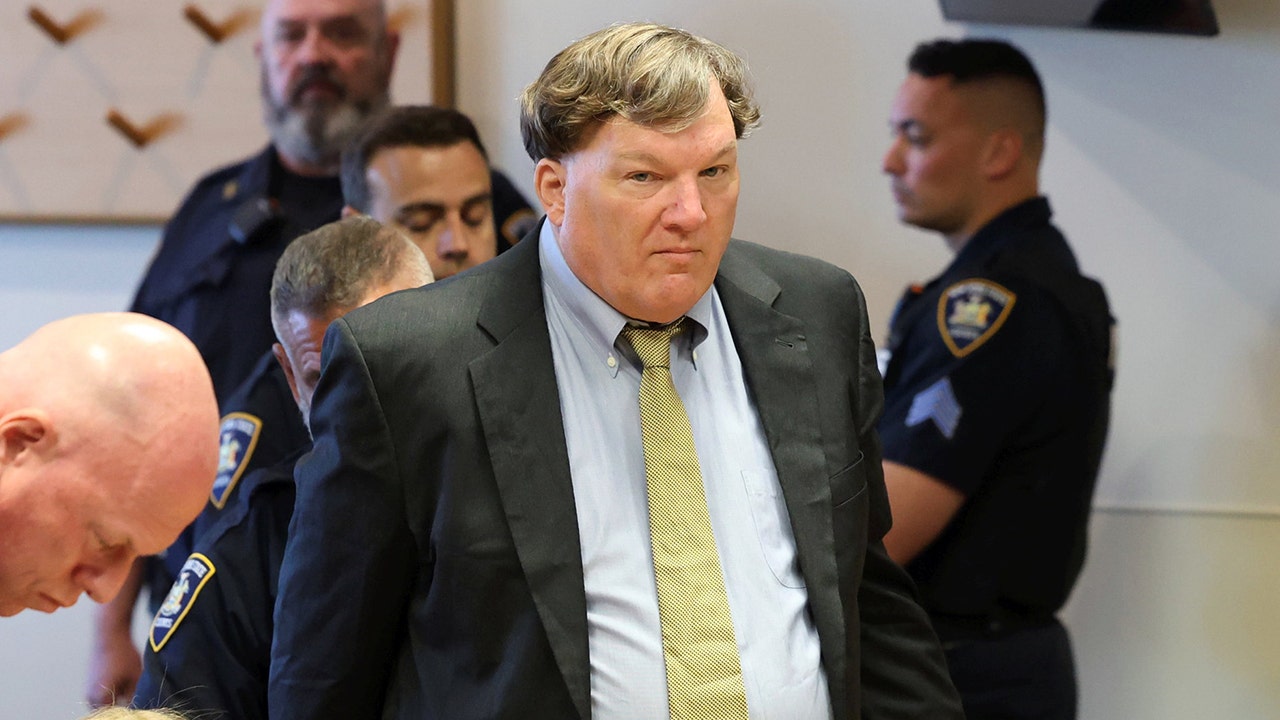
Rex Heuermann pleaded guilty to seven murders and admitted to an eighth in the long-running Gilgo Beach investigation; on June 16, 2026, he received consecutive life terms without parole plus additional consecutive terms. Suffolk County District Attorney Ray Tierney described physical evidence recovered from Heuermann’s Long Island home, including a basement area covered in plastic sheets that prosecutors say matched a planning document Heuermann labeled "HK" (interpreted as "hunt-kill"). The recovered document allegedly listed supplies, notes about traffic cameras, and instructions such as using tape rather than push pins to hang drop cloths. Investigators used ultraviolet/infrared lights and found adhesive stains forming a square in the basement consistent with where crimes were believed to have occurred. Tierney said Heuermann had researched his crimes in news reports, wrote and deleted multiple versions of the document, and at one point read the book "Mindhunter." As part of a plea agreement, Heuermann will be evaluated by the FBI Behavioral Analysis Unit. Families of the victims delivered impact statements in court; prosecutors noted they have additional evidence not yet public and declined to speculate publicly on whether there may be more victims. The victims named in reporting include Sandra Costilla, Karen Vergata, Valerie Mack, Jessica Taylor, Maureen Brainard-Barnes, Melissa Barthelemy, Megan Waterman, and Amber Lynn Costello, with killings believed to span from 1993 through 2010.
Biblical Reflection
This reporting documents a judicial outcome and prosecutorial account of how investigators connected long-unsolved crimes to a single defendant. The article centers both on the mechanics of the investigation and on graphic details about the alleged "kill room," which can satisfy public interest in accountability but also risks retelling traumatic details in a way that reopens wounds for victims' families. The prosecutor's statements and the recovered planning document strengthen the factual claim that the killings were deliberate and planned; the piece also highlights the justice system functioning to secure a guilty plea and a life sentence. Readers should note the article's tendency toward sensational framing—invoking a fictional TV show and vivid descriptions—that shifts focus toward the perpetrator rather than the lives lost. From a Christian perspective, truth-telling and pursuing justice for the vulnerable are necessary, but so is protecting the dignity of victims and avoiding morbid fascination. The path of healing requires both firm accountability for wrongdoing and pastoral care for survivors; reporting that balances sober fact with restraint better serves mercy and neighbor-love.
Scripture in context
This outlook does not yet include contextual Scripture citations. Do not treat a general biblical theme as an exegetical conclusion.
Faithful Response
No prescribed response is offered. Consider the reflection prompts below in your own church context.
Reflection and Discussion
- 1How does sensational language or pop-culture comparison in crime coverage shape our sympathy—toward perpetrators, victims, or their families?
- 2What details in this reporting serve public accountability versus what might needlessly retraumatize survivors or exploit suffering for attention?
- 3What gaps in social systems or community care does a long-unsolved string of killings reveal about how we protect vulnerable people?
Sources
Reporting links are evidence inputs; Sanctuary News' biblical reflection is commentary.
This outlook currently relies on fewer than two linked sources. Broaden verification before teaching from it.
- 1.Original reportprimary