News Summary
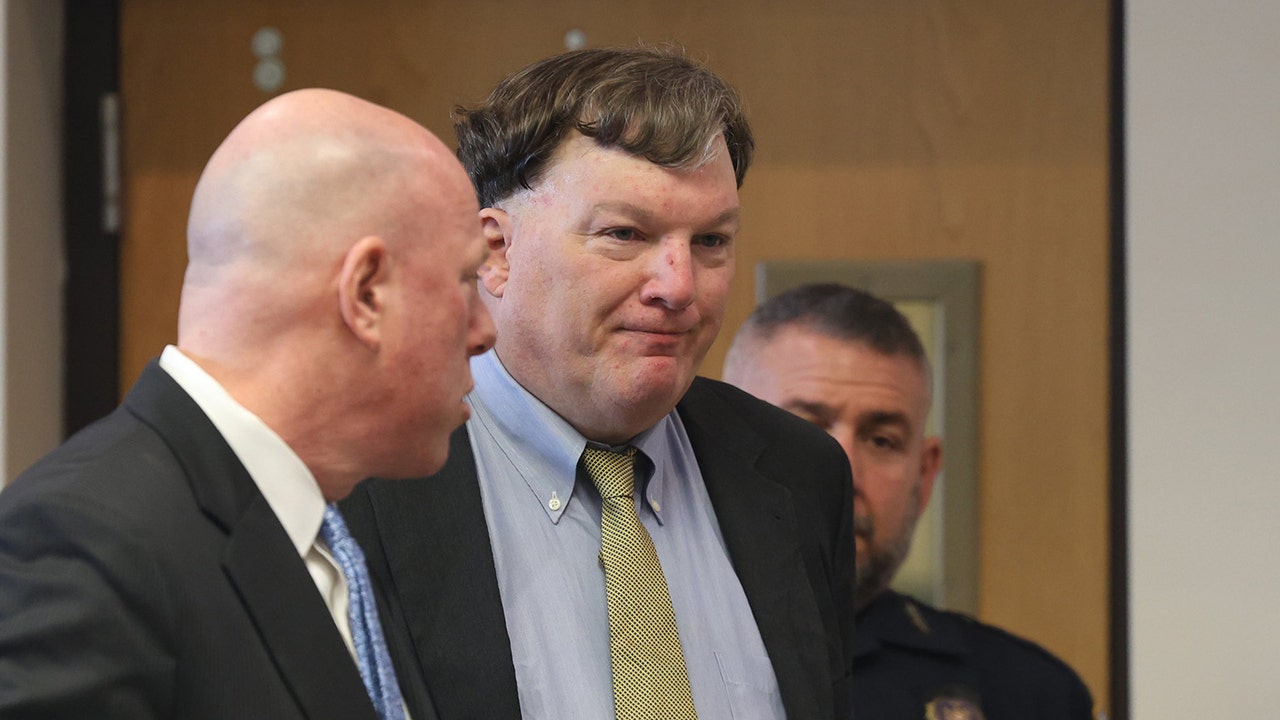
Rex Heuermann, a 62-year-old architect arrested in July 2023, pleaded guilty in Suffolk County Court to murdering seven women whose remains were found on Long Island. The victims identified in reporting include Melissa Barthelemy, Amber Lynn Costello, Maureen Brainard-Barnes, Megan Waterman, Jessica Taylor, Valerie Mack (remains recovered along Ocean Parkway at Gilgo Beach), and Sandra Costilla (found in the Hamptons). An eighth woman, Karen Vergata, has not been charged in connection with Heuermann. Investigators connected Heuermann to the cases using vehicle registration and witness reports, cellphone data showing contact with some victims, retested DNA on remains, and DNA obtained from discarded pizza crusts. Prosecutors allege he used burner phones to arrange meetings and that internet searches and a seized computer supported an intent to commit violence; detectives also found a large private weapons cache at a family home. A judge previously ruled that new DNA evidence obtained with updated technology would be admissible. Heuermann had maintained innocence until the plea; a trial had been scheduled for September 2026 prior to the guilty plea.
Biblical Reflection
This case brings together two plain realities a Christian view must hold in tension: the demand for truth and justice on behalf of vulnerable victims, and the need to resist sensationalism that reduces people to headlines. The guilty plea, supported by forensic evidence and investigative work, affirms that civil justice mechanisms can identify and hold accountable perpetrators. At the same time, media accounts that emphasize lurid details or imply profit motives by family members risk dehumanizing victims and inflaming public curiosity rather than serving mourning families. Christians are called to mourn with those who mourn (Romans 12:15), to seek justice (Micah 6:8), and to speak truth without exploiting suffering for entertainment. The article largely reports prosecutorial claims and investigatory findings; readers should note which facts come from court records and which are allegations or characterizations from media sources. Finally, the story highlights broader moral and social issues—marginalization of certain groups (including sex workers), the pastoral care needs of survivors’ families, and ethical uses of forensic technology—that should shape Christian responses toward compassion, advocacy for the vulnerable, and sober pursuit of justice rather than schadenfreude.
Scripture in context
This outlook does not yet include contextual Scripture citations. Do not treat a general biblical theme as an exegetical conclusion.
Faithful Response
No prescribed response is offered. Consider the reflection prompts below in your own church context.
Reflection and Discussion
- 1What biases show up in coverage that highlights lurid or sensational details rather than the lives and dignity of the victims?
- 2How should Christians weigh confidence in forensic and legal processes with the call to compassionate care for marginalized victims and grieving families?
- 3Does the framing of this story encourage retribution, curiosity, or restorative justice—and how should that shape our moral response?
Sources
Reporting links are evidence inputs; Sanctuary News' biblical reflection is commentary.
This outlook currently relies on fewer than two linked sources. Broaden verification before teaching from it.
- 1.Original reportprimary