News Summary
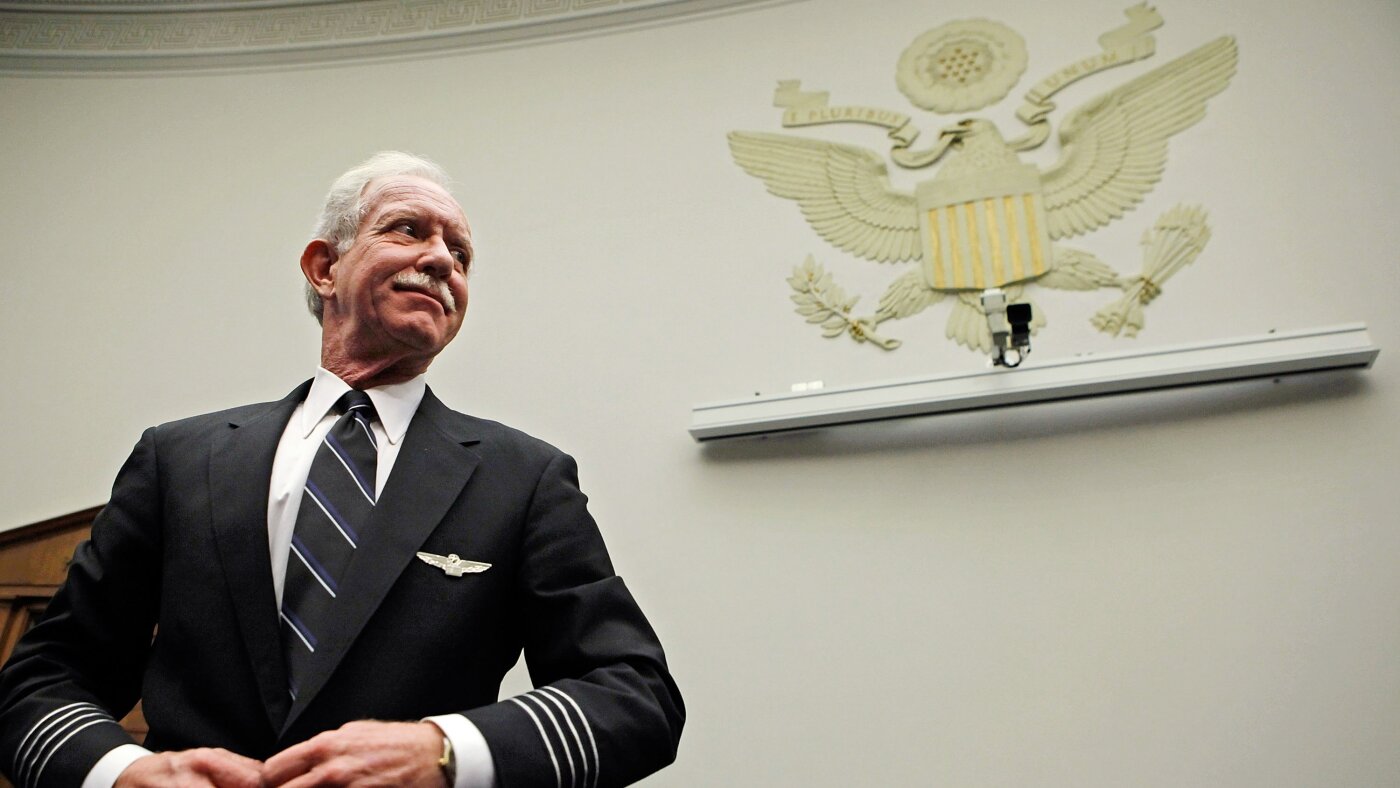
Facts reported: Chesley "Sully" Sullenberger, 75, said he has been diagnosed with early-stage Alzheimer’s disease and described mild memory and sleep-related symptoms; he hopes his disclosure will encourage others to come forward. The article recalls his 2009 Hudson River landing and cites Alzheimer’s Association estimates (more than 7 million Americans 65+ with Alzheimer’s; ~200,000 younger Americans with the disease). Attributed claims: the prevalence numbers are attributed to the Alzheimer’s Association. Uncertainties: the report does not give medical documentation beyond Sullenberger’s statement, details about his care plan, prognosis, or comments from clinicians or family members.
Source and Framing Analysis
Source role: NPR is reporting a primary announcement from Sullenberger and providing context. The piece functions as human-interest reporting rather than investigative or policy journalism. Missing voices: Sullenberger’s medical providers, family or named caregivers, Alzheimer’s clinicians or researchers, and representatives of caregiver organizations are not quoted. Incentives and framing: the article leverages Sullenberger’s public stature and the Miracle on the Hudson narrative to elicit empathy and to highlight courage; this approach increases reader engagement but can center celebrity over systemic issues. Disputed claims and verification: the article rests on Sullenberger’s statement and cites Alzheimer’s Association statistics; independent verification of clinical details, care plans, and current condition is not provided and would require primary medical or family statements. The story would benefit from expert medical comment and caregiver perspectives to broaden understanding of practical and policy implications.
Biblical Reflection
This piece presents a well-founded, sympathetic account of a public figure facing a common but devastating illness. The intent appears to be to honor Sullenberger’s earlier heroism while highlighting the quiet courage of living with progressive disease and the value of public disclosure to reduce stigma. From a Christian perspective, the article resonates with truth and compassion: it tells factually what happened and shows vulnerability without exploiting it. It does, however, risk centering celebrity rather than the everyday caregivers and lesser-known sufferers whose needs are often greater and less visible. Christians should recognize both the dignity of Sullenberger’s witness and the broader pastoral implications: the gospel calls us to honor courage in many forms (public heroics and patient endurance), to speak and act with humility, to offer mercy and practical care for those who suffer, and to advocate for communities and systems that support families facing dementia. Beware of narratives that elevate individual bravery as a substitute for structural support; Christian love requires both honoring testimony and working for tangible care and resources.
Scripture in context
- 1Galatians 6:2 — Paul writes to a diverse Gentile and Jewish Christian audience about life in community, urging believers to live by the Spirit and to bear one another’s burdens as an expression of fulfilling the law of Christ in everyday relationships. — In its historical context, the verse addresses mutual care within a faith community. Applied today, it challenges congregations to create tangible supports for people and families affected by chronic illness—respite, visitation, practical help—rather than offering only words of admiration or transient sympathy.
Faithful Response
Pray regularly for those affected by Alzheimer’s and for their caregivers, asking for patience, clarity, and provision.
Learn concretely about Alzheimer’s and caregiving needs through reputable local resources and the Alzheimer’s Association so pastoral care is informed and practical.
Offer consistent presence: visit, call, or coordinate short-term help (meals, errands) rather than only sending isolated messages of sympathy.
Advocate within your community for caregiver supports (respite options, support groups) and for public policies that ease financial and care burdens.
Reflection and Discussion
- 1Whose experiences are highlighted in this story and whose are left out—how does that shape our perception of Alzheimer’s as a public problem?
- 2Does the article move readers toward sustained help (resources, policies, caregiver support) or primarily toward individual inspiration?
- 3How might a congregation practically translate compassion sparked by a public disclosure into ongoing support for affected families?
Sources
Reporting links are evidence inputs; Sanctuary News' biblical reflection is commentary.
This outlook currently relies on fewer than two linked sources. Broaden verification before teaching from it.
- 1.Retired Pilot Sullenberger Announces Alzheimer's Diagnosisprimary_reporting