News Summary
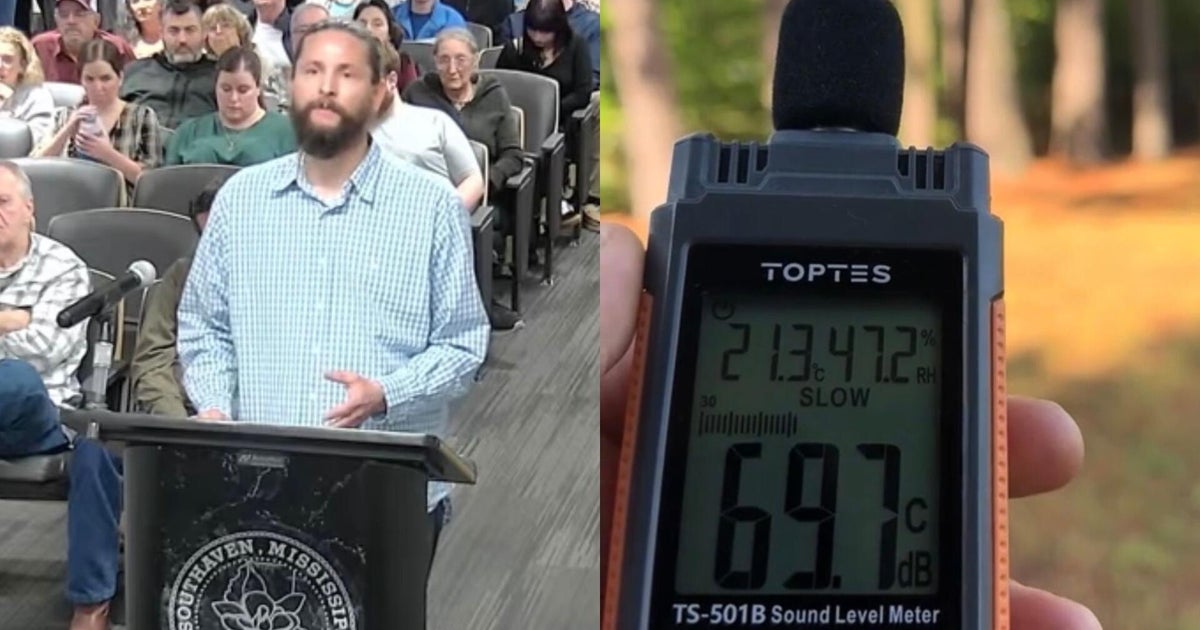
Three Southaven, Mississippi residents filed a lawsuit in June alleging that near-constant noise and vibrations from a power plant supplying xAI's local data centers have caused headaches, ringing in the ears, sleep loss, and other physical and psychological harms. The plant was reactivated to support xAI's Colossus data centers, which began operating in Memphis in 2024 and expanded thereafter. Residents report measurable noise levels above World Health Organization nighttime recommendations; recordings include levels over 60 decibels. Local residents formed a coalition (Safe and Sound) and publicized the problem at city meetings and online. Southaven Mayor Darren Musselwhite acknowledged the noise and said he was working with xAI to find solutions, but also advised one complainant privately to consider selling his home and publicly warned of politicized opposition. xAI and its subsidiary MZX Tech installed mitigation measures (sound wall, berm, trees) that residents say were ineffective; CBS News sought comment from the company. The NAACP filed a separate lawsuit challenging air permits and alleging harmful emissions from gas turbines at the facility; court filings indicate the number of turbines has increased. State and local officials have touted xAI's economic investment in the region, and the company has made donations to local institutions and offered discounted Starlink service in the area.
Biblical Reflection
This story highlights a recurring social tension: technological and economic development can bring jobs and investment but also impose real, sustained harms on nearby neighbors. The article presents clear testimony from affected residents and cites medical and public-health sources about noise and pollution risks, which aligns with evidence that chronic noise and emissions can damage health. At the same time, reporting notes government and corporate incentives that favor development, and the mayor’s comments suggest a posture that privileges economic benefit and political defense over addressing immediate suffering. Christians should notice two concerns: first, whether those with power are listening to and protecting vulnerable neighbors (children, lower-income or less-mobile households, and communities facing disproportionate pollution); second, whether civic decision-making respects truth and justice rather than short-term gain or partisan framing. The narrative includes some bias toward the residents’ perspective—understandable given their documented health effects—but also leaves room to consider legitimate economic stakes and mitigation efforts. Pastoral discernment calls for advocating for restorative remedies (effective noise mitigation, independent health and environmental study, fair compensation or relocation assistance when necessary) while resisting rhetoric that dismisses suffering as mere activism. Loving one’s neighbor here means centering the wellbeing of those who must live with the noise and pollution, using lawful channels for accountability, and urging elected officials and companies to act with humility and reparative care.
Scripture in context
This outlook does not yet include contextual Scripture citations. Do not treat a general biblical theme as an exegetical conclusion.
Faithful Response
No prescribed response is offered. Consider the reflection prompts below in your own church context.
Reflection and Discussion
- 1Whose wellbeing is prioritized when local officials and companies champion large investments, and how are the voices of nearby residents elevated or ignored?
- 2Are proposed solutions measurable and enforceable (noise limits, independent monitoring, mitigation or relocation), or do they rely on temporary fixes and public relations?
- 3How do we weigh community economic benefits against documented health harms, and what criteria should govern decisions that impose environmental burdens on neighborhoods?
Sources
Reporting links are evidence inputs; Sanctuary News' biblical reflection is commentary.
This outlook currently relies on fewer than two linked sources. Broaden verification before teaching from it.
- 1.Original reportprimary