News Summary
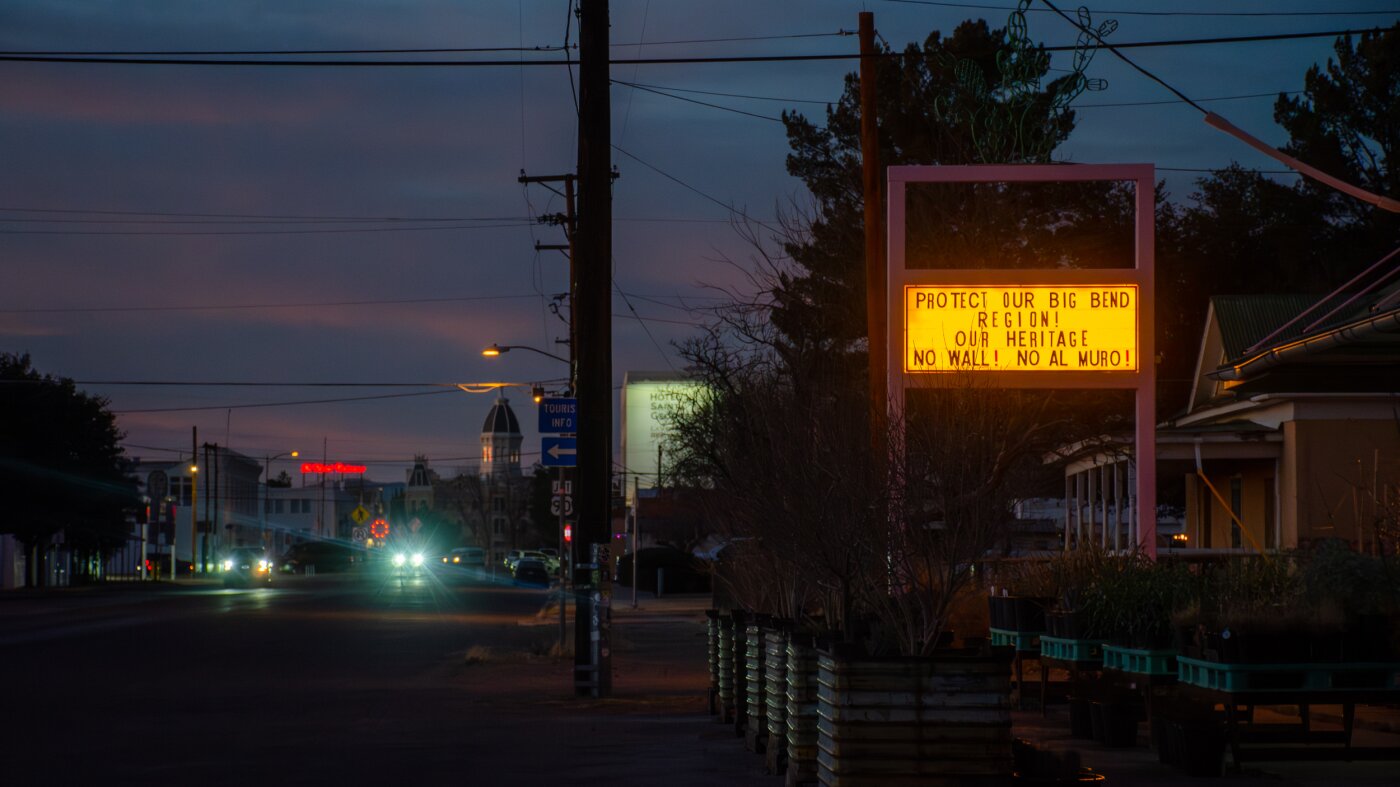
Federal authorities plan to build roughly 175 miles of border barrier in the Big Bend region of West Texas, including 30-foot-tall steel fencing in some places and vehicle barriers, patrol roads, lighting and surveillance in others. Landowners in the area — including multi‑generation ranch families — report receiving federal letters warning of eminent domain if they do not sell or provide access for construction. U.S. Customs and Border Protection (CBP) says it will try to avoid or minimize environmental impacts. Local officials, four border sheriffs, river guides, landowners and tourism stakeholders have formed a bipartisan coalition opposing construction in this area, citing threats to the environment, Indigenous and archaeological sites, dark‑sky tourism, wildlife corridors (including bears, bobcats and bighorn sheep), and the local tourism economy (which some residents estimate at roughly $56 million). CBP’s Big Bend Sector recorded 498 apprehensions in the first three months of the year, a smaller share compared with busier border sectors. CBP has revised plans for parts of Big Bend National Park — moving away from 30‑foot steel fencing there toward vehicle barriers and patrol roads — but archaeologists and opponents warn that even those measures would affect sensitive lands. Local elected officials question the strategy and cost (reported at over $17 million per mile in the region) and have sought a greater role in planning; some private landowners say they will sue to block construction.
Biblical Reflection
This story surfaces a real tension between national security aims and local stewardship of land, culture and community. The article largely centers local residents’ testimony and documents concrete impacts — loss of access, threatened livelihoods, and damage to fragile ecosystems and cultural sites — while also noting CBP’s stated intent to limit environmental harms. Christians are called both to respect legitimate government responsibility for public safety and to protect the vulnerable — which includes vulnerable places, communities, and creatures. The use of eminent domain and large federal projects requires careful accountability, transparency, and persuasive evidence that the public good outweighs particular losses. The reporting highlights voices often excluded from top‑down decisions; that raises questions about humility in governance and the Christian duty to listen to neighbors who live on and care for the land. At the same time, readers should note what the article does not fully document: detailed operational security data justifying a wall in these specific places and a comprehensive cost‑benefit assessment. The underlying worldview conflict is between centralized, securitized responses to migration and a stewardship/neighbor‑care perspective that values local knowledge, creation care, and cultural continuity. A faithful Christian response will insist on truth — asking for clear evidence and fair process — and mercy, seeking solutions that protect communities and the common good without trampling the rights and heritage of local people or God’s creation.
Scripture in context
This outlook does not yet include contextual Scripture citations. Do not treat a general biblical theme as an exegetical conclusion.
Faithful Response
No prescribed response is offered. Consider the reflection prompts below in your own church context.
Reflection and Discussion
- 1Whose voices are centered when large security projects are planned — national officials or the local people who steward the land — and how should a Christian weigh those testimonies?
- 2What concrete evidence would justify significant intrusion into fragile landscapes and private property, and are those evidentiary claims being made transparently?
- 3How can policymakers balance legitimate security concerns with responsibilities for environmental stewardship, cultural preservation, and economic life in border communities?
Sources
Reporting links are evidence inputs; Sanctuary News' biblical reflection is commentary.
This outlook currently relies on fewer than two linked sources. Broaden verification before teaching from it.
- 1.Original reportprimary