News Summary
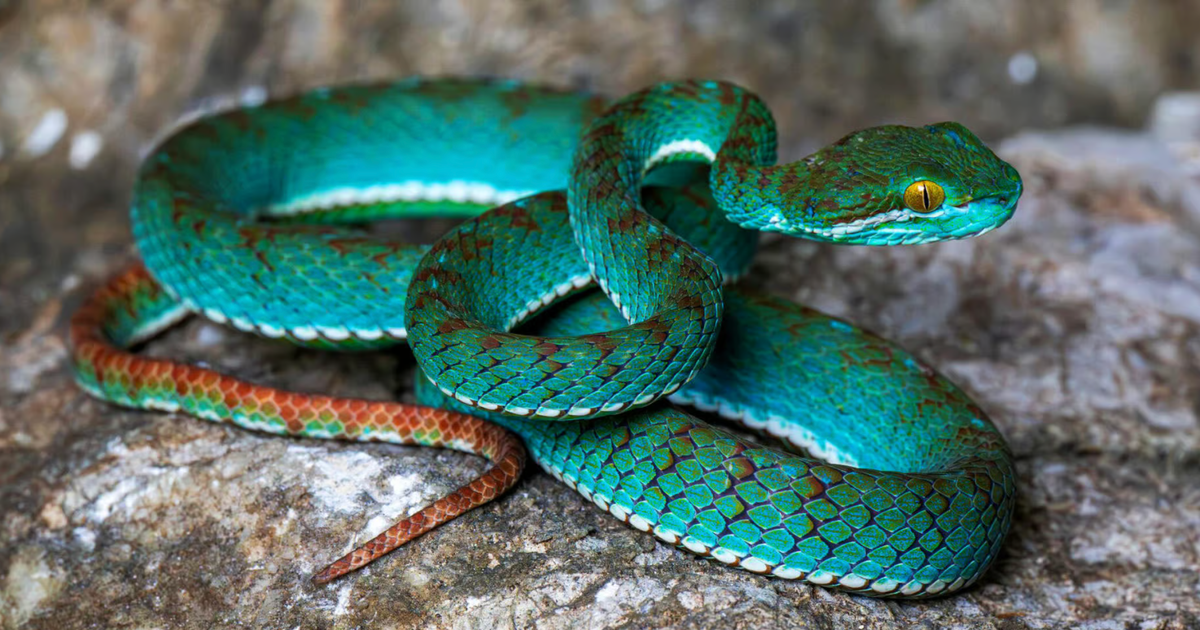
Researchers surveying more than 60 limestone caves across roughly 10 karst hills in Battambang province, western Cambodia, have documented multiple rare and previously undescribed species. The multi-year study (Nov 2023–Jul 2025), led by Fauna & Flora Cambodia with the country's ministry of environment and outside experts, involved physically entering tight, unexplored cave passages to inventory fauna. Among discoveries were a yet-to-be-formally-described fluorescent-turquoise pit viper (noted as highly venomous), cryptically camouflaged leaf-toed geckos, vividly colored (likely poisonous) millipedes, a reticulated python, and a bright green flying snake, along with various frogs and agamid lizards. Researchers emphasized that each karst hill acts as an isolated “island” of habitat producing unique, often endemic species. The study also highlighted urgent conservation concerns: karst habitats are among the least legally protected globally and face threats from quarrying for cement, unmanaged tourism, wildfires, logging and hunting. Organizers stress that habitat destruction risks driving species to extinction before they are even known to science.
Biblical Reflection
Scripturally, this story sits warmly within a theology of wonder and stewardship. The discovery provokes praise for God’s creativity (the variety and ingenuity of life) and calls Christians to humility—the natural world contains complexity beyond human design and understanding. At the same time, the report exposes a moral failing when short-term human industry and carelessness imperil living creatures and whole ecosystems. Biblical teaching does not give license for reckless exploitation; rather it calls humanity to tend and keep creation (responsible stewardship), protect the vulnerable, and act as caretakers for future generations (Genesis 2:15; Psalm 24:1). Practically, the researchers’ conservation aims align with Christian love for neighbor: preserving habitats safeguards livelihoods, cultural heritage, and the intrinsic value of life God made. The presence of venomous or frightening species should not harden us to their worth; fear can be balanced by discernment and careful stewardship. Finally, the story challenges the church to advocate for wise stewardship policies, to support scientific knowledge as a tool for care, and to repent where economic gain has damaged God’s good creation. In short: rejoice in God’s inventiveness, confess human damage, and work to protect what is entrusted to us.
Scripture in context
This outlook does not yet include contextual Scripture citations. Do not treat a general biblical theme as an exegetical conclusion.
Faithful Response
No prescribed response is offered. Consider the reflection prompts below in your own church context.
Reflection and Discussion
- 1How does the discovery of unique life in remote places deepen my sense of God’s creativity and my responsibility toward creation?
- 2Are there ways my community or church contributes to habits or policies that harm ecosystems, and what steps can we take to advocate for protection?
- 3When encountering creatures that make us afraid or uncomfortable, how can Christian love and stewardship shape our response?
Sources
Reporting links are evidence inputs; Sanctuary News' biblical reflection is commentary.
This outlook currently relies on fewer than two linked sources. Broaden verification before teaching from it.
- 1.Original reportprimary