News Summary
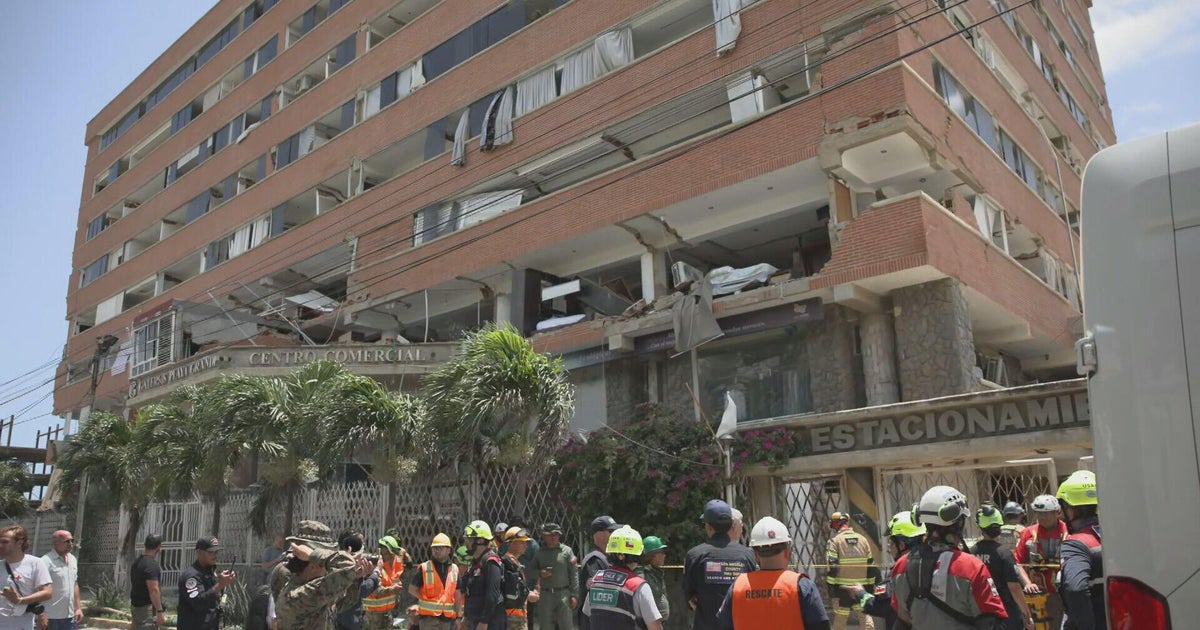
On June 24, 2026, two earthquakes of magnitude 7.5 and 7.2 struck northern Venezuela within a minute of each other. As of the report, the confirmed death toll exceeded 1,900 and the U.N. said tens of thousands were missing; about 1.8 million people (including nearly 700,000 children) were assessed as needing humanitarian assistance. NASA satellite analysis estimated nearly 59,000 buildings were likely damaged or destroyed across the affected region. The worst destruction is concentrated in La Guaira. International rescue teams, including U.S. task forces, have been working on search-and-rescue operations. Hernan Gil Flores, a 44-year-old security guard, has been trapped under a partially collapsed 10-story building in La Guaira for six days; rescuers believe he is inside a security booth in the underground parking garage, have made contact with him, and have delivered water. Rescuers are proceeding cautiously because nearby buildings are unstable. Venezuelan officials reported around 6,400 people rescued so far. Reports highlighted several recent rescues of infants and young children from rubble and noted many displaced residents living in tents or fleeing to Caracas.
Biblical Reflection
This coverage focuses on urgent human need and frontline rescue work, which rightly draws our attention and compassion. The article is largely factual — citing official casualty figures, UN needs assessments, and satellite damage estimates — but those numbers may change as rescue and assessment efforts continue, so discernment about evolving data is important. The human-interest framing (individual survivor stories, 'miracle' rescues) helps readers empathize, but can also unintentionally narrow attention to dramatic rescues while obscuring longer-term needs: shelter, food, medical care, rebuilding, and questions about infrastructure and disaster preparedness. From a Christian perspective, the story summons mercy, practical aid, and prayer: truth-telling about the scale of suffering, humility before the limits of human control, courage to assist, and a neighbor-love that moves beyond sympathy to sustained action. Be wary of voyeuristic consumption of suffering; let the news prompt informed generosity and advocacy for durable relief rather than only momentary attention.
Scripture in context
This outlook does not yet include contextual Scripture citations. Do not treat a general biblical theme as an exegetical conclusion.
Faithful Response
No prescribed response is offered. Consider the reflection prompts below in your own church context.
Reflection and Discussion
- 1Does the coverage center individual survival stories in a way that distracts from systemic questions about preparedness, infrastructure, and long-term aid needs?
- 2Which sources are being relied on for casualty and damage figures, and how might those numbers change as assessments continue?
- 3How does the narrative about international rescue teams shape our view of the host country's capacity and the global responsibility to sustain relief and reconstruction?
Sources
Reporting links are evidence inputs; Sanctuary News' biblical reflection is commentary.
This outlook currently relies on fewer than two linked sources. Broaden verification before teaching from it.
- 1.Original reportprimary