News Summary
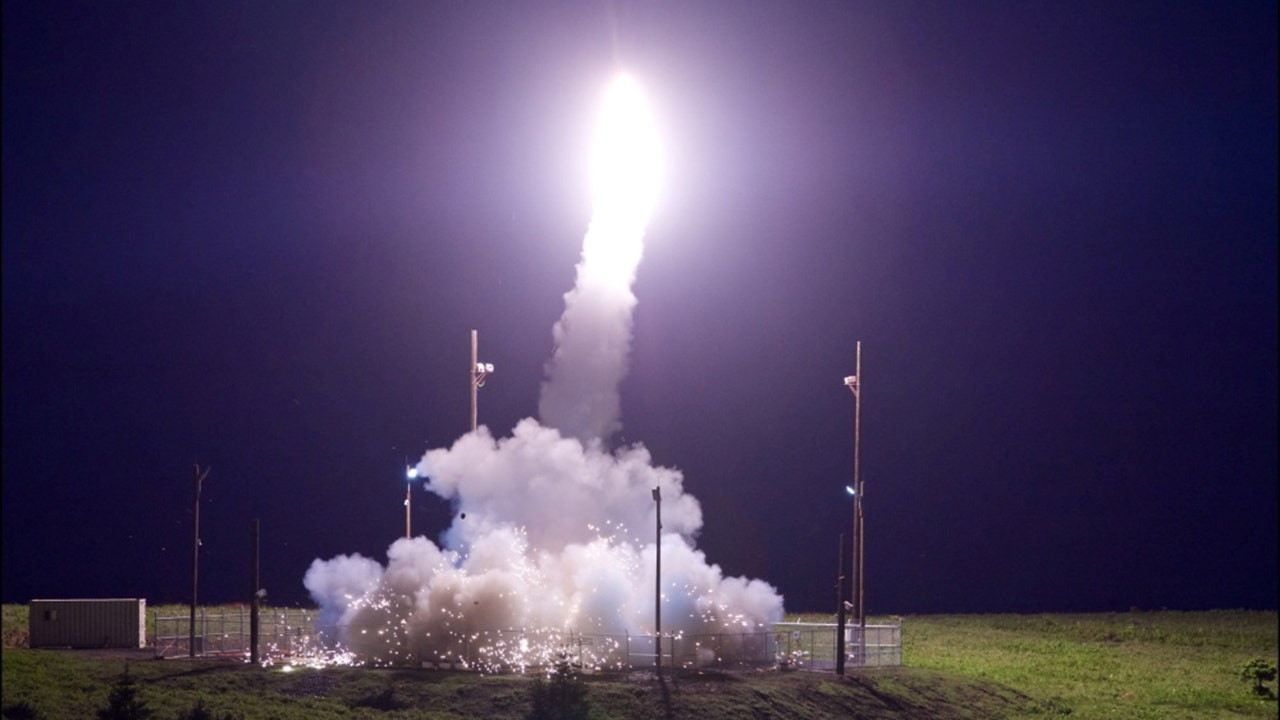
This Fox News opinion column by Hugh Hewitt argues that the top GOP priority should be quickly passing a “Reconciliation 3.0” package to fund President Trump’s roughly $1.5 trillion defense request and multiyear appropriations to rebuild U.S. and allied missile and munitions stockpiles. The author says recent combat with Iran revealed a shortfall in interceptors, munitions, and procurement processes, and that the U.S. must surge defensive capabilities for Israel, Gulf states, and Taiwan. The piece cites Dr. Eliot A. Cohen’s comment that U.S. procurement is not designed for serious warfighting and summarizes U.S. and Israeli strikes on Iran (including reference to “Operation Midnight Hammer”) and an asserted degradation of Iran’s defense-industrial base. Hewitt recommends expedited legislative action — bypassing regular order and using Senate leaders and senior senators to rush funding through — to double or triple defense procurement and address gaps through at least 2028. The column warns combat could resume if Iran does not meet disarmament expectations and names specific Senate and House leaders as actors to carry out the rapid funding push. The article includes the author’s bio and is explicitly opinion commentary.
Biblical Reflection
This piece is a partisan policy prescription grounded in national security concerns. It raises legitimate questions about munitions, procurement, and allied defense needs, but some operational figures and predictions are presented as facts without sourcing or independent verification. The article’s primary intention is to press a political solution—large, fast defense appropriations via reconciliation—framed as an urgent emergency. Read through a Christian lens by valuing truth-seeking and prudence: verify military and budget claims with independent sources, name the partisan aims shaping the recommendation, and question whether the rapid, large-scale solution it calls for sufficiently accounts for long-term stewardship, civility toward opponents, and the protection of noncombatants. Christians can affirm the need to protect the vulnerable and allies while also insisting on humility, accountability, careful use of public resources, and persistent pursuit of peaceful resolution where possible. The piece privileges a security-first worldview that treats military capacity as the primary remedy; a faith-shaped response asks how defense, diplomacy, and care for civilians should be balanced in ways that honor truth, justice, and neighbor-love.
Scripture in context
This outlook does not yet include contextual Scripture citations. Do not treat a general biblical theme as an exegetical conclusion.
Faithful Response
No prescribed response is offered. Consider the reflection prompts below in your own church context.
Reflection and Discussion
- 1Which claims about stockpiles, procurement failures, and battlefield outcomes are independently verified, and which are advocacy-driven assertions?
- 2How does the article’s partisan framing shape its policy prescription, and what would a balanced mix of defense, diplomacy, and humanitarian concern look like?
- 3If Congress moves rapidly on large military appropriations, how should Christians insist on oversight, accountability, and care for civilian consequences?
Sources
Reporting links are evidence inputs; Sanctuary News' biblical reflection is commentary.
This outlook currently relies on fewer than two linked sources. Broaden verification before teaching from it.
- 1.Original reportprimary