News Summary
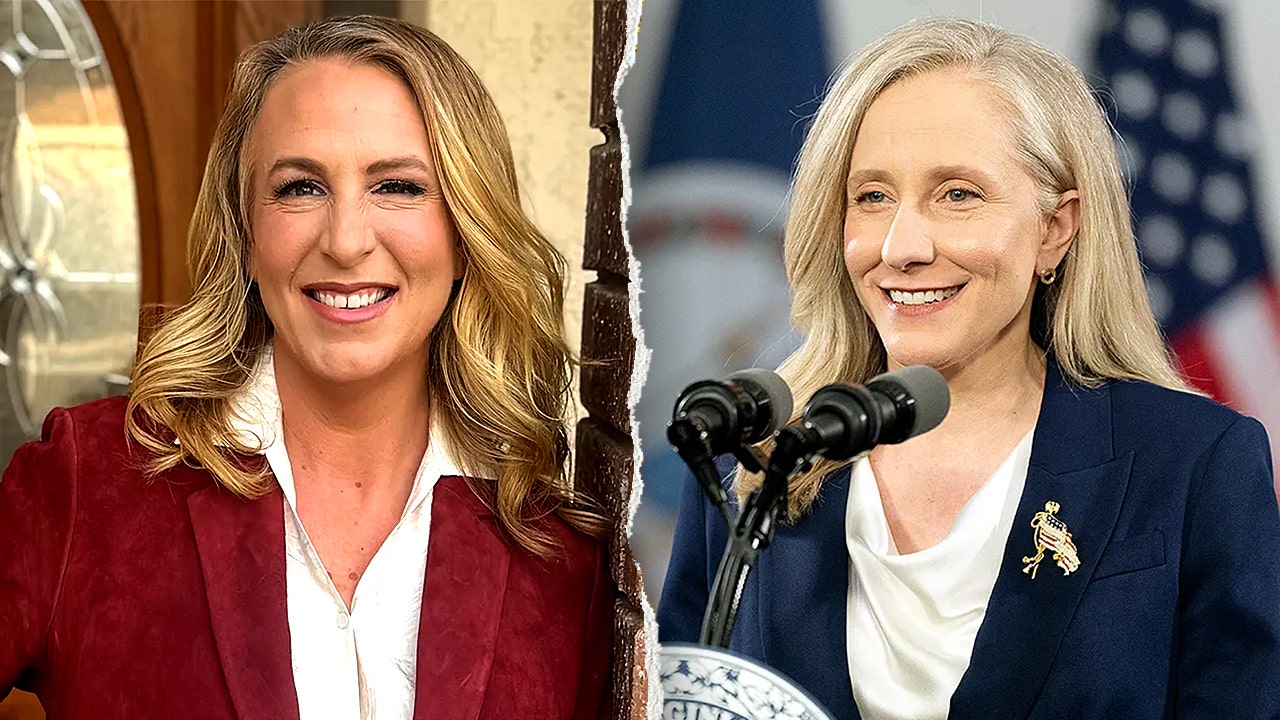
Republican Jenny Rae Le Roux announced a campaign for the U.S. House in California's 47th Congressional District, seeking to unseat Democratic Rep. Dave Min. The district in Orange County is a target for Republicans as they defend their narrow House majority in the 2026 midterms. Le Roux, an entrepreneur and longtime Republican activist who previously ran in California gubernatorial contests and now serves with the Cal DOGE initiative, says her campaign is motivated by dissatisfaction with state and federal policies—citing schools, crime, homelessness, and government waste. She framed Min as having run as a moderate but governing progressively. The article highlights that Le Roux is a second cousin of Virginia Gov. Abigail Spanberger; Le Roux praises Spanberger personally but criticizes her governance and uses their family connection to illustrate disagreements within families over politics. Le Roux emphasizes transparency, fiscal conservatism, and local control, and says COVID-era policies and California governance pushed her into politics. The piece notes the NRCC's interest in the district and mentions Le Roux is one of several Republican primary challengers.
Biblical Reflection
This story raises familiar biblical concerns about how political life intersects with family, truth-telling, and the call to public service. On one hand, public engagement and the pursuit of righteous policies that protect the vulnerable, promote justice, and steward public resources well can reflect biblical responsibility (see Micah 6:8; Proverbs on wise leadership). Le Roux’s desire to serve because she perceives brokenness in government is not inherently unchristian—public service can be a form of loving one’s neighbor.
On the other hand, the article shows how partisan labels, personal criticism, and the use of family ties for political messaging can deepen division. Scripture warns against slander, hasty speech, and sowing discord (James 3; Proverbs 18:21). Christians should be wary of reducing complex policy disagreements to character attacks or tribal wins. The emphasis on “flipping seats” and political advantage reminds us that political success is not the same as faithfulness; our ultimate allegiance is to Christ’s kingdom, which often calls for humility, peacemaking, and truth-speaking done in love (Ephesians 4:15).
Practically: evaluate rhetoric for honesty and charity; prioritize policies that protect the weak and promote the common good; resist demonizing those with whom you disagree—even relatives; and honor the biblical call to pray for leaders and seek the welfare of the places where you live. Finally, remember that good government is part of the Christian vocation but not an idol—Christlikeness matters more than partisan victory.
Scripture in context
This outlook does not yet include contextual Scripture citations. Do not treat a general biblical theme as an exegetical conclusion.
Faithful Response
No prescribed response is offered. Consider the reflection prompts below in your own church context.
Reflection and Discussion
- 1Where in my political speech or action might I be sacrificing charity for victory, and how could I speak truth more lovingly?
- 2How can I balance faithful civic engagement with preserving family relationships when politics divides?
- 3What concrete steps can I take to pray for and support leaders of differing views while advocating for justice and the common good?
Sources
Reporting links are evidence inputs; Sanctuary News' biblical reflection is commentary.
This outlook currently relies on fewer than two linked sources. Broaden verification before teaching from it.
- 1.Original reportprimary