News Summary
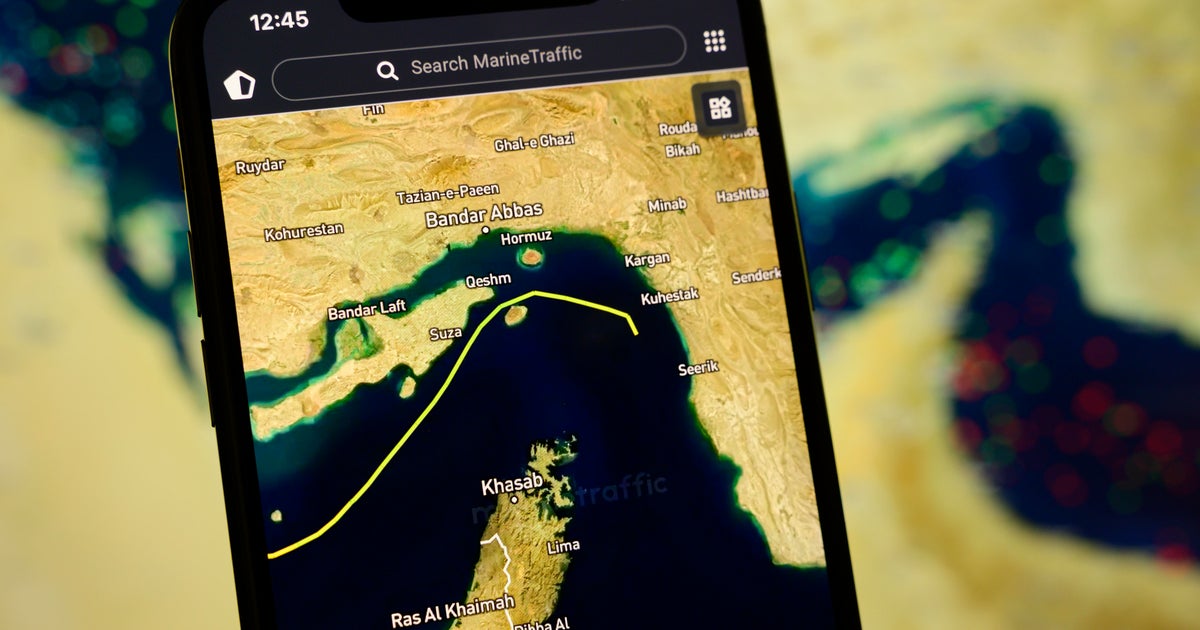
Analysts and media outlets report that Iran's Islamic Revolutionary Guard Corps (IRGC) has implemented de facto controls in the Strait of Hormuz, requiring vessels to submit documentation, obtain clearance codes, and accept IRGC-escorted passage through a single corridor. Lloyd's List Intelligence said at least two vessels have paid fees in Chinese yuan. Iran has not formally announced an official toll, but Tehran told Reuters it would consider charging a fee under a long-term peace deal to guarantee safe passage. The Financial Times quoted an Iranian energy-union spokesperson saying Tehran might seek about $1 per barrel, which shipping experts estimated could equal roughly $2 million per tanker. Analysts (Capital Economics, Rystad Energy, SGH Macro Advisors) told CBS News that a toll could increase geopolitical risk, keep a permanent risk premium on oil prices, and raise freight and insurance costs, though the marginal cost per barrel would be small relative to production costs in the Gulf. The strait normally carries about 20% of global oil and LNG flows; traffic has fallen from more than 100 ships per day to single-digit daily crossings recently. Global benchmark oil prices rose from about $65–$73 per barrel before the war began to just above $95 at the time of reporting. Some analysts emphasize that damage to Gulf oil and gas infrastructure would have a larger effect on prices than a tariff alone. The story also recorded a political reaction from former President Trump urging Iran not to impose tolls.
Biblical Reflection
From a Christian perspective, this episode highlights how control of strategic resources and chokepoints can be used as leverage in international affairs, with real consequences for ordinary people through higher energy costs and economic uncertainty. The reporting centers largely on market impacts and statements from Western analysts; that framing rightly surfaces practical consequences but can underplay regional security rationales Iran might assert or the broader humanitarian cost of escalation. Christians should note two moral concerns: (1) Using coercion or extortion to extract revenue or political concessions violates principles of justice and neighbor-love (it burdens distant consumers and vulnerable populations), and (2) the temptation to treat people and nations primarily as strategic assets or threats can harden hearts and escalate conflict. At the same time, beware of binary narratives that cast one side as purely villainous and the other as purely defensive—real-world motives are mixed, and accurate discernment requires careful sourcing and humility. Scripturally-rooted responses include seeking peace (diplomacy), pursuing justice for the vulnerable affected by economic shocks, and pressing leaders toward wise stewardship of resources. Pray for prudent diplomacy, transparent information, and for Christians to resist fear-driven nationalism while advocating for the protection of innocents.
Scripture in context
This outlook does not yet include contextual Scripture citations. Do not treat a general biblical theme as an exegetical conclusion.
Faithful Response
No prescribed response is offered. Consider the reflection prompts below in your own church context.
Reflection and Discussion
- 1Whose voices and data are centered in this coverage (market analysts, governments, insurers), and which regional or humanitarian perspectives are underrepresented?
- 2How might emphasizing economic and security risks without equal attention to diplomatic options shape public sentiment toward escalation rather than negotiation?
- 3If a strategic chokepoint is treated as a source of revenue or leverage, what are the likely effects on the poorest consumers and on the broader pursuit of justice?
Sources
Reporting links are evidence inputs; Sanctuary News' biblical reflection is commentary.
This outlook currently relies on fewer than two linked sources. Broaden verification before teaching from it.
- 1.Original reportprimary