News Summary
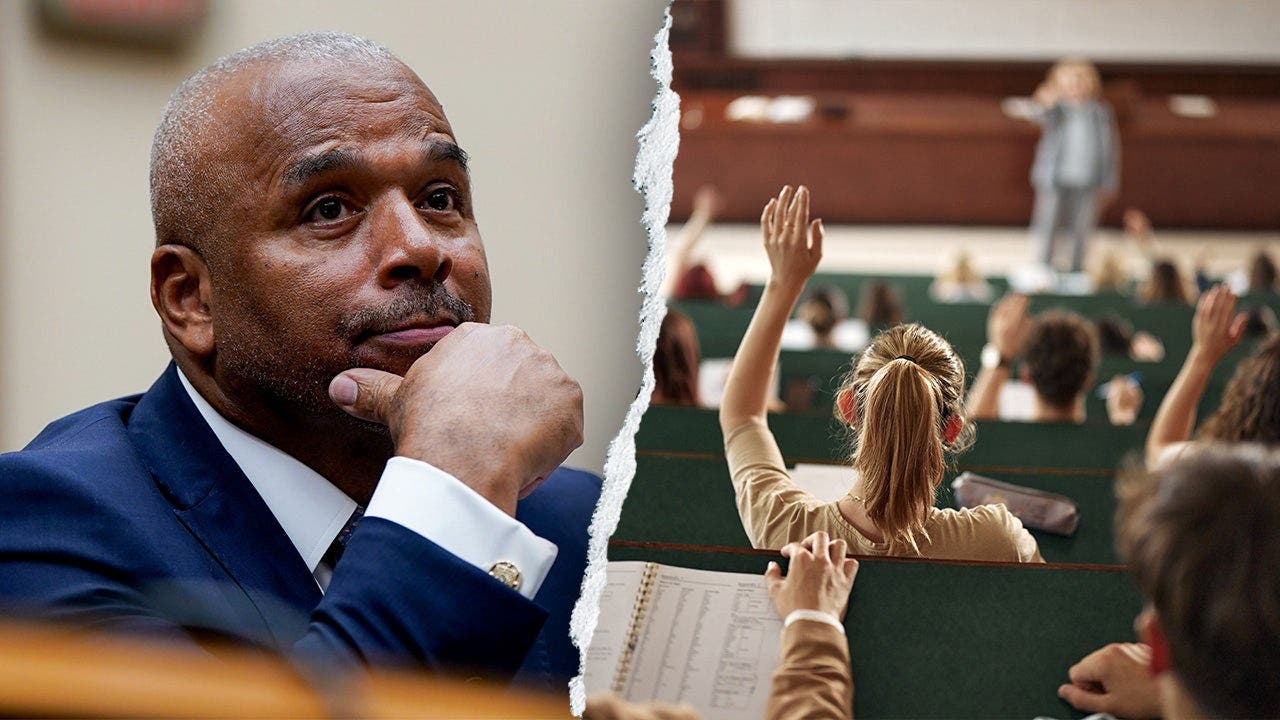
A Defending Education report reviewed 100 colleges of education and concluded that the Southern Poverty Law Center’s Learning for Justice materials, including its Social Justice Standards, are embedded in teacher-preparation programs across 38 states. The report found these materials present in required education courses, candidate handbooks, student-teacher evaluations, lesson-planning assignments, departmental frameworks and professional development. Specific institutions named include California State University, Sacramento; William & Mary; Western Washington University; Brandeis University; and the University of Maryland, which the report says incorporate the standards into coursework, evaluations, degree programs or state induction regulations. The report also identified NSF- and Department of Education–funded projects that reference Learning for Justice. Defending Education argues that use of these materials shapes what future teachers bring into K–12 classrooms and that some colleges do not publicly acknowledge the materials. The article notes escalating federal scrutiny of the SPLC, including an 11-count DOJ indictment alleging financial misconduct; SPLC leadership has denied wrongdoing. The U.S. Department of Education stated it does not mandate curriculum; a Maryland education official said the state sets standards but was unaware of local implementation of SPLC materials. Fox News sought comment from the SPLC and several universities.
Biblical Reflection
This story raises two separate but related concerns for Christian discernment: institutional influence on the formation of young teachers, and the fairness of public claims made about that influence. The report documents that Learning for Justice materials appear in many teacher-prep settings — a matter deserving transparency and public oversight because teacher education shapes classroom practice. At the same time, the article’s framing (terms like “radical” or “far-left”) and the source (a partisan news outlet reporting on a watchdog with its own stance) signal ideological lenses that should be accounted for when weighing conclusions. Christians should insist on truthfulness and fair process: verify whether materials are required or merely available, whether pre-service teachers are coerced to adopt particular political views, and whether claims are supported by clear evidence rather than rhetoric. We must also hold institutions accountable with humility and charity, protecting children’s flourishing and academic integrity while avoiding partisan scapegoating. Finally, the DOJ indictment against the SPLC is a serious legal matter; allegations should not be treated as settled fact until adjudicated. In short: demand transparency, protect students and teachers, pursue justice without malice, and resist simplifying complex educational influence into partisan talking points.
Scripture in context
This outlook does not yet include contextual Scripture citations. Do not treat a general biblical theme as an exegetical conclusion.
Faithful Response
No prescribed response is offered. Consider the reflection prompts below in your own church context.
Reflection and Discussion
- 1Does the presence of curricular materials in program documents equal coercive instruction, or is there a distinction between required content and available resources?
- 2Who benefits from publicizing this report and how might the ideological perspectives of the watchdog, the news outlet, or critics shape the narrative?
- 3How should Christians weigh allegations in a legal case and concurrent policy criticisms while practicing both justice and mercy?
Sources
Reporting links are evidence inputs; Sanctuary News' biblical reflection is commentary.
This outlook currently relies on fewer than two linked sources. Broaden verification before teaching from it.
- 1.Original reportprimary