News Summary
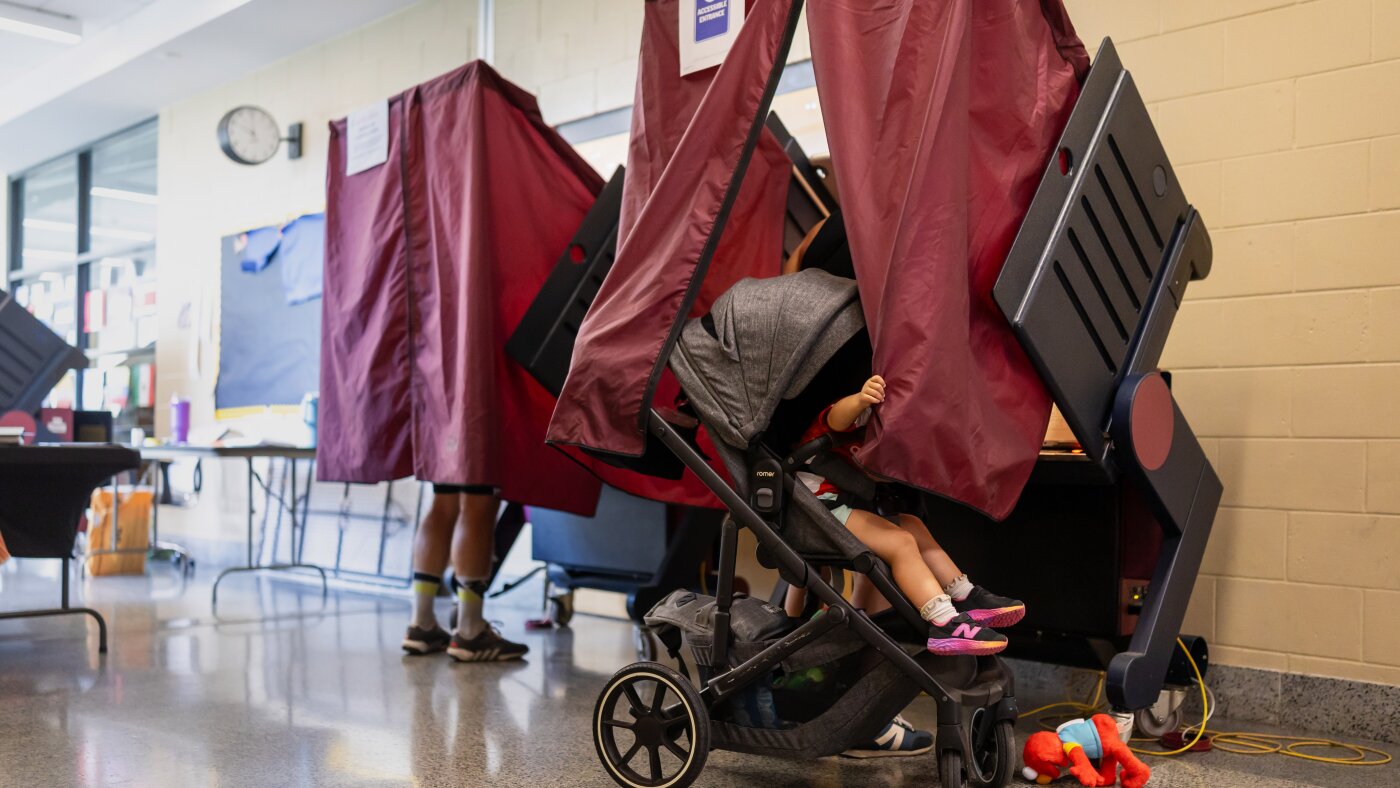
A Bipartisan Policy Center (BPC) report, shared with NPR, finds that without substantial federal funding it could take decades for U.S. jurisdictions to replace aging voting equipment with systems certified to the Voluntary Voting System Guidelines 2.0 (VVSG 2.0). The report estimates the average age of voting equipment in the U.S. will be about 9.3 years by the next presidential election; historically jurisdictions often replace equipment around that age. VVSG 2.0, now considered best practice, requires, among other things, auditable paper records. Some manufacturers have begun offering equipment meeting VVSG 2.0. The BPC estimates a nationwide replacement to VVSG 2.0 would cost roughly $2.71 billion and that, given current procurement timelines and limited federal funding, the standards may not be ubiquitous until the 2040s. The article cites Louisiana election officials who report decades-old machines and difficulty obtaining replacement parts, and notes decentralized U.S. election administration means states and counties purchase equipment on their own schedules. The piece also notes federal funding for elections has fallen in recent years (about $60 million over the past two years versus more than $800 million before 2020) and that Congress has previously made large appropriations for election infrastructure (more than $3 billion after 2000).
Biblical Reflection
From a Christian perspective this article raises stewardship and neighbor-love questions about how we care for public goods that protect the common good. The reporting is largely factual and sourced to a policy center, state officials, and procurement history; its central claim—that funding and decentralization slow nationwide equipment upgrades—is plausible and transparently presented as an estimate rather than a certainty. Potential blind spots include underemphasizing other nonfinancial barriers (procurement rules, training, political disputes) and the risk that mentioning presidential directives or partisan actors can make a technical issue feel politicized. Christians should value truthful civic information and be wary of alarmist or partisan framing that heightens fear or distrust. Practically, ensuring accessible, reliable, and secure voting is an expression of love for neighbor and justice: it protects the vulnerable who may be most impacted by malfunctioning equipment and preserves a peaceful civic order. The church can pray for wise, collaborative leadership across local and national levels, advocate for prudent stewardship of public resources, and encourage patience coupled with civic engagement rather than cynicism.
Scripture in context
This outlook does not yet include contextual Scripture citations. Do not treat a general biblical theme as an exegetical conclusion.
Faithful Response
No prescribed response is offered. Consider the reflection prompts below in your own church context.
Reflection and Discussion
- 1Are we treating the timeline and cost estimates as fixed facts or as projections that depend on political choices and priorities?
- 2How does the article’s emphasis on funding shape our view of responsibility between federal and local leaders, and does that emphasis obscure nonfinancial barriers like procurement complexity or political will?
- 3In what ways does securing trustworthy voting infrastructure serve the vulnerable and uphold the common good, and how should that shape Christian engagement with the issue?
Sources
Reporting links are evidence inputs; Sanctuary News' biblical reflection is commentary.
This outlook currently relies on fewer than two linked sources. Broaden verification before teaching from it.
- 1.Original reportprimary