News Summary
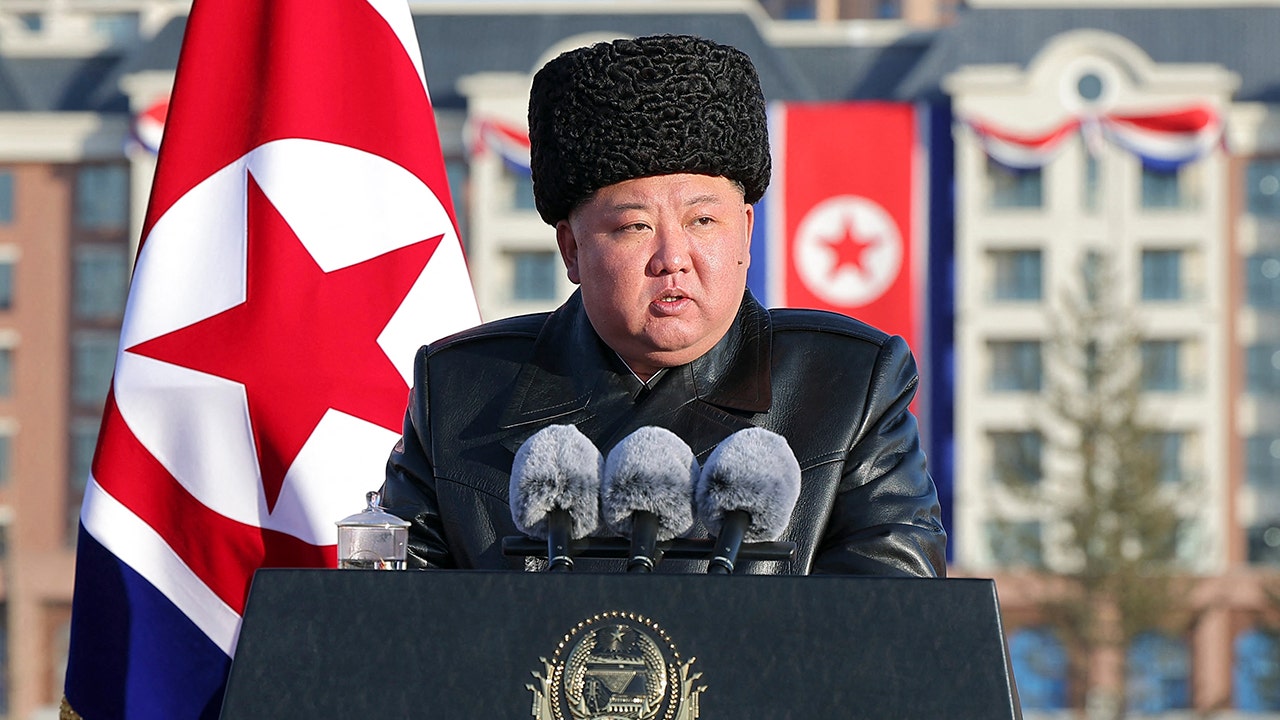
Multiple outlets report that North Korea updated its constitution to include a provision obligating immediate nuclear retaliation if the country's leadership or its nuclear command-and-control is incapacitated or assassinated. The change was reported to have been approved during a session of the Supreme People's Assembly that opened March 22 in Pyongyang. South Korea's National Intelligence Service briefed government officials about the revision. The reported provision states that if the state’s nuclear force command-and-control is endangered by hostile attacks, a nuclear strike shall be launched "automatically and immediately." The article connects this revision to heightened regional tensions following the killing of Iran’s Supreme Leader in a separate strike (as reported by other outlets) and notes recent North Korean missile tests and Kim Jong Un's stated intent to strengthen nuclear capabilities and maintain a hard-line posture toward South Korea and the United States. The reporting cites The Telegraph and Fox News; it also references prior Reuters coverage that North Korea revised other constitutional language regarding territory and reunification.
Biblical Reflection
From a Christian perspective, this report highlights how modern geopolitics can institutionalize fear and retaliation. Scripture affirms that rulers have a role in maintaining order (e.g., Romans 13), yet it also calls believers to reject personal vengeance and to value human life. A constitutional guarantee of automatic nuclear retaliation elevates state security and deterrence above discernment and restraint, risking catastrophic harm to innocents if implemented. The media framing in the article leans into alarm and linkage with other violent events to emphasize threat; readers should note reliance on intelligence briefings and secondary reporting—claims should be treated as reported assessments rather than settled fact until verified by multiple primary sources. Spiritually, Christians are called to pray for rulers and for peace (1 Timothy 2:1–2), to seek justice without celebrating violence, and to resist binary thinking that dehumanizes adversaries. The article reveals a worldview that prioritizes survival through overwhelming force and leader-centered security; Scripture instead urges trust in God, prudent stewardship of power, and care for the vulnerable. That said, the reality of armed conflict and the moral complexity of national defense mean Christians should balance concern for peace with the responsibility to seek justice and protect life, advocating for policies that minimize harm and open paths to reconciliation.
Scripture in context
This outlook does not yet include contextual Scripture citations. Do not treat a general biblical theme as an exegetical conclusion.
Faithful Response
No prescribed response is offered. Consider the reflection prompts below in your own church context.
Reflection and Discussion
- 1What assumptions about security and human nature are embedded in a policy that institutionalizes immediate retaliation, and how do those assumptions align or conflict with biblical teachings about justice and restraint?
- 2How might the media's selection of context (linking this constitutional change to other violent events) shape our perception of threat, and what evidence should we seek before accepting the policy as an established fact?
- 3If a state enshrines automatic retaliation, what are the likely consequences for innocent civilians and for future opportunities for diplomacy and reconciliation?
Sources
Reporting links are evidence inputs; Sanctuary News' biblical reflection is commentary.
This outlook currently relies on fewer than two linked sources. Broaden verification before teaching from it.
- 1.Original reportprimary