News Summary
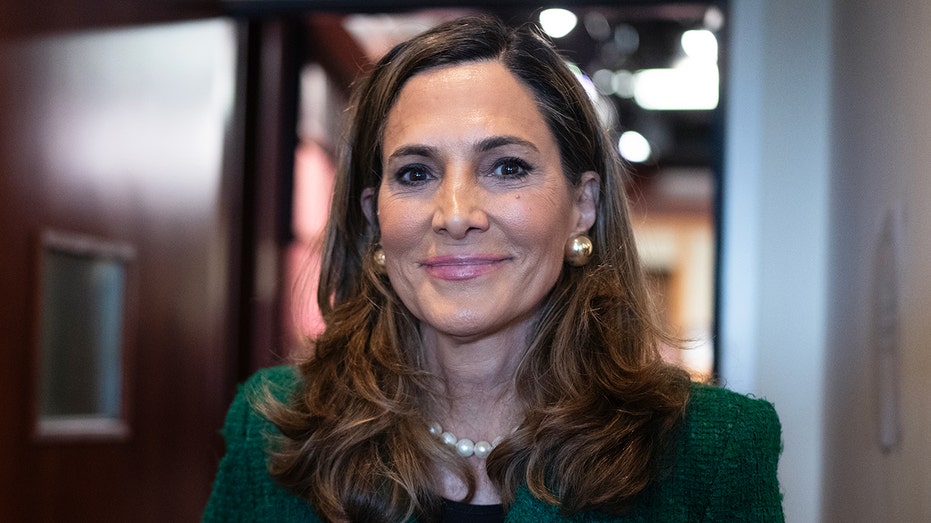
Reported facts: Fox News cites a post on X by Rep. María Elvira Salazar criticizing Nicaraguan President Daniel Ortega and quoting her phrase, “After Cuba, Nicaragua is next.” Attributed claims: the article attributes the quote and criticism to Salazar’s post. Uncertainties: the piece provides no context about whether this reflects an official U.S. policy stance, what actions (if any) Salazar advocates, the timing or intended meaning of “is next,” or any response from Nicaraguan officials or U.S. government representatives.
Source and Framing Analysis
The report is a short political item that quotes a public figure on social media without added context. The framing centers the quote as a declaration but does not clarify whether it was rhetorical, predictive, or a call to action. Material uncertainties include the lack of surrounding text from the X post, absence of policy detail, and no corroboration from other sources or official channels—factors that affect how readers should interpret the seriousness and intent behind the statement.
Biblical Reflection
This short report captures a political statement by a U.S. member of Congress expressing strong opposition to the Ortega government. The phrase is a political judgment and rhetorical warning, not evidence of official U.S. policy or imminent action. Christians should note that public leaders often use forceful language to call attention to oppression and human-rights abuses; such rhetoric can rally support for justice but also risks escalating tensions.
Viewed biblically, Christians are called both to speak for the oppressed and to pursue peace. We should mourn injustice in nations where leaders persecute opponents, pray for victims, and advocate for nonviolent, justice-oriented responses. At the same time, we must avoid unreflective cheering for conflict or destabilizing rhetoric; Christ’s way generally seeks restoration, restraint, and protecting the vulnerable rather than triumphalism.
Practically, this report is a piece of public rhetoric: evaluate it as a moral stance rather than a policy announcement. Seek more information before concluding about likely consequences or endorsing any particular course of action. Keep care for the vulnerable and pursuit of truth at the center of our responses.
Scripture in context
- 1Matthew 5:9 (peacemaking) and Romans 12:17-21 (not repaying evil) — Matthew 5:9 is part of the Sermon on the Mount, where Jesus describes the character of those belonging to God’s kingdom; peacemakers are promised to be called 'children of God.' Romans 12 offers ethical instruction to Christians living among hostile peoples, urging non-retaliation and leaving room for God’s justice rather than taking vengeance into one’s own hands. — These passages call Christians to pursue peace and justice together — to oppose evil and defend the vulnerable without celebrating conflict or revenge. When public leaders use combative rhetoric, Christians should weigh how that language promotes justice or escalates harm and choose responses that seek restoration and protection for the oppressed.
Faithful Response
Pray for victims of repression in Nicaragua and for wisdom for U.S. and Nicaraguan leaders.
Seek reliable, multi-source information before drawing conclusions about policy or likely outcomes.
Advocate for nonviolent measures that protect human rights (diplomatic pressure, targeted sanctions tied to clear benchmarks, support for refugees), and support humanitarian aid to those harmed.
Maintain humility in public conversation: challenge injustice but resist rhetoric that revels in others’ downfall.
Reflection and Discussion
- 1When a public figure issues a sharp warning about another country, what filters should a Christian apply to separate moral concern from political posturing?
- 2How can our commitment to truth and mercy shape responses to international injustice without enabling further harm?
- 3What responsibilities do Christians have to those directly affected by foreign reprisals or conflict that may follow heated rhetoric?
Sources
Reporting links are evidence inputs; Sanctuary News' biblical reflection is commentary.
This outlook currently relies on fewer than two linked sources. Broaden verification before teaching from it.
Download source notes