News Summary
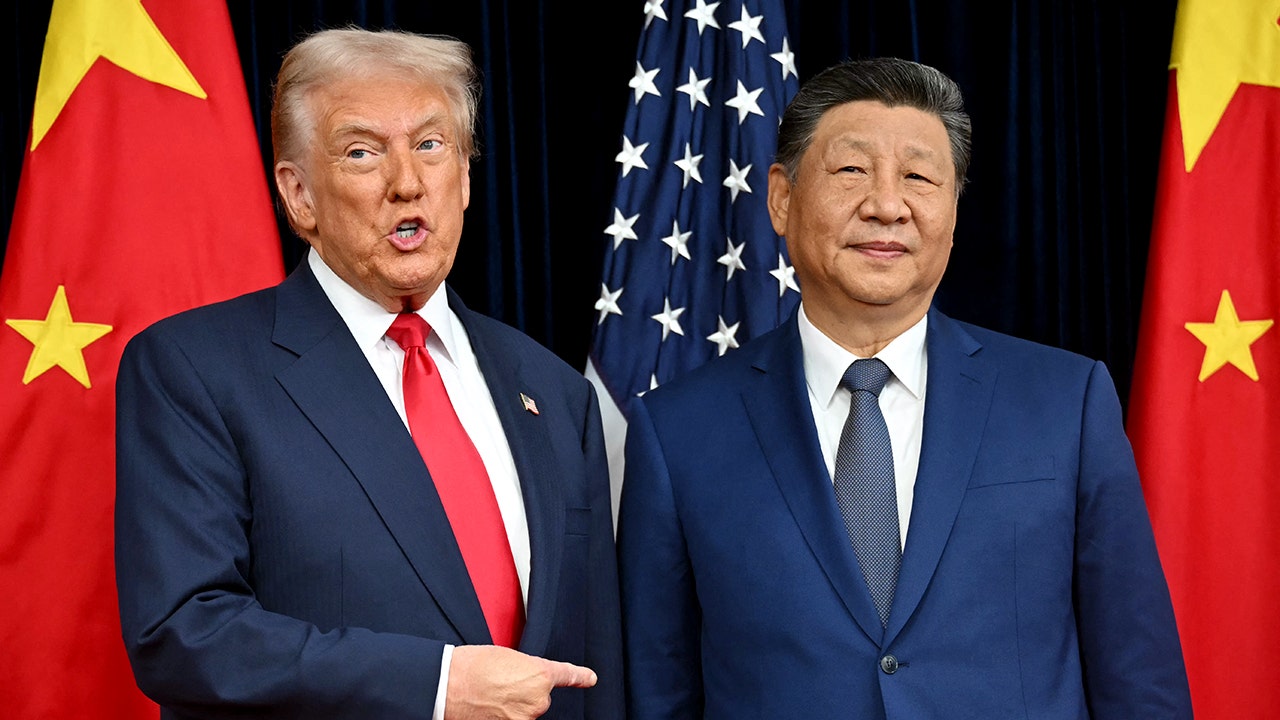
This is an opinion piece by Rep. Ro Khanna published on Fox News arguing that President Donald Trump's trade and foreign policies have harmed American workers, manufacturers, farmers and allied coalitions while failing to correct unfair Chinese economic practices. Key factual claims made in the article: President Trump will visit Beijing in May; the author says the administration's tariff policy was ruled unlawful by the U.S. Supreme Court; the U.S. global goods trade deficit rose to $1.23 trillion last year (article's figure) while China’s global trade surplus rose to about $1.2 trillion in 2025 from $992 billion in 2024 (article figures); Khanna asserts that U.S. manufacturing has lost roughly 100,000 jobs and manufacturing construction declined 12% since Trump returned to office (per the article); U.S. farmers lost over $14 billion in sales to China and faced more than $4 billion in higher input costs, and Chinese soybean purchases from the U.S. fell sharply (article gives 7.4 tons vs. 26.8 million tons in 2024); Khanna also criticizes policy decisions including suspension of certain fees on Chinese ships, cuts to offshore wind support that affected ship orders, and delays or changes in arms sales to Taiwan. The author recommends pressing China for market-oriented reforms, human-rights protections, and an end to unfair practices (subsidies, dumping, IP theft, forced labor); he proposes reviewing China’s permanent normal trade relations status, imposing antidumping and countervailing duties and targeted tariffs, and investing tariff revenue in domestic manufacturing. The piece links concerns about tariffs and trade policy to national security risks in the Indo-Pacific and warns against escalation over Taiwan. The article is an opinion/editorial arguing policy prescriptions and containing numerous asserted data points and causal claims.
Biblical Reflection
From a Christian perspective, this piece raises several morally significant concerns that merit careful discernment. Positively, the author is advocating for the welfare of workers, farmers, and communities—matters Bible teaching repeatedly lifts up (care for the poor, just treatment of labor). Calls for truth, fairness in trade, and protection of vulnerable workers (including opposition to forced labor) align with biblical commitments to justice (e.g., defending the oppressed). At the same time, the article is a partisan opinion that mixes empirical claims, policy interpretation, and political critique. Christians should note: (1) opinion pieces often select facts and framings that support a political aim; some numerical claims in the piece appear inconsistent (for example the soybean figures) or depend on contested causal links between policy and economic outcomes. (2) The rhetoric frames geopolitical strategy primarily as competition and threat; Scripture urges prudent vigilance but also calls for peacemaking (Matthew 5:9) and wise stewardship of resources. Christians are called to seek truth and to resist fear-driven polarization. Evaluate policy proposals by whether they pursue justice for the vulnerable, stewardship of common goods, and peaceable conduct among nations. Finally, pray for leaders to pursue policies that balance national security, economic flourishing, and neighborly love rather than acting from pride, partisan point-scoring, or short-term gain. Be careful not to let partisan loyalties replace commitments to probity, compassion, and wise counsel.
Scripture in context
This outlook does not yet include contextual Scripture citations. Do not treat a general biblical theme as an exegetical conclusion.
Faithful Response
No prescribed response is offered. Consider the reflection prompts below in your own church context.
Reflection and Discussion
- 1Which empirical claims in the piece rely on contested data or causal assumptions, and how would the policy recommendation change if those assumptions are examined closely?
- 2How does the op-ed’s framing (competition, blame, urgency) encourage particular emotional responses, and does that framing help or hinder prudent, compassionate policymaking?
- 3Are the proposed trade and security measures consistent with pursuing justice for vulnerable workers and peaceable relations between nations, or do they risk causing harm that must be mitigated?
Sources
Reporting links are evidence inputs; Sanctuary News' biblical reflection is commentary.
This outlook currently relies on fewer than two linked sources. Broaden verification before teaching from it.
- 1.Original reportprimary