News Summary
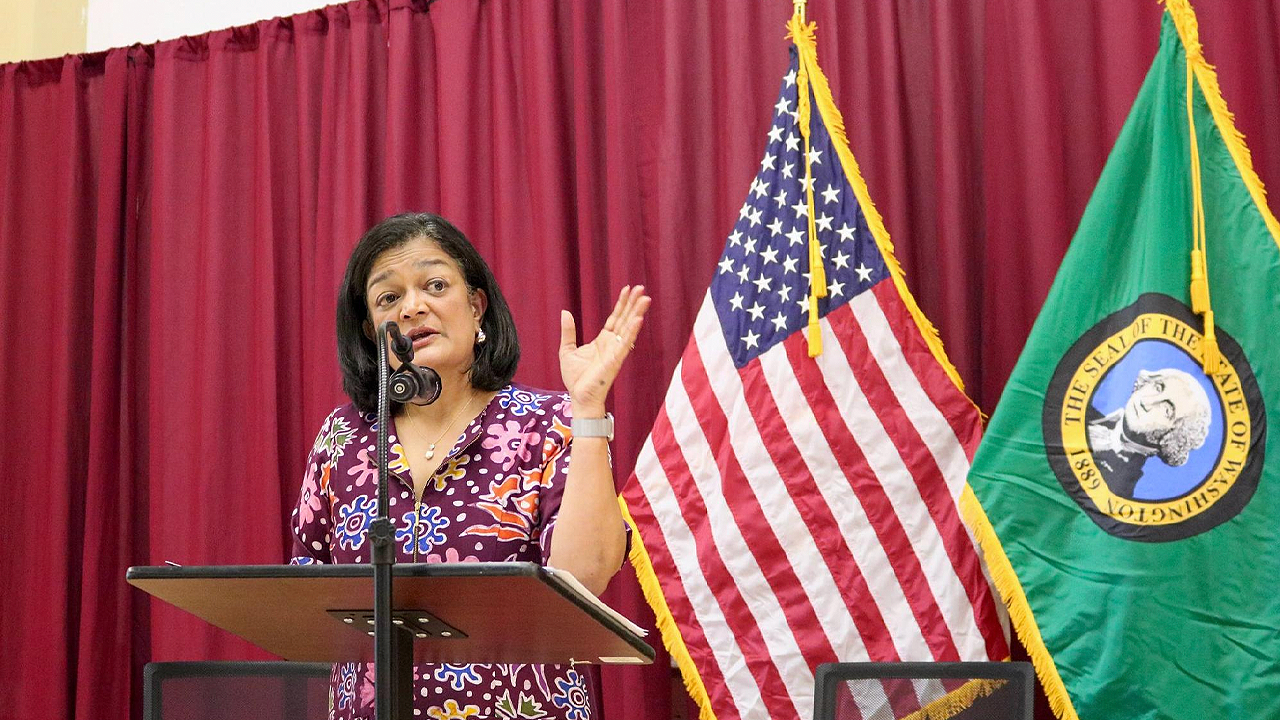
Rep. Pramila Jayapal (D-Wash.) said at a Seattle briefing after a congressional delegation trip to Cuba that she had been "in conversations with the ambassadors from Mexico and some other places ... trying to figure out how to get oil there," referring to Cuba's worsening fuel shortages. Jayapal described U.S. restrictions on Cuba as "economic bombing of the infrastructure," called the humanitarian situation on the island a crisis, and said she has called for lifting the U.S. embargo and removing Cuba from the State Sponsors of Terrorism list. Video of her remarks circulated on social media and drew criticism from conservative commentators and some lawmakers, who raised legal concerns and invoked statutes such as the Logan Act. Legal commentators cited in the article said prosecutions under the Logan Act are extremely rare and that criminal exposure would depend on whether a lawmaker took actions that violated sanctions. Fox News reported the backlash and quoted critics; the article notes there have been no public investigations or charges tied to Jayapal's remarks and that Jayapal defended meeting with foreign ambassadors as routine congressional engagement.
Biblical Reflection
From a Christian perspective, this story raises two legitimate and tension-filled concerns: compassion for people suffering under shortages, and respect for the rule of law and national responsibilities. Scripture calls God’s people to care for the needy and to speak up for the vulnerable (e.g., Isaiah 1:17, James 1:27). At the same time, Romans 13 and the Bible’s teaching about order call Christians to respect lawful authority and to avoid actions that would undermine legal processes or national security. The article and surrounding coverage show political polarization: the reporting amplifies critical reactions and legal alarm from conservative voices while also recording Jayapal’s humanitarian framing. That mix can encourage readers either to quickly demonize a political opponent or to excuse potential legal overreach in the name of compassion. Christians should resist both extremes. Compassion for suffering people does not remove the need for clarity about means, legality, and oversight. When public officials engage foreign actors, questions about intent, authority, and method matter morally and legally. Evaluate claims carefully: was Jayapal advocating for lawful humanitarian relief and policy change, or discussing actions that would intentionally circumvent U.S. law? The coverage leans toward a law-and-order frame by foregrounding conservative outrage, but it also records Jayapal’s stated aim of highlighting humanitarian harm. Pray for transparency, accountability, and wise policy that both alleviates suffering and preserves lawful governance.
Scripture in context
This outlook does not yet include contextual Scripture citations. Do not treat a general biblical theme as an exegetical conclusion.
Faithful Response
No prescribed response is offered. Consider the reflection prompts below in your own church context.
Reflection and Discussion
- 1Does the reporting distinguish clearly between advocacy for humanitarian relief and actions that would violate U.S. law? If not, what assumptions fill the gap?
- 2How should Christians weigh the duty to relieve human suffering against the obligation to uphold legitimate legal and national-security processes?
- 3What rhetorical cues (choice of sources, placement of criticism, language like "conspiring" or "treason") are influencing your emotional response to this story?
Sources
Reporting links are evidence inputs; Sanctuary News' biblical reflection is commentary.
This outlook currently relies on fewer than two linked sources. Broaden verification before teaching from it.
- 1.Original reportprimary