News Summary
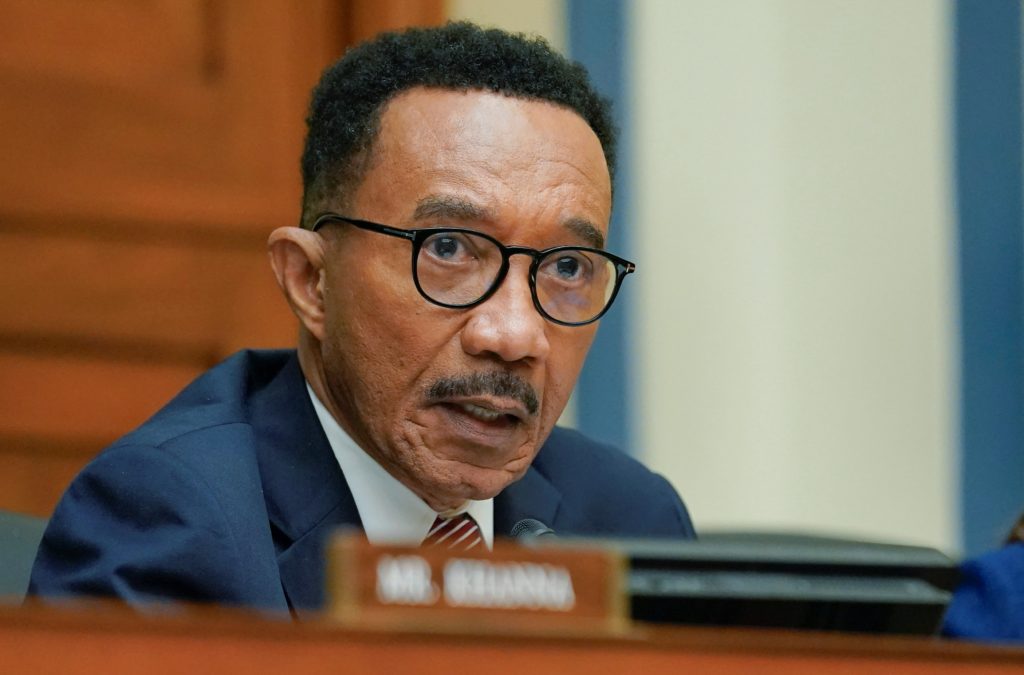
Reported facts: PBS NewsHour published video coverage of Rep. Kweisi Mfume saying on Tuesday that he and others would not allow the erasure of Black history from Smithsonian museums, including the quoted lines: “If you erase it, we will replace it,” and “We will not let you destroy that museum. No matter how long it takes, how many battles are required, how much effort is needed, we will not allow that to happen.” Attributed claims: the article attributes the quoted statements directly to Rep. Mfume. Uncertainties: the article does not identify what specific action, proposal, or actor Mfume was responding to, whether any formal threat to Smithsonian exhibits exists, or the positions of other stakeholders.
Source and Framing Analysis
The piece is a short item centered on a single lawmaker’s quoted remarks; it lacks background detail about the trigger for the remarks, specific museum or exhibit names, any policy proposals, or reactions from the Smithsonian or other officials. That omission creates material uncertainty: readers cannot assess whether Mfume’s comments responded to an imminent institutional decision, a political proposal, rhetorical criticism, or broader cultural debate. The framing focuses on the defense of Black history and the lawmaker’s rhetoric rather than on documentary evidence about the alleged threat.
Biblical Reflection
Rep. Mfume’s public vow to replace erased history reflects a passionate stand for remembering and honoring Black contributions to the nation—exactly the kind of witness Christians should support when it defends truth and the dignity of neighbors. The Bible calls God’s people to speak up for those whose stories are ignored or silenced; preserving reliable public memory helps maintain social justice and communal identity.
However, Christian charity also asks us to check the facts, avoid hyperbole, and pursue reconciliation where possible. Strong rhetoric can rally needed attention, but it can also entrench opposing parties and obscure practical routes to protection, funding, or exhibition. Christians should encourage both bold advocacy for the vulnerable and painstaking, patient work to document, preserve, and teach history accurately.
Practically, this means supporting museums and archives that responsibly curate Black history, investing in educational programs that broaden public understanding, and engaging in civic processes—public comment, meetings, and legislative oversight—when policies threaten institutional integrity. Above all, Christian engagement should aim to witness love and truth together: defend what is right while remaining open to dialogue that builds common ground and honors human dignity.
Scripture in context
- 1Proverbs 31:8-9 — In a collection of sayings attributed to Solomon, this passage counsels speaking up for those who cannot defend themselves and upholding the rights of the poor and needy within the community legal and moral order. — The passage supports the moral responsibility to defend marginalized voices and their place in public memory; Christians can see preserving truthful history as part of advocating for the dignity and rights of the overlooked.
Faithful Response
Learn: Read trustworthy materials about Black history and museum collections to understand what is at stake before acting.
Pray and listen: Ask God for discernment and seek out voices from the communities whose history is concerned.
Support institutions: Donate time or money to museums and archives that preserve marginalized histories and that demonstrate transparent stewardship.
Engage civically: If policy changes are proposed, participate in public comment, contact representatives, or attend hearings to advocate for preservation grounded in facts and Christian love.
Reflection and Discussion
- 1In what ways does defending collective memory reflect the Christian call to seek justice and care for the vulnerable?
- 2How should Christians weigh bold public advocacy against the need for patient, fact-based work that preserves institutions and relationships?
- 3Are there ways our language and tactics could better invite constructive stewardship of historical truth rather than increase polarization?
Sources
Reporting links are evidence inputs; Sanctuary News' biblical reflection is commentary.
This outlook currently relies on fewer than two linked sources. Broaden verification before teaching from it.
- 1.WATCH: 'If you erase it, we will replace it,' Rep. Mfume says of Black history at Smithsonian museumsprimary_reporting