News Summary
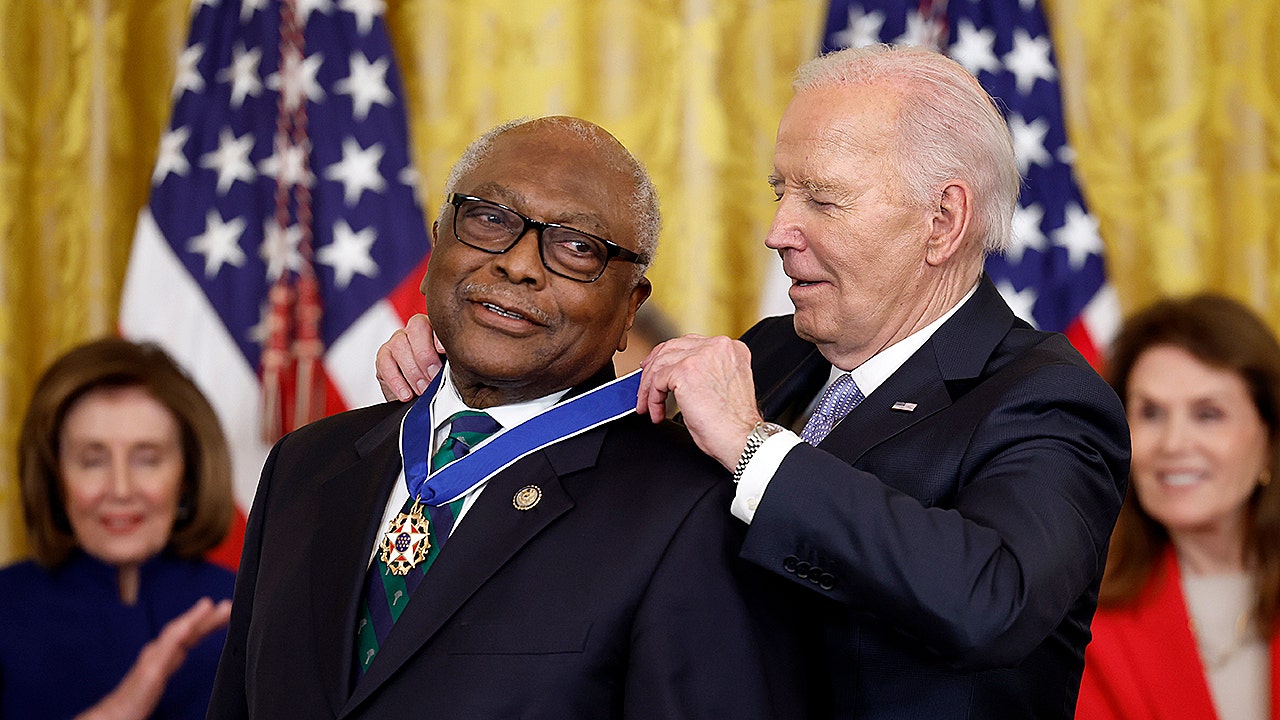
South Carolina’s state House voted to consider redrawing the state’s congressional map. The proposed redraw would target Rep. Jim Clyburn’s district, which is currently the state’s only Democratic U.S. House district. Clyburn criticized the effort on social media and in interviews, warning Republicans to “be very careful what you pray for” and saying he expects to win re-election while suggesting the effort could produce unintended results, including the possibility of more Democrats being elected in the state. The legislature’s action follows the U.S. Supreme Court’s 6-3 decision in Louisiana v. Callais, which put stricter limits on creating districts principally on the basis of race and has led some states to revisit minority-majority districts. A South Carolina House subcommittee voted 3-2 to advance legislation to move the June primary to August to allow more time for redrawing maps; election officials noted absentee ballots have already been mailed to military and overseas voters. State officials estimated moving the primary would cost roughly $2.2–$2.5 million, and lawmakers discussed budgeting for potential litigation costs. South Carolina Republican leaders have signaled an intent to redraw maps in ways that could flip the state’s delegation; supporters say the change responds to the Court’s ruling, while critics call it an attempt to eliminate the state’s lone Democratic district.
Biblical Reflection
From a Christian perspective, this story highlights tensions between political strategy, legal authority, and civic justice. Redistricting is a lawful tool used by states to reflect changed legal standards and population shifts, but it is also frequently used for partisan advantage. The article frames the conflict largely as a partisan contest—Republicans seeking to redraw lines and a prominent Democrat warning of backfire—so readers should note the political motives on all sides. Christians should evaluate both the means and ends: whether actions respect the rule of law, preserve fair access to representation, and protect the dignity of minority communities, or whether they primarily serve partisan power. Scripture calls believers to seek justice, love mercy, and act with humility (Micah 6:8); that requires skepticism of zero-sum political narratives and a desire for processes that secure voting rights and public trust. Watch for framing that personalizes a systemic issue (focusing on Clyburn as a “kingmaker”) rather than naming structural trade-offs—such framing can inflame tribal loyalties and obscure legitimate legal questions about race-conscious districting. In short: be wary of partisan spin, hold both political actors and courts accountable to principles of fairness and rule of law, and pray for civic leaders to pursue outcomes that protect representation and the common good.
Scripture in context
This outlook does not yet include contextual Scripture citations. Do not treat a general biblical theme as an exegetical conclusion.
Faithful Response
No prescribed response is offered. Consider the reflection prompts below in your own church context.
Reflection and Discussion
- 1Who benefits and who is disadvantaged by this redistricting proposal, and how does the article present those stakes?
- 2Does the coverage emphasize individual political actors or the structural legal and ethical questions about representation and race-conscious districts?
- 3How should Christians weigh competing commitments to legal equal protection, protection of minority political voice, and the integrity of democratic processes?
Sources
Reporting links are evidence inputs; Sanctuary News' biblical reflection is commentary.
This outlook currently relies on fewer than two linked sources. Broaden verification before teaching from it.
- 1.Original reportprimary