News Summary
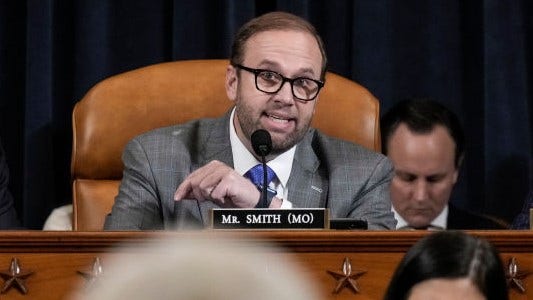
House Ways & Means Chair Rep. Jason Smith (R‑Mo.) discussed the one-year anniversary of the 2025 "Working Families Tax Cut" and prospects for another reconciliation bill during an interview on the Ruthless Podcast. Smith described the 2025 package as the largest tax cut in U.S. history and highlighted provisions he helped shape, including an expanded child tax credit, a provision preventing taxes on tips, and a provision regarding overtime pay. He recounted an anecdote of a constituent waitress who said she received a tax refund exceeding $10,000. Smith also emphasized welfare reforms, border security investments, and spending cuts included in the legislation. He said pushing the so‑called One Big Beautiful Bill was difficult and noted historical challenges in passing multiple partisan reconciliation bills in the same year, making another reconciliation effort uncertain. Podcast hosts also asked Smith about congressional investigations into fraud, particularly alleged hospice and home‑health fraud uncovered in recent probes; Smith cited examples reported in investigations (e.g., businesses posing as hospice providers and large numbers of fraudulent home‑health claims). The interview is part of a midterm interview series; Missouri primary and general election dates for voters were noted in the piece. The article was published by Fox News Digital.
Biblical Reflection
From a Christian discernment perspective, the report presents partisan political messaging about legislative accomplishments alongside legitimate concerns about fraud and oversight. The emphasis on tax relief and anecdotal testimonies aim to highlight tangible benefits for working families, which aligns with biblical concern for the poor and working people—policies that relieve financial burden can serve neighbor‑love. At the same time, political claims such as "largest tax cut in U.S. history" function as persuasive framing and should be verified with independent fiscal analysis rather than taken at face value. The article also stresses welfare reform and border security, topics that often reflect competing priorities: justice, stewardship, and national order on one hand, and compassion for migrants and vulnerable people on the other. The fraud investigations cited rightly call for accountability and good stewardship of public funds; Christians should welcome efforts that protect the vulnerable from exploitation. Finally, the reporting and interview come from a partisan outlet and a politically framed podcast series; readers should be aware of selection and emphasis biases—personal anecdotes and headline claims are persuasive devices and do not substitute for comprehensive data. Christians following this story should hold to truth (verify facts), pursue mercy (consider how policies affect the vulnerable), practice humility (avoid partisan triumphalism), and support accountability for fraud and abuse.
Scripture in context
This outlook does not yet include contextual Scripture citations. Do not treat a general biblical theme as an exegetical conclusion.
Faithful Response
No prescribed response is offered. Consider the reflection prompts below in your own church context.
Reflection and Discussion
- 1Which independent data or nonpartisan analyses can you consult to verify claims about the size and impact of the tax law?
- 2Whose experiences are amplified by this coverage and whose experiences are missing—especially among those most affected by tax or welfare changes?
- 3How does the article’s tone or source shape its presentation of accomplishments versus oversight failures, and how should that affect your judgment?
Sources
Reporting links are evidence inputs; Sanctuary News' biblical reflection is commentary.
This outlook currently relies on fewer than two linked sources. Broaden verification before teaching from it.
- 1.Original reportprimary