News Summary
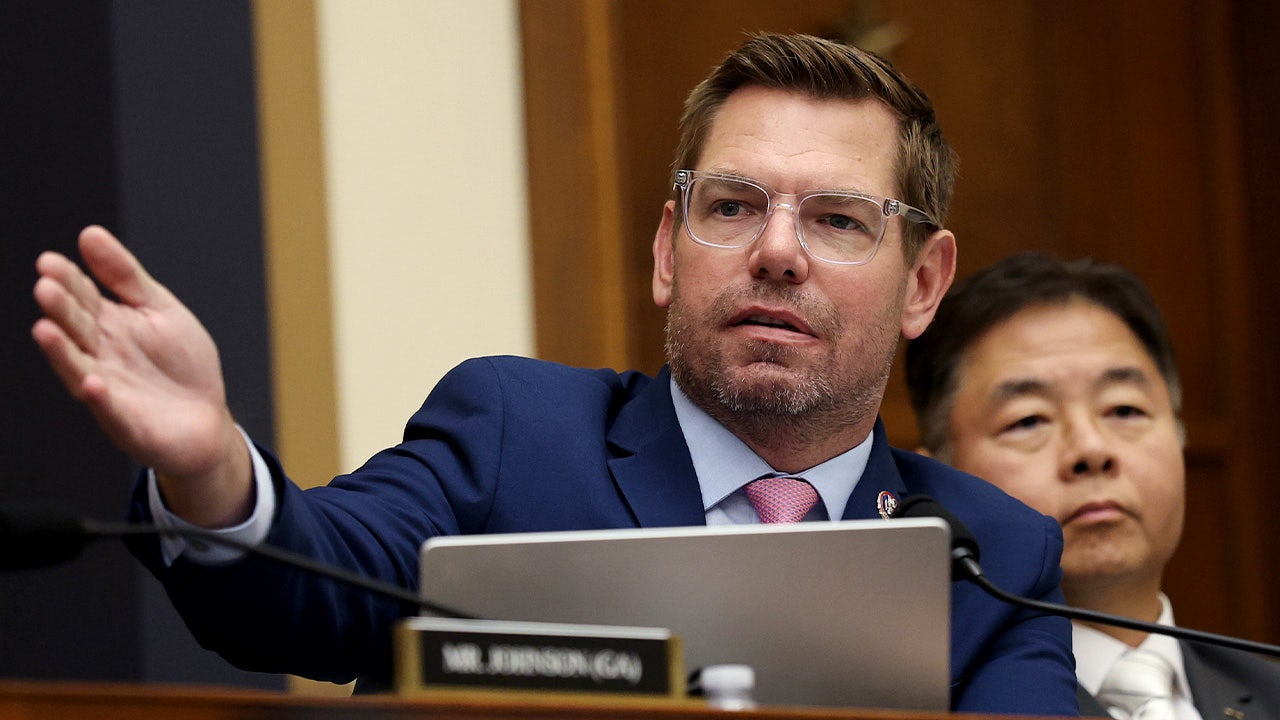
Rep. Eric Swalwell (D-Calif.) is facing multiple public allegations of sexual misconduct from former staffers and others. Swalwell’s attorney, Elias Dabaie, said on CNN that the congressman “categorically denies any misconduct” while taking responsibility for unspecified “lapses in judgment.” Dabaie questioned the timing and credibility of the accusations, noting they surfaced about 25 days before a gubernatorial primary, and said the campaign intends to continue. The attorney declined to discuss evidentiary specifics, citing an ongoing investigation and privileged material. Several of Swalwell’s endorsements have been rescinded, and there have been public calls from some members of Congress and commentators for his withdrawal or expulsion. Swalwell’s team has sent cease-and-desist letters to some accusers and said it is evaluating legal options; the campaign maintains it will seek to vindicate him in court. Reporting cited by the interviewer referenced medical documentation and contemporaneous messages, but Swalwell’s lawyer declined to engage with those specifics on air.
Biblical Reflection
From a Christian perspective, this story raises two necessary commitments: pursuit of truth and care for the vulnerable. Scripture calls believers to seek justice (Isaiah 1:17) and to avoid hasty condemnation (Proverbs 18:13). Public allegations against a leader demand sober investigation rather than reflexive dismissal or celebration. The legal defense’s insistence on presumed innocence and the political response (endorsement withdrawals, calls for expulsion) reflect both legitimate accountability mechanisms and the reality that high-profile accusations are often entangled with partisan timing and media pressures. Christians should be alert to both dangers: the real harm to victims if allegations are minimized or ignored, and the injustice of rushing to judgment based on incomplete reporting or tactical political motives. The article itself largely relays the defense position and notes evidence cited in reporting but does not resolve factual claims; readers should therefore withhold final judgment, pray for clarity, and support processes that protect complainants while ensuring due process. Practically, the piece exposes how quickly reputations and campaigns can be affected in the public square, underscoring the biblical call for humility, repentance when warranted, and institutional transparency.
Scripture in context
This outlook does not yet include contextual Scripture citations. Do not treat a general biblical theme as an exegetical conclusion.
Faithful Response
No prescribed response is offered. Consider the reflection prompts below in your own church context.
Reflection and Discussion
- 1Are we evaluating the facts of the allegations and the credibility of sources distinct from the political interests that may amplify them?
- 2How can churches and Christian communities support both a fair investigatory process and compassionate care for those who come forward with accusations?
- 3What standards of evidence and procedures should guide our judgments about public leaders so we balance justice, mercy, and truth?
Sources
Reporting links are evidence inputs; Sanctuary News' biblical reflection is commentary.
This outlook currently relies on fewer than two linked sources. Broaden verification before teaching from it.
- 1.Original reportprimary