News Summary
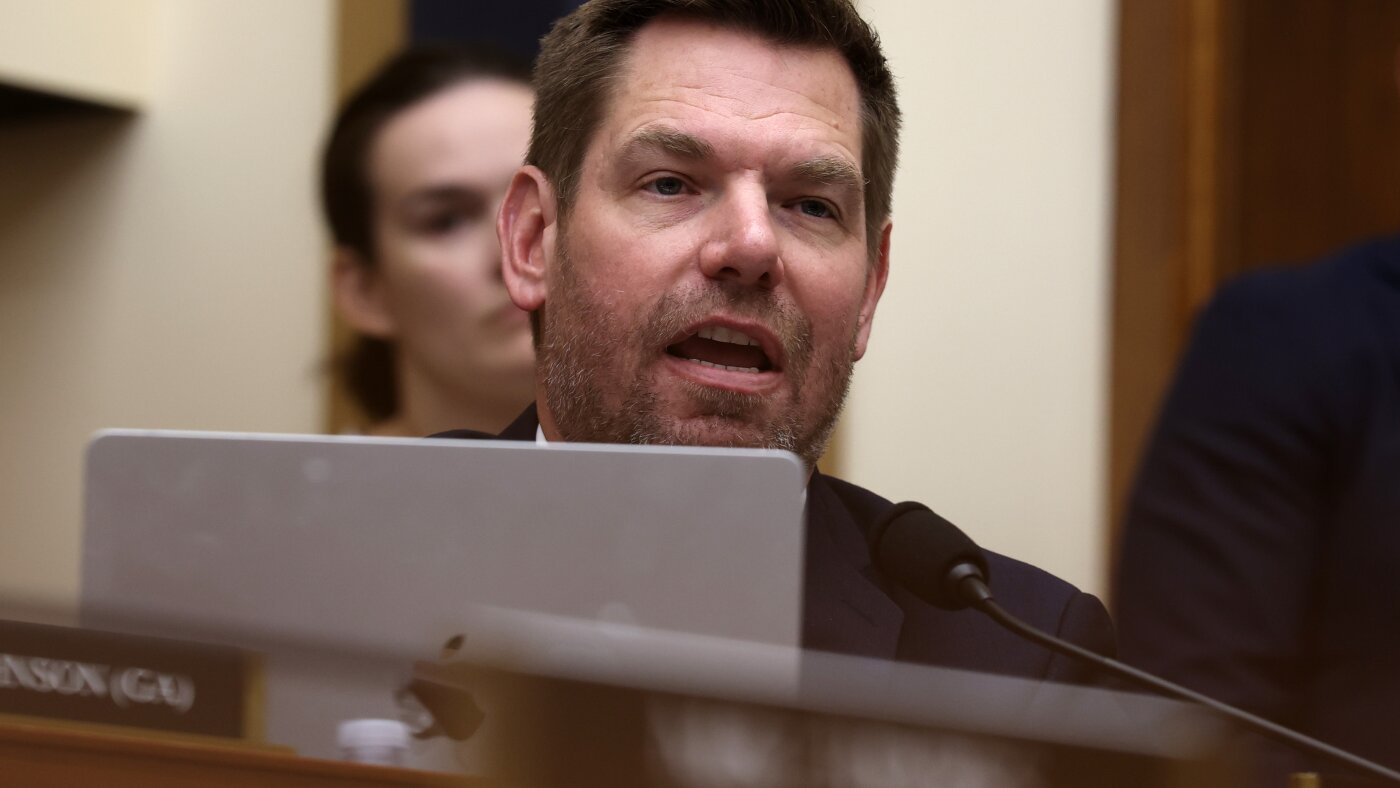
Rep. Eric Swalwell (D-CA) announced he will resign from the U.S. House of Representatives amid public allegations and online rumors accusing him of sexual assault and misconduct. He acknowledged growing calls among lawmakers for his expulsion and had suspended his campaign for California governor a day earlier. Separately, the U.S. and Iran are both restricting oil exports through the Strait of Hormuz, disrupting global oil flows. President Donald Trump posted and then deleted an AI-generated image that many critics described as depicting him in a Jesus-like manner; he said the image was meant to show a doctor comforting people. The image and other posts followed Trump publicly attacking Pope Leo XIV after the pope spoke out against a U.S. war with Iran. Meanwhile, Section 702 of the Foreign Intelligence Surveillance Act is set to expire on April 20 unless Congress renews it; supporters say it’s essential for counterterrorism and trafficking investigations, while critics from both parties contend it can enable warrantless surveillance of Americans and want stronger civil liberties protections. The newsletter also includes unrelated items (a dementia choir project, progress on Africa’s Great Green Wall, and Phil Collins’ Rock Hall induction) but the headline items are Swalwell’s resignation, the Trump–Pope exchange over Iran, and the impending FISA 702 deadline.
Biblical Reflection
From a Christian perspective, these items raise several concerns that cross ethics, truth, and the role of authority. On the Swalwell story: Christians should value both compassion for potential victims and commitment to truth and due process. The church must not rush to protect reputations at the cost of ignoring credible harm, nor should it revel in scandal. Biblical discipleship calls for accountability, repentance where wrongdoing is established, and restoration when appropriate (Galatians 6:1; James 5:19–20). On the Trump–Pope exchanges and the use of religious imagery: politicizing sacred symbols or using religious language for self-promotion distorts worship and can mislead believers. Scripture warns against pride and self-exaltation (Philippians 2:3–8). Public leaders who cast spiritual claims about themselves or weaponize faith rhetoric deserve careful scrutiny. On FISA Section 702 and national security versus privacy: Christians must weigh the common good and protection of the vulnerable (Romans 13) alongside the biblical worth of human dignity and justice. Safeguards against abuse of power, transparency, and respect for lawful rights reflect righteous governance. Across all items, be wary of social-media-driven rumor and performative outrage; these can amplify unverified claims and crowd out careful discernment. Seek sources, demand evidence, and pursue justice tempered with mercy.
Scripture in context
This outlook does not yet include contextual Scripture citations. Do not treat a general biblical theme as an exegetical conclusion.
Faithful Response
No prescribed response is offered. Consider the reflection prompts below in your own church context.
Reflection and Discussion
- 1When an allegation or scandal breaks online, what steps should I take to distinguish verified facts from rumor before forming a moral judgment?
- 2How do I hold public officials accountable while also guarding against tribalism that treats one side as wholly good and the other as wholly evil?
- 3In debates over security laws like FISA 702, how should I weigh the biblical call to protect the common good against the call to protect individual dignity and liberty?
Sources
Reporting links are evidence inputs; Sanctuary News' biblical reflection is commentary.
This outlook currently relies on fewer than two linked sources. Broaden verification before teaching from it.
- 1.Original reportprimary