News Summary
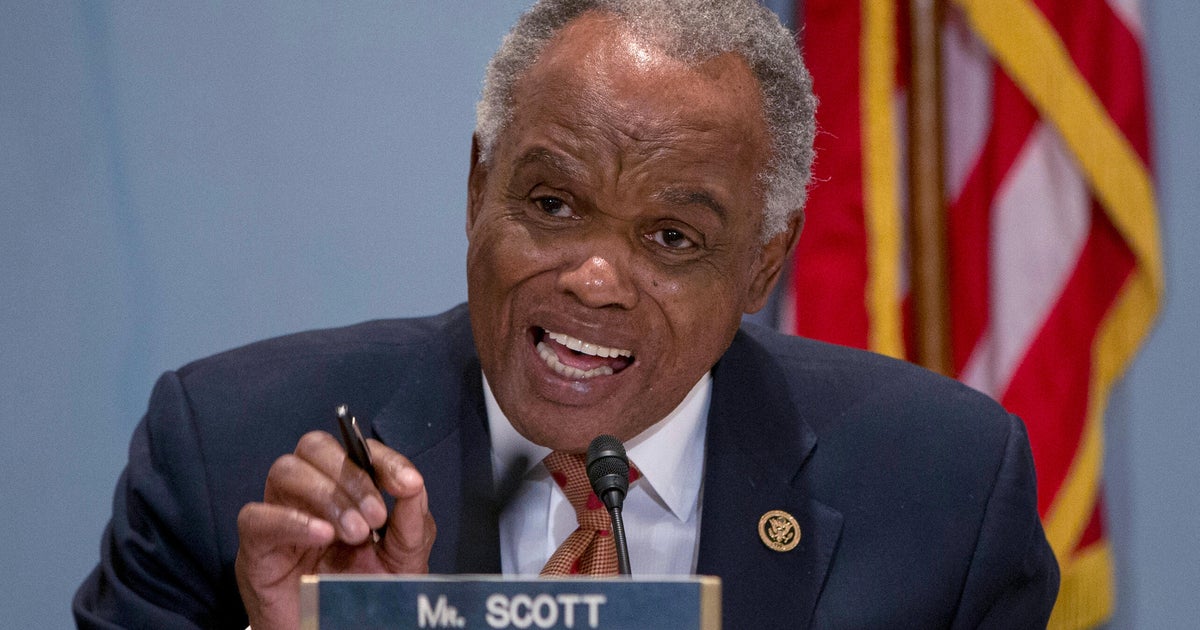
Rep. David Scott (D-Ga.), 80, died in office in April 2026, becoming the fifth member of the 119th Congress to die while serving. At the time of his death Democrats held 212 House seats and Republicans 218 (including one GOP-leaning independent). The five members who died during the 119th Congress were between ages 65 and 87. The article lists the members who have died in the 119th Congress: Rep. Sylvester Turner (died March 4, 2025), Rep. Raúl Grijalva (died March 13, 2025), Rep. Gerry Connolly (died May 21, 2025), Rep. Doug LaMalfa (died January 2026 during surgery following a medical emergency), and Rep. David Scott (died April 2026). Scott had represented suburbs of Atlanta, was seeking his 13th term, was first elected to Congress in 2002 after service in the Georgia legislature (elected to the Georgia State House in 1974 and State Senate in 1982), was a lifelong civil-rights advocate, and was the first Black chair of the House Agriculture Committee with a focus on nutrition access for low-income children. The article notes that when the 119th Congress began in January 2025, Pew Research Center counted 117 members over age 70 and 19 members over age 80. It also references that in the prior (118th) Congress four members died in office, including Sen. Dianne Feinstein.
Biblical Reflection
The article reports factual information about deaths in office and the immediate political arithmetic that follows. Its primary framing emphasizes the practical consequences for legislative control in a narrowly divided House. From a Christian perspective, this series of deaths is a sober reminder of human fragility and the vocation of public service. The coverage’s focus on seat counts and the operational effects of vacancies reflects a pragmatic, secular political worldview that prioritizes power, procedure, and policy outcomes. That emphasis is not wrong in itself, but it can overshadow the human realities: loss, grieving families, and the life-and-ministry dimensions of long public service. Scripture repeatedly calls believers to honor leaders, to mourn with those who mourn, and to remember the transience of life (e.g., Psalm 90). Christians should test the article’s framing for balance—recognizing the legitimate civic concern about governance and the moral call to treat deceased public servants and their families with dignity. Two related ethical questions arise for Christian civic engagement: how to advocate for responsible stewardship of public office (including honest conversations about fitness for service) without sliding into ageism or partisan expediency, and how to resist reducing people to vote counts when reporting and responding to public loss.
Scripture in context
This outlook does not yet include contextual Scripture citations. Do not treat a general biblical theme as an exegetical conclusion.
Faithful Response
No prescribed response is offered. Consider the reflection prompts below in your own church context.
Reflection and Discussion
- 1How does news coverage that highlights partisan seat counts shape our emotional response to the deaths of public servants, and does that focus risk devaluing the individuals involved?
- 2Where should Christians draw the line between legitimate concern about governance (e.g., age, capacity, continuity) and showing compassion and honor toward leaders who are ill or elderly?
- 3What practices can help believers hold both truths together: the practical need for a functioning government and the biblical call to mourn, pray for leaders, and treat every life as bearing the image of God?
Sources
Reporting links are evidence inputs; Sanctuary News' biblical reflection is commentary.
This outlook currently relies on fewer than two linked sources. Broaden verification before teaching from it.
- 1.Original reportprimary