News Summary
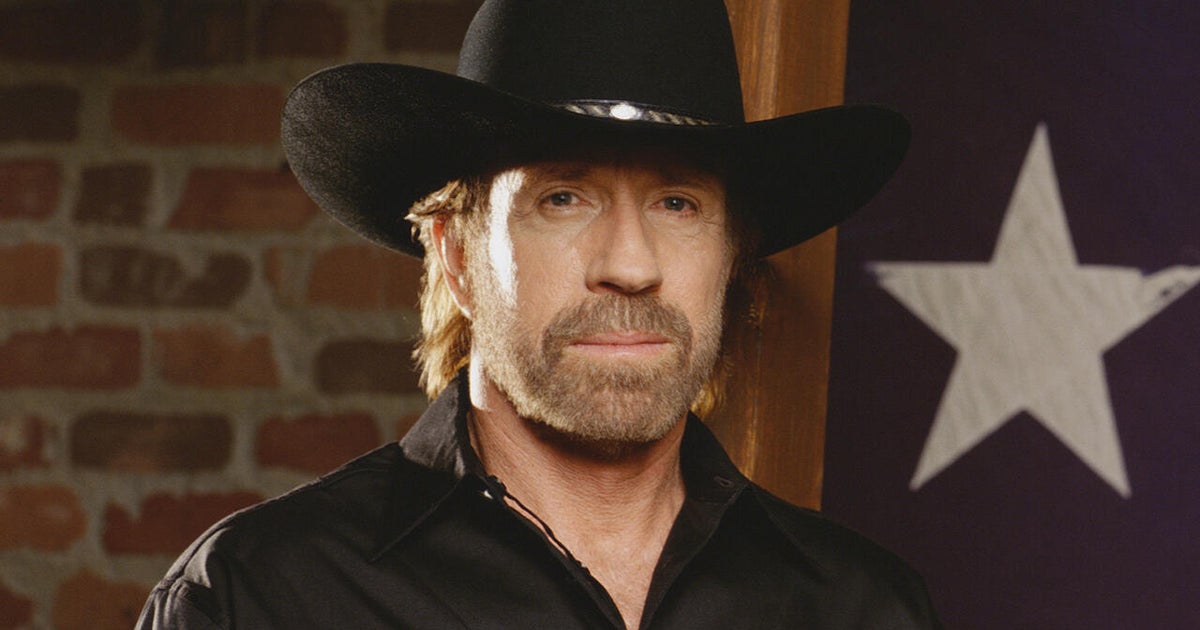
CBS News published a roundup of prominent people who died in 2026, summarizing their lives and contributions across law, politics, entertainment, music, public health, and activism. Among those highlighted: Robert Mueller, former FBI director and special counsel known for investigating Russian interference in the 2016 U.S. election; martial-arts star and actor Chuck Norris; Alexander Butterfield, the White House aide who revealed Nixon's taping system; protest songwriter Country Joe McDonald; pop songwriter and performer Neil Sedaka; salsa innovator Willie Colón; actor Eric Dane (known for Grey's Anatomy), and civil-rights leader Rev. Jesse Jackson. The gallery also remembered documentarian Frederick Wiseman; Master Sergeant Juan Valdez, the last American off the U.S. Embassy roof in Saigon; actor Robert Duvall; James Van Der Beek; character actor Bud Cort; Demond Wilson of Sanford and Son; Catherine O'Hara; epidemiologist Dr. William Foege, key to smallpox eradication; regional cult-figure entertainer Floyd Vivino; designer Valentino Garavani; and Grateful Dead guitarist Bob Weir, among others. The obituaries emphasize the breadth of their influence — legal and governmental service, artistic creation, public health innovation, civil-rights organizing, and military service — while noting controversies, honors, and the cultural footprints each left behind.
Biblical Reflection
This collection of obituaries invites a sober and balanced Christian response. Scripture constantly reminds us of the reality of death and of the call to use our days well (Psalm 90:12). These lives show different ways people stewarded gifts: some served the common good (Foege's public health work; Valdez's service; Jackson's struggle for justice), some created beauty and comfort (musicians, filmmakers, actors, designers), and some were involved in contentious public affairs that invite careful moral evaluation (Mueller's investigation and the political fallout). From a biblical perspective we should: 1) mourn with hope, recognizing that grief is real but not the last word (1 Thessalonians 4:13-14); 2) celebrate God-given creativity and service when it advances human flourishing and points to truth, beauty, and compassion; 3) hold public leaders and institutions to the standards of justice, truth, and accountability (Micah 6:8; Proverbs 31:8-9) rather than idolizing fame or partisanship; and 4) practice grace—honoring achievements while honestly acknowledging failures and the need for repentance. The piece's wide-angle memorializing is scripturally healthy when it prompts gratitude, sober reflection about mortality, and renewed commitment to justice, mercy, and humility. Be wary of two temptations: sentimentalizing fame as ultimate value, and cynically dismissing public good because of human failure. Christians are called to evaluate character and legacy by truth and love, calling out sin and praising what is good and just (Romans 12:9-21).
Scripture in context
This outlook does not yet include contextual Scripture citations. Do not treat a general biblical theme as an exegetical conclusion.
Faithful Response
No prescribed response is offered. Consider the reflection prompts below in your own church context.
Reflection and Discussion
- 1Which of the lives summarized here most challenges you to reconsider how you steward your gifts and time?
- 2How can you balance gratitude for an individual's contributions with a sober commitment to truth and accountability?
- 3In what practical ways can your grief or gratitude for public figures be turned into acts of service, justice, or compassion in your community?
Sources
Reporting links are evidence inputs; Sanctuary News' biblical reflection is commentary.
This outlook currently relies on fewer than two linked sources. Broaden verification before teaching from it.
- 1.Original reportprimary