News Summary
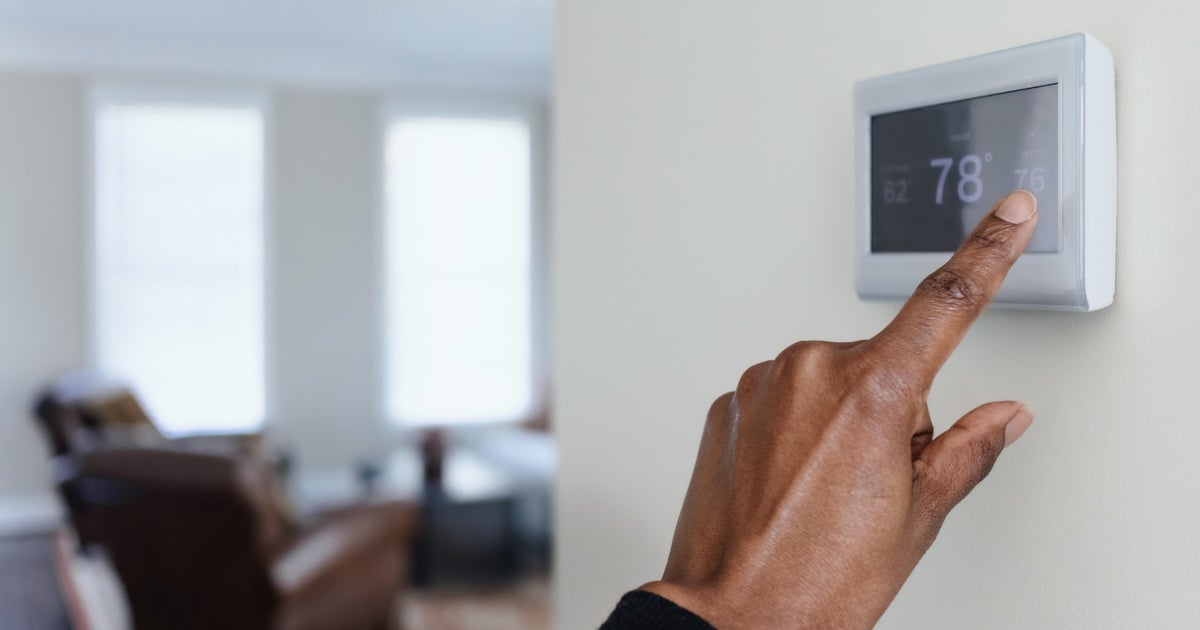
National Energy Assistance Directors Association projects cooling costs will rise about 10.5% this summer versus last year. Rising electricity costs are attributed to factors such as greater data center energy use, higher national gas prices, and grid repair needs. Energy economist Mark Wolfe (NEADA) advises households to manage consumption rather than expect lower prices, recommending gradual thermostat increases (about one degree every couple of days up to no more than 78°F) to save roughly 3% per degree on bills, raising temperatures while away, blocking direct sunlight with blinds or shades, and maintaining or repairing air-conditioning units. New York City and other regions are experiencing near-record temperatures with more than 185 million people under heat alerts; NYC’s mayor asked residents to set A/C to 78°F, turn off unused lights/devices, and dim lights in city buildings to reduce grid strain. The article emphasizes individual behavior and equipment maintenance as primary ways to lower cooling costs.
Biblical Reflection
The article provides practical, evidence-based tips for lowering cooling costs and correctly identifies systemic contributors to higher electricity prices. Its tone centers individual responsibility and household stewardship, which is useful, but it gives less attention to collective solutions — such as targeted aid for low-income households, public cooling centers, utility relief policies, and infrastructure investments — that protect the most vulnerable. From a Christian perspective, wise stewardship of resources and practical planning are good, but stewardship must be paired with mercy: those on fixed or low incomes may face life-or-death heat risks and difficult trade-offs between cooling and other essentials. The piece is broadly truthful and pragmatic, yet readers should notice the implicit assumption that individual adjustment is the main remedy; a fuller, neighbor-loving response also requires communal care and public policy aimed at protecting the poor, elderly, and medically fragile.
Scripture in context
This outlook does not yet include contextual Scripture citations. Do not treat a general biblical theme as an exegetical conclusion.
Faithful Response
No prescribed response is offered. Consider the reflection prompts below in your own church context.
Reflection and Discussion
- 1Who in our communities will be least able to follow these cost-saving tips, and what systems do we have to protect them?
- 2Does focusing on individual thermostat changes unintentionally shift responsibility away from public or communal solutions that address energy affordability?
- 3How can churches and local ministries balance promoting personal stewardship with organizing practical assistance for those at greatest risk from extreme heat?
Sources
Reporting links are evidence inputs; Sanctuary News' biblical reflection is commentary.
This outlook currently relies on fewer than two linked sources. Broaden verification before teaching from it.
- 1.Original reportprimary