News Summary
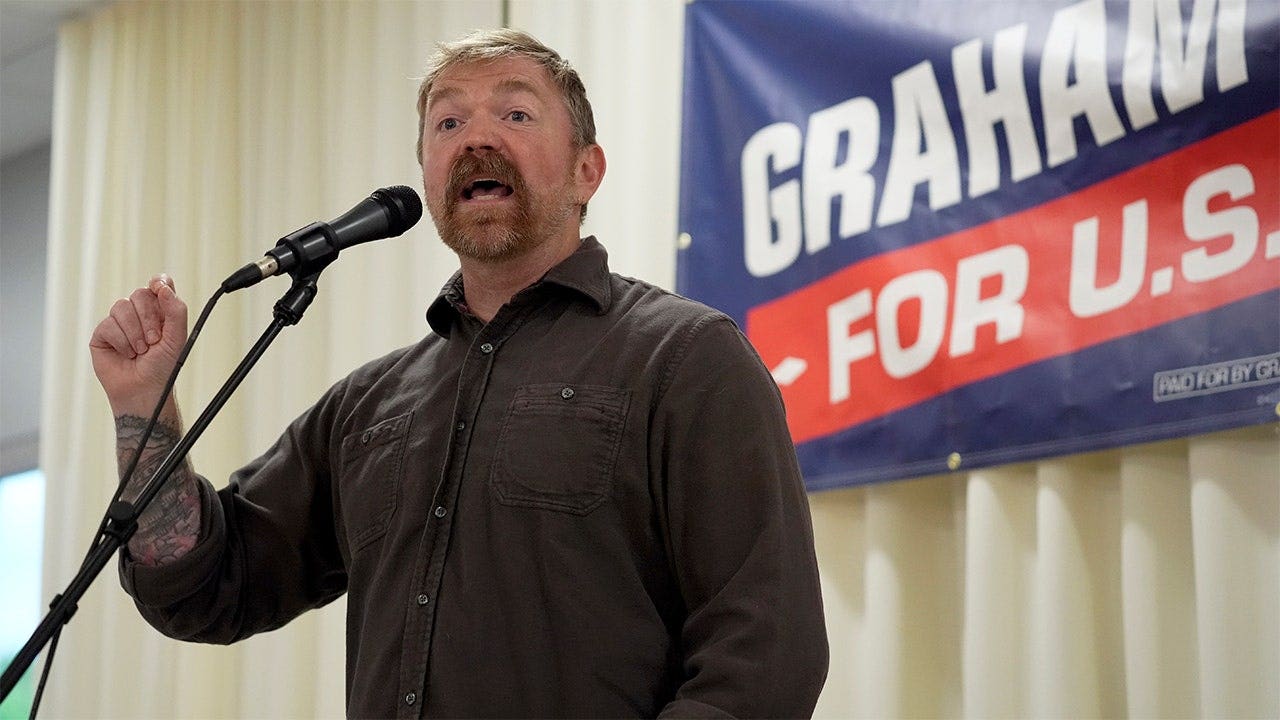
Maine Democratic Senate candidate Graham Platner said at a June rally that he has been able to “make a living on the sea” since leaving the armed forces. Financial disclosures and reporting show his reported oyster-farming income listed as $5,001 for the year, business assets (boat and gear) valued between $50,000 and $100,000, and an additional $3,000 reported for a harbor-master role. Reporting cites that Platner receives about $4,800 in monthly veterans’ disability payments and has acknowledged using part of those benefits for his mortgage. Other reporting noted that his mother’s restaurant is his only listed oyster customer, his farm uses property owned by a business partner’s family, and he received a $200,000 loan from his father to buy his home. Social media critics and Republican operatives have used these disclosures to challenge Platner’s working-class claims; the campaign did not respond to Fox News Digital. The article also notes unrelated controversies surrounding Platner (deleted social posts, alleged abusive behavior toward women, and a tattoo from military service). Despite criticism, some voters and veterans at events continued to show support as the primary approached.
Biblical Reflection
From a Christian pastoral perspective, this story raises two commitments we should hold together: a demand for honesty in public life and compassion for persons who are wounded or vulnerable. Politicians ought to be clear about their biography and economic claims because truth builds trust in civic institutions; if a public image is misleading, it deserves careful, factual scrutiny. At the same time, Platner is a veteran with service-related injuries and publicly acknowledged dependence on disability benefits—facts that call for empathy rather than immediate vilification. Readers should watch for selective framing and partisan language: the article highlights details that weaken Platner’s blue-collar narrative and cites partisan critics without presenting a substantive response from his campaign, which can skew judgement. Spiritually, justice asks us to seek factual accountability; mercy asks us to remember the human costs behind headlines (injury, family support, struggles to start a small business). Christians should resist both reflexive excusing of public figures and cruel exposure that aims only to destroy reputation; instead pursue truth, protect the vulnerable, and demand integrity in how leaders present themselves.
Scripture in context
This outlook does not yet include contextual Scripture citations. Do not treat a general biblical theme as an exegetical conclusion.
Faithful Response
No prescribed response is offered. Consider the reflection prompts below in your own church context.
Reflection and Discussion
- 1Which specific facts in this report are documented (disclosure amounts, loans, business ties) and which are interpretive claims or partisan comment?
- 2How should our care for veterans and those with disabilities shape our response when such individuals become political figures?
- 3Are we applying the same standards of authenticity and scrutiny to every candidate, or letting partisan lenses determine which facts we notice?
Sources
Reporting links are evidence inputs; Sanctuary News' biblical reflection is commentary.
This outlook currently relies on fewer than two linked sources. Broaden verification before teaching from it.
- 1.Original reportprimary