News Summary
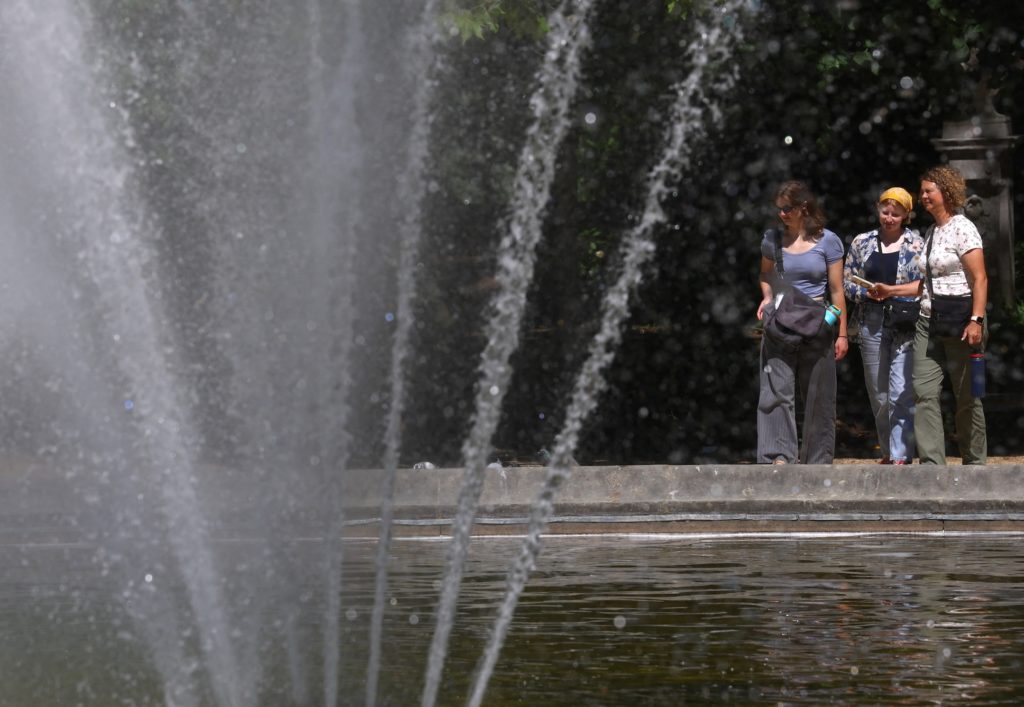
The PBS NewsHour news wrap reports four discrete items: (1) a heat wave described as "record-breaking" across Europe; (2) record rainfall that triggered flooding across several Japanese cities; (3) Hawaii preparing for significant rain and strong winds from Tropical Storm Lala; and (4) Italian authorities recovering three stolen artworks by Renoir, Cézanne and Matisse. The wrap is brief and does not supply temperatures, rainfall totals, named Japanese locations, casualty or damage figures, meteorological forecasts or official source attribution for the "record" claims.
Source and Framing Analysis
Source: PBS NewsHour (single short news-wrap item). Framing: neutral, list-style roundup presenting multiple international developments without analysis. Strengths: concise situational awareness; avoids emotive language. Limitations and uncertainties: the piece attributes "record-breaking" status to European heat and Japanese rainfall but gives no data, no named meteorological or local officials, no timing, and no impact metrics (injuries, deaths, displacement, economic loss). The tropical-storm item notes preparatory warnings but omits track, intensity, or timing details. The recovered-artworks detail is stated without context on when or how recovery occurred. Because a single short wrap is the only provided source here, independent confirmation and fuller reporting (official statements, measurements, local reporting) are needed to verify record claims and to assess human and material impacts.
How sources covered this story
Sanctuary separately assesses reporting quality and alignment with Christian virtues. The virtues assessment considers truthfulness, dignity, compassion, justice, peacemaking, humility, and care for vulnerable people. It does not assess a publisher's faith or reward religious language.
Compare 1 reports
Reporting 72/100Virtues 75/100
- Distinctive contribution
- Provides a brief roundup that independently asserts four separate developments (European heat wave, Japanese flood-triggering rainfall, Tropical Storm Lala threat to Hawaii, and recovery of high-profile stolen artworks in Italy) that could be used as standalone leads or corroboration for those specific stories.
- Framing
- Neutral, list-style news roundup; no emotive language, presents items as concise headlines without analysis or attribution.
- Omissions or uncertainty
- No dates, specific locations, casualty or damage figures, named sources or officials, meteorological specifics (temperatures, storm category), which Japanese cities were flooded, timeline or circumstances of the art theft/recovery, or links to reporting. Lacks attribution and contextual detail that would be needed to fully assess each claim.
- Why these scores
- Appropriate for a brief news wrap: clear, concise, and non-sensational. However, the excerpt provides minimal detail or attribution for each item, which limits independent verification and context. As a short summary its quality is solid but not in-depth. Neutral, factual reporting that neither dehumanizes nor exploits subjects; recovery of stolen cultural property is presented positively. The excerpt shows no sensationalism or disrespect toward affected people. It lacks explicit expressions of compassion or attention to vulnerable individuals impacted by disasters, so scores below the top tier.
Biblical Reflection
The cluster highlights human vulnerability: people exposed to extreme heat, communities flooded by heavy rain, residents preparing for a tropical storm, and institutions recovering cultural goods. Christian discernment calls for mercy toward the suffering, humility about causal claims not substantiated here, and commitment to justice and stewardship. Practically this means prioritizing concrete aid and presence for those harmed, supporting trustworthy relief efforts, advocating policies that protect vulnerable neighbors and strengthen resilience, and honoring cultural goods as part of communal well-being while ensuring care for people remains primary.
Scripture in context
- 1Matthew 25:31-46 — Jesus teaches final judgment in terms of concrete acts of mercy toward vulnerable people (feeding the hungry, welcoming strangers, caring for the sick). — When news reports heat waves, floods, and storms, this passage reminds Christians that caring for those harmed—through presence, relief, and advocacy—is a central measure of faithful response.
- 2Genesis 2:15 — An early biblical theme about human responsibility to tend and guard the created world. — The rise in extreme-weather incidents invites reflection on stewardship: protecting vulnerable neighbors and ecosystems is part of faithful care for creation, alongside immediate mercy to those in danger.
Faithful Response
Pray specifically for people and communities affected by the European heat, Japanese floods, and those preparing for Storm Lala in Hawaii; include first responders and local leaders.
Support verified local and international relief organizations working on heat-relief, flood rescue and recovery, and storm preparedness—prioritize partners with local presence and transparent accountability.
Check on vulnerable neighbors (elderly, those with medical needs, migrants, people without reliable cooling or transport) and offer practical help (water, transport, shelter, medication) when feasible.
Encourage and share preparedness measures (cooling strategies, evacuation plans, flood-safe storage of documents, emergency kits) without spreading unverified claims about causes.
Advocate for long-term resilience and justice: equitable cooling centers, flood defenses, climate adaptation for vulnerable communities, and protection of public cultural goods alongside human needs.
Respect and support institutions that protect cultural heritage while ensuring human welfare remains the priority when allocating relief resources.
Reflection and Discussion
- 1How does the call to concrete mercy shape my response to news of heat waves, floods, and storms before I assess causes or assign blame?
- 2What practical steps could my household or congregation take now to prepare for extreme heat, localized flooding, or storm impacts?
- 3How do we balance celebrating recovery of cultural treasures with attending to human losses and needs in the same contexts?
- 4Where do we need more information before advocating particular policy responses, and how can we promote careful, justice-oriented public conversation about prevention and resilience?
Sources
Reporting links are evidence inputs; Sanctuary News' biblical reflection is commentary.
This outlook currently relies on fewer than two linked sources. Broaden verification before teaching from it.
- 1.News Wrap: Record-breaking heat wave grips Europeprimary_reporting