News Summary
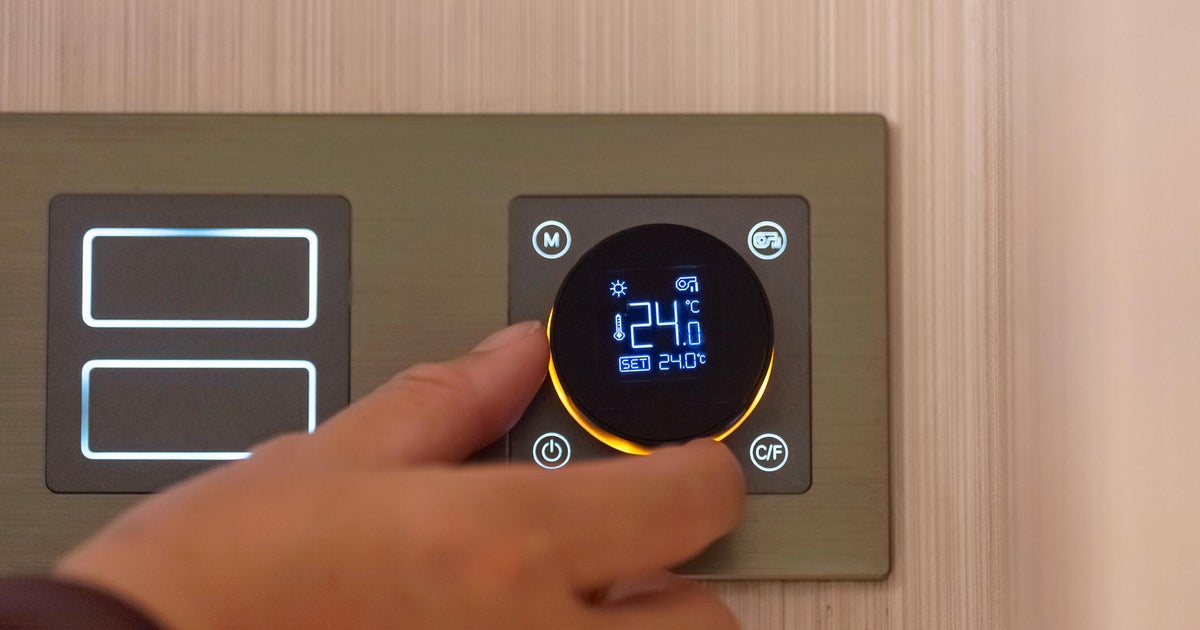
The CBS News article explains that smart thermostats can reduce cooling-related energy use but actual savings vary by home efficiency, behavior, local electricity rates, and HVAC condition. Manufacturer claims range from 8% to 26% total energy savings; independent studies typically find more conservative average savings around 10%–15%. The article gives a worked example: on a $300 electric bill where half is cooling ($150), a 10%–15% reduction yields about $15–$22.50 saved in that month. Smart thermostats save mainly by cutting unnecessary runtime through features like scheduling, occupancy detection, phone controls, and learning algorithms. Upfront costs for quality devices usually run $100–$300 plus possible installation; many utilities offer rebates that can lower the effective price. Payback can be a few years for households with high cooling bills. The piece notes additional benefits (reduced wear on HVAC) and limitations: smart thermostats won't fix poor insulation, leaky ducts, inefficient equipment, or other structural issues that drive high bills. The article includes a commission disclosure indicating potential affiliate links for products.
Biblical Reflection
This article is practical, consumer-oriented reporting with a broadly honest tone: it corrects marketing hype with independent study ranges and clearly lists caveats. Its primary worldview is pragmatic stewardship—encouraging efficient use of resources to reduce costs. That aligns with Christian concerns for wise stewardship of money and care for creation (reducing unnecessary energy use). However, be alert to subtle commercial bias: the piece contains affiliate/commission language and product links, which can nudge readers toward purchases. The article rightly resists treating technology as a cure-all and stresses structural fixes (insulation, ductwork, equipment age) and behavior change as often more significant. Pastoral concerns include equity and neighbor-love: upfront costs and installation barriers mean lower-income households and renters may not access these savings, even though they often suffer most from high cooling costs and heat-related risks. Christians should value the article's call to reasonable stewardship while also pushing for communal responses—utility assistance, rebate programs, and housing improvements—that protect vulnerable neighbors during extreme heat, reflecting truth (accurate limits), mercy (care for the poor and suffering), humility (recognizing tech limits), and courage (advocating for broader fixes).
Scripture in context
This outlook does not yet include contextual Scripture citations. Do not treat a general biblical theme as an exegetical conclusion.
Faithful Response
No prescribed response is offered. Consider the reflection prompts below in your own church context.
Reflection and Discussion
- 1Does the article present the thermostat as a standalone solution, and what important structural problems (insulation, HVAC age, housing access) does that perspective overlook?
- 2Who benefits most from these energy-saving technologies and rebates, and who might be left behind by market-based fixes?
- 3How might the presence of affiliate links or product promotions shape the article's emphasis compared with independent research?
Sources
Reporting links are evidence inputs; Sanctuary News' biblical reflection is commentary.
This outlook currently relies on fewer than two linked sources. Broaden verification before teaching from it.
- 1.Original reportprimary