News Summary
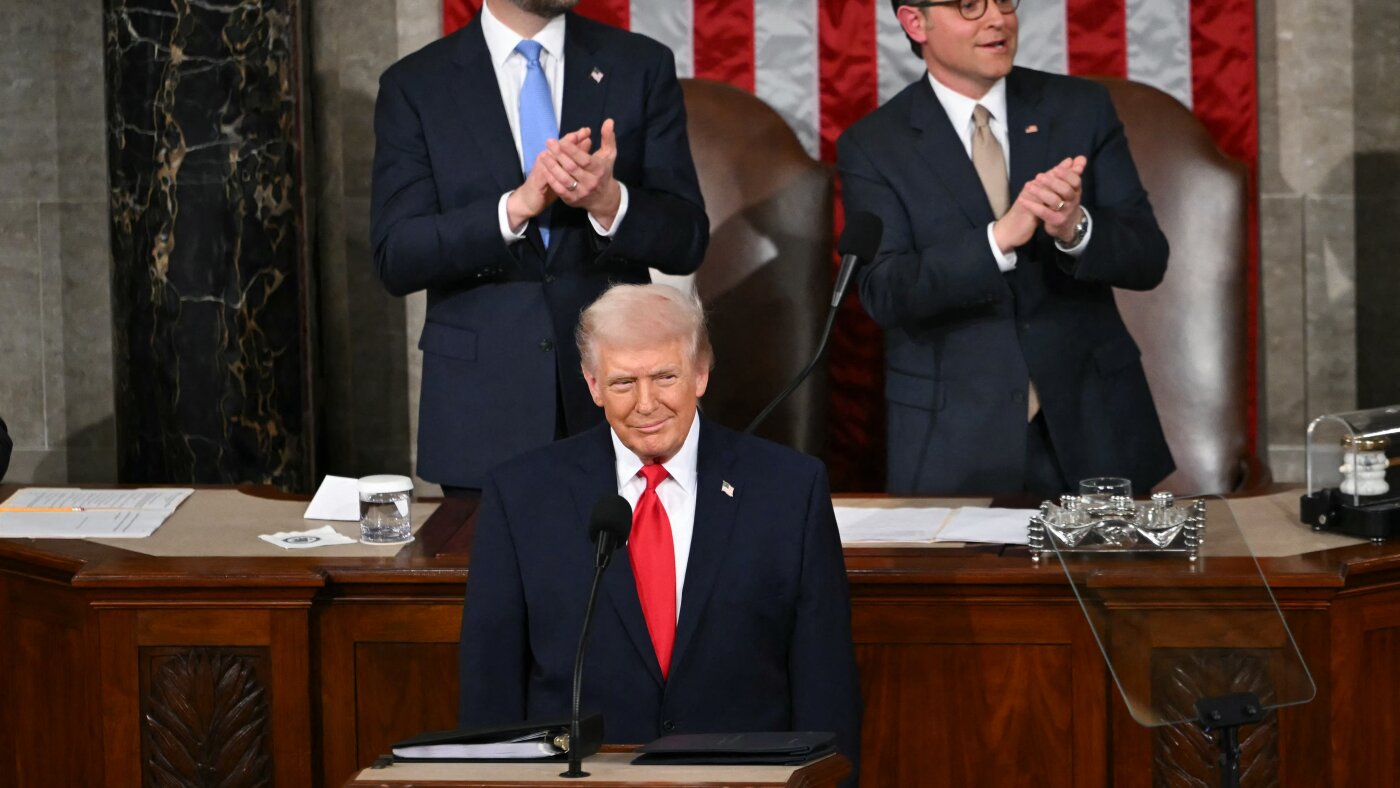
The article presents the full text of President Donald Trump's 2026 State of the Union address, delivered before Congress and the American public. Trump opens by celebrating the forthcoming 250th anniversary of American independence and claims the nation has entered a 'golden age' under his leadership, touting economic recovery, job growth, low inflation, and a secure border. He highlights policy achievements such as record investments, plummeting crime rates, energy production increases, and new initiatives like tax cuts, 'Trump Accounts' for children, and healthcare reforms aimed at lowering drug prices. Trump repeatedly contrasts his administration's actions with those of his predecessor, blaming the previous administration for inflation, border insecurity, and crime. The speech features personal stories of Americans affected by crime, immigration, military service, and social issues like gender transition in schools. Trump celebrates military victories, foreign policy successes, and claims to have ended several international conflicts. He calls for legislative action on border security, voter ID laws, criminal justice reforms, and an end to sanctuary cities. The address closes with patriotic reflections on American history, faith, and the nation's destiny, invoking God’s providence and urging a renewed national spirit.
Biblical Reflection
From a scriptural perspective, the speech is a complex blend of national pride, policy advocacy, and appeals to faith. Scripture teaches that pride and self-exaltation can be spiritual dangers (Proverbs 16:18), and much of the address is marked by self-congratulation and a triumphalist tone. While celebrating positive achievements and advocating for justice and safety aligns with biblical values (Micah 6:8), the rhetoric often frames issues in starkly adversarial, sometimes divisive terms, pitting groups against each other. The frequent blaming and shaming of political opponents, and the tendency to attribute national success solely to human leadership, does not reflect the biblical call to humility, repentance, and unity (Philippians 2:3-4, Romans 12:18). The invocation of faith and acknowledgment of religious revival is notable, but it is important to discern whether faith is being authentically encouraged or used as a political tool. The inclusion of stories of compassion, rescue, and personal sacrifice points toward Christian values, yet the overall speech risks conflating the kingdom of God with the fortunes of a nation-state. Christians are reminded that ultimate hope and security are not found in political leaders or earthly prosperity, but in Christ alone (Psalm 146:3-5). The biblical temperature of the address is therefore mixed: it champions justice and compassion in places, but often departs from Christlike humility, peacemaking, and self-sacrificial love.
Scripture in context
This outlook does not yet include contextual Scripture citations. Do not treat a general biblical theme as an exegetical conclusion.
Faithful Response
No prescribed response is offered. Consider the reflection prompts below in your own church context.
Reflection and Discussion
- 1Are there areas where national pride or political allegiance might overshadow my primary allegiance to Christ and His kingdom?
- 2How can I seek justice and mercy without vilifying others or succumbing to fear or anger?
- 3In what ways can I pray for and encourage humility, truth, and unity in our leaders and nation?
Sources
Reporting links are evidence inputs; Sanctuary News' biblical reflection is commentary.
This outlook currently relies on fewer than two linked sources. Broaden verification before teaching from it.
- 1.Original reportprimary