News Summary
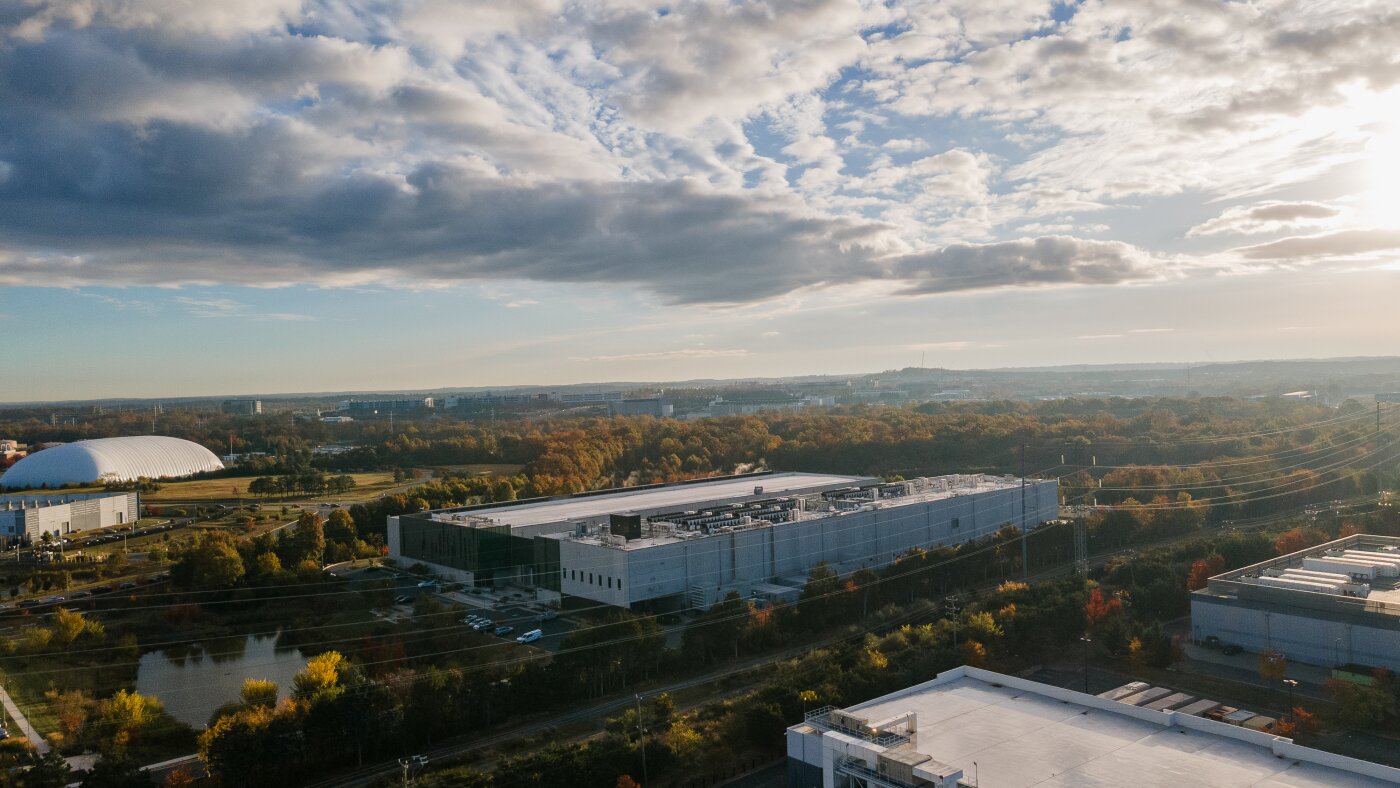
Technology companies are building data centers across the United States at an accelerated pace to meet rising demand for AI and cloud computing. Projects have drawn large investments (the article cites Meta proposals and a Louisiana project with roughly $1.3 billion in construction wages and nearly $1 billion in tax revenue over five years), and many states offer generous tax incentives such as sales-tax exemptions on electricity or equipment. Local communities have raised concerns about noise, power and water demands, pollution, aesthetics, secrecy in dealmaking, and declines in water quality near some sites. Opposition has manifested in town-hall meetings, social-media organizing, state legislation ranging from moratoria to restrictions on incentives, and electoral consequences—voters have unseated local officials who supported data center projects in several communities. States have responded variably: Maine enacted a pause on most construction; Florida passed limits on water and energy use and siting; Virginia is considering ending a sales-tax exemption that has attracted many facilities. At the federal level, the administration has issued a nonbinding framework and an executive order to accelerate permitting while also proposing a pledge and recommendations to shield ratepayers from energy-cost impacts—analysts say those actions lack strong enforcement. The article notes roughly half of the world’s ~12,000 data centers are in the U.S. and that the debate has moved from local zoning fights to state and national policy and electoral politics.
Biblical Reflection
From a Christian perspective, this story raises questions about faithful stewardship, the common good, and honest governance. The article documents real benefits—jobs, tax revenue, and lifelines for struggling rural communities—which align with biblical concerns for neighborly provision and community flourishing. At the same time, reports of environmental strain, water-quality complaints, rising utility burdens for ordinary residents, and opaque negotiations highlight issues of stewardship (care for creation), justice (fairness to vulnerable communities and ratepayers), and transparency. The underlying worldview in much of the tech-and-growth framing privileges economic competitiveness and rapid technological expansion; local resistance shows a countervailing emphasis on place-based care, accountability, and the protection of community resources. The coverage largely presents both sides but leans into human-scale anecdotes and political consequences, which can amplify immediate grievances without fully exploring long-term regulatory or technical remedies. Christians should neither reflexively oppose technological progress nor uncritically accept it; Scripture calls us to weigh benefits against harms, to protect the poor and vulnerable, and to hold leaders and powerful actors accountable. Practically, this means advocating for honest cost assessments, transparent decision-making, equitable burden-sharing, and environmental stewardship—seeking policies that honor both human flourishing and creation care rather than elevating profit or growth as an end in itself.
Scripture in context
This outlook does not yet include contextual Scripture citations. Do not treat a general biblical theme as an exegetical conclusion.
Faithful Response
No prescribed response is offered. Consider the reflection prompts below in your own church context.
Reflection and Discussion
- 1Whose voices are centered in the reporting and in local decisions—residents who will live with the consequences, or outside companies and state negotiators—and what does that reveal about power and accountability?
- 2Are short-term economic incentives being weighed against long-term stewardship of land, water, and household affordability, and how might a Christian ethic reframe those priorities?
- 3What structural fixes (transparency in deals, enforceable consumer protections, environmental safeguards) are missing from the debate, and who should bear responsibility for creating them?
Sources
Reporting links are evidence inputs; Sanctuary News' biblical reflection is commentary.
This outlook currently relies on fewer than two linked sources. Broaden verification before teaching from it.
- 1.Original reportprimary