News Summary
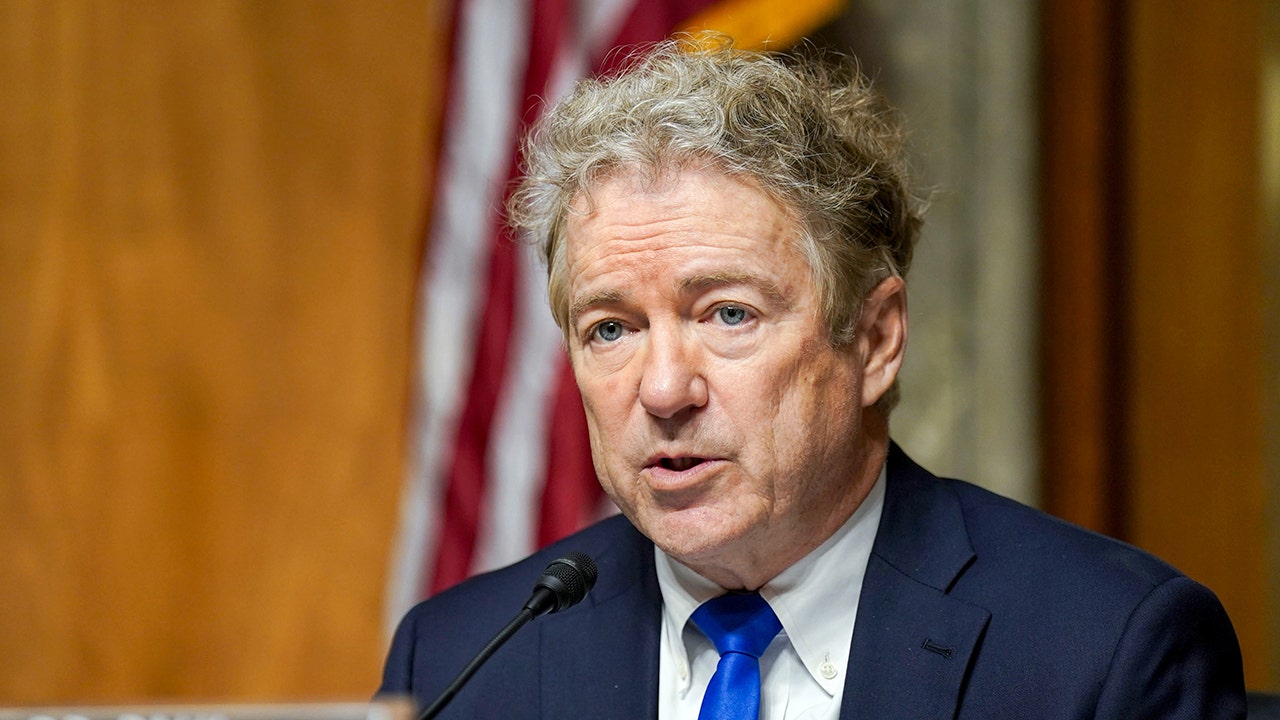
Sen. Rand Paul published an opinion arguing that Congress should not dictate the future of college sports and proposing the Collegiate Sports Integrity Act (S. 2147). Paul says recent court rulings and market changes — including expanded player movement and name, image, and likeness (NIL) earnings — have upended traditional college athletics governance. His bill would remove antitrust liability for college athletics so stakeholders (institutions, conferences, and athletes) could negotiate rules and resolve disputes without federal regulation. Paul criticizes Congress’s competence and transparency and contends federal legislation would pick winners and losers, federalize state institutions, and be difficult to reform. He urges empowering internal stakeholders to craft reforms on revenue sharing, transfers, television contracts, and other governance questions rather than having those details set in federal law, and he supports sending his bill to the president.
Biblical Reflection
Paul’s argument flows from a limited-government, market-oriented worldview that prioritizes stakeholder autonomy and distrusts federal oversight. That perspective highlights legitimate concerns about one-size-fits-all federal rules and the harms of politicized legislation. But it downplays power imbalances inside the marketplace: without legal safeguards, wealthy conferences and institutions could entrench advantages that harm smaller schools and individual athletes. From a Christian pastoral lens we should welcome solutions that seek truth and stewardship of shared institutions while insisting on mercy and justice for vulnerable people — in this case, student-athletes whose education, health, and futures depend on fair treatment. The church’s interest is not in which governing structure wins but in whether reforms protect human dignity, promote honest accountability, and guard the common good. Christians should watch for rhetoric that treats markets as neutral arbiters and ask whether proposed changes include transparency, independent oversight where needed, and protections for those with less bargaining power.
Scripture in context
This outlook does not yet include contextual Scripture citations. Do not treat a general biblical theme as an exegetical conclusion.
Faithful Response
No prescribed response is offered. Consider the reflection prompts below in your own church context.
Reflection and Discussion
- 1Who gains power or protection if antitrust liability is removed, and who might be left more exposed?
- 2Does the marketplace model Paul advocates include concrete safeguards for athletes’ education, health, and long-term welfare?
- 3Are calls to keep Congress 'out' rooted in practical concern or a preference for solutions that concentrate decision-making among already powerful actors?
Sources
Reporting links are evidence inputs; Sanctuary News' biblical reflection is commentary.
This outlook currently relies on fewer than two linked sources. Broaden verification before teaching from it.
- 1.Original reportprimary