News Summary
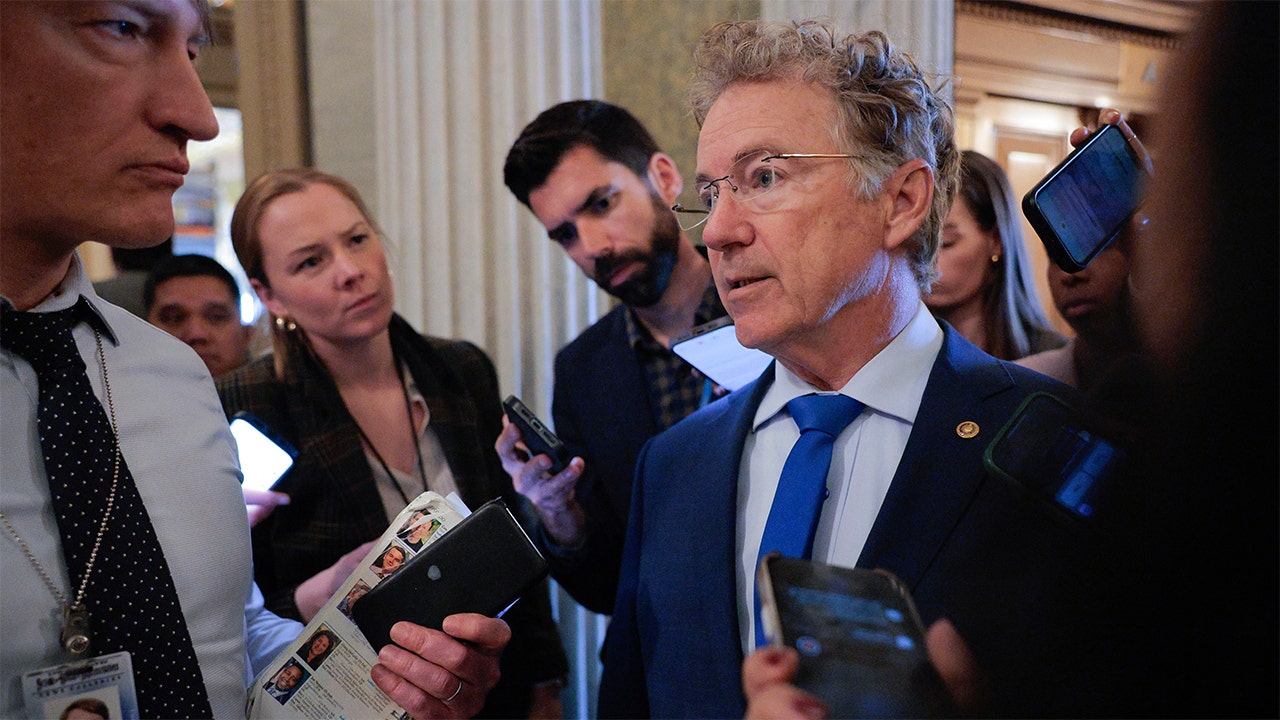
Sen. Rand Paul (R-Ky.) said he is keeping open the possibility of a 2028 presidential campaign, but will not decide until after the 2026 midterm elections. Paul — who ran for the GOP nomination in 2016 and has since been re-elected to the Senate — reiterated his long-standing positions favoring fiscal conservatism, civil liberties, non-interventionist foreign policy, and support for international trade. He criticized certain Trump-era policies, especially President Trump’s use of tariffs and protectionist measures, and argued for a continued free-market wing within the Republican Party. Paul has been making occasional stops in early primary states and has publicly pushed back against populist calls to break up big tech and other large businesses. He also highlighted tensions with the Trump-Vance populist wing and signaled he wants advocates for free trade and limited government influence to remain part of GOP debates going forward.
Biblical Reflection
A Christian assessment should look beyond partisan lines to evaluate motives, means, and likely effects. Paul’s emphasis on fiscal responsibility, free trade, and civil liberties touches on biblical themes — stewardship of resources (responsible use of public funds), honest dealings in commerce, and protecting liberties can reflect good stewardship and concern for neighbor. Scripture repeatedly warns against the love of money and urges justice for the poor (e.g., 1 Timothy 6:10; Proverbs), so advocacy for policies that increase prosperity should also be measured against how they affect the vulnerable. Paul’s critique of protectionism invites questions about whether policies serve the common good or sectional advantage; Christians should ask whether economic policy promotes flourishing, honest exchange, and care for those left behind. At the same time, the Bible warns about pride, factionalism, and elevating leaders to the place of ultimate trust (idolizing political figures rather than God). Christians are called to pursue truth, to hold leaders accountable in love (respecting authority while speaking truth to power), and to practice humility and peacemaking in political engagement. In short: evaluate political proposals by how they promote justice, care for the poor, truthfulness, and peace — not simply by party loyalty or personality politics.
Scripture in context
This outlook does not yet include contextual Scripture citations. Do not treat a general biblical theme as an exegetical conclusion.
Faithful Response
No prescribed response is offered. Consider the reflection prompts below in your own church context.
Reflection and Discussion
- 1When I support economic or political proposals, am I primarily guided by kingdom values (justice, mercy, humility) or by partisan loyalty and personal preference?
- 2How do I weigh policies that may increase prosperity overall against their effects on the most vulnerable in society?
- 3Am I holding political leaders to biblical standards of truth, stewardship, and humility — and doing so with both courage and love?
Sources
Reporting links are evidence inputs; Sanctuary News' biblical reflection is commentary.
This outlook currently relies on fewer than two linked sources. Broaden verification before teaching from it.
- 1.Original reportprimary