A little more detail
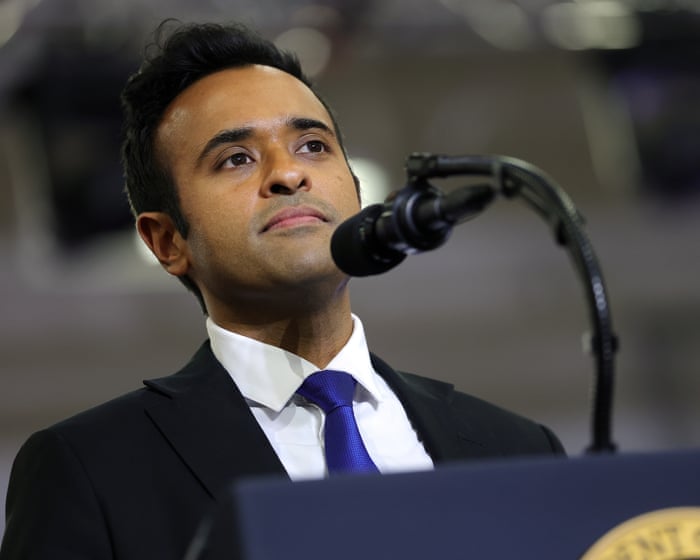
The Guardian reports that Vivek Ramaswamy’s campaign confirmed it is no longer airing a paid attack advertisement that featured Donna Arthur, the estranged mother of Democratic opponent Amy Acton. The piece says the ad prompted a wave of public revulsion. The article also reports historical background—that Donna Arthur lost custody of Acton in 1978 after Donna’s second husband, Cledith Arthur, was charged with raping Acton between the ages of 10 and 12—and states that former President Donald Trump defended the ad. The supplied reporting does not include the ad’s full text or video, contemporaneous statements from Acton or Donna Arthur, internal campaign deliberations, or independent corroboration of the historical legal claims.
Source and Framing Analysis
All supplied reporting about this cluster comes from a single Guardian article. The Guardian’s framing emphasizes moral outrage (language such as "smeared" and "wave of revulsion"), which shapes reader perception toward condemnation of the ad. The article clearly attributes specific claims (the ad was withdrawn; the ad featured Donna Arthur; historical allegations about custody and abuse) to its reporting, but it does not publish the ad itself, full transcripts, on-the-record contemporary quotes from key persons (Acton, Donna Arthur, Ramaswamy campaign officials), or documentation for the 1978 legal claims in the supplied excerpt. Because of that, some factual elements are reported but remain singly sourced; the piece is useful and specific but incomplete for independent verification of motive, content, and reactions beyond the headline claims.
How sources covered this story
Sanctuary separately assesses reporting quality and alignment with Christian virtues. The virtues assessment considers truthfulness, dignity, compassion, justice, peacemaking, humility, and care for vulnerable people. It does not assess a publisher's faith or reward religious language.
Compare 1 reports
Reporting 78/100Virtues 80/100
- Distinctive contribution
- Confirms ad was withdrawn; names the mother (Donna Arthur) and the alleged abuser (Cledith Arthur); gives year (1978) and alleged victim ages (10–12); reports public revulsion and that Trump defended the ad.
- Framing
- The language is strongly critical of the ad (uses words like "smeared" and "prompted a wave of revulsion"), framing the campaign action as a response to moral outrage. The excerpt foregrounds harm and public reaction rather than the campaign’s stated rationale.
- Omissions or uncertainty
- No direct quotes from Ramaswamy, his campaign, Acton, Acton’s mother, or other actors; no documentation or sourcing for the 1978 custody/rape allegations within the excerpt; no timeline of when the ad aired or was pulled; no detail on whether removal was voluntary or compelled by pressure or advertisers/platforms.
- Why these scores
- Concise and specific — names, dates, and the action (ad discontinued) are clear, which is useful. However, the excerpt contains editorial language ("smeared," "wave of revulsion") and provides no direct attribution or quotes in the supplied text; sourcing for the historical legal claims is not shown here. Overall solid and responsibly framed for a brief news item but limited by lack of on-the-record sourcing in the excerpt. The excerpt upholds concern for vulnerable people by highlighting a campaign tactic that invokes past sexual abuse and noting public revulsion, which aligns with justice and care for the harmed. It also supports truth-telling by naming specifics. Points are withheld because the excerpt offers no voices from those directly affected (Acton or her mother) and uses sharply condemnatory language without showing the campaign’s own explanation in full, limiting humility and balanced engagement.
Biblical Reflection
Christians should be concerned when political messaging trades on personal trauma for advantage. Scripture calls the church to speak truth while protecting the vulnerable; political tactics that amplify another person’s painful history for persuasion risk causing further harm and eroding civic trust. The church should insist on accountable leadership, require transparency about campaign choices, and practice mercy toward those wounded by public exposure. At the same time, calling for repentance and repair is appropriate when public actors cross ethical lines. Apply humility: seek facts before final verdicts, care for survivors, and pursue justice that restores dignity rather than merely punishes spectacle.
Scripture in context
- 1–16 — Paul’s instruction to the Ephesian church about speech that builds up rather than tears down. — This passage calls Christians to prefer truthful, constructive speech that strengthens community and to avoid language or tactics that exploit or degrade others—especially those who are vulnerable.
- 2 and the Sermon on the Mount — Jesus’ teachings about treating others as you would want to be treated and the ethical shape of public life found in the Sermon on the Mount. — These teachings invite Christians to evaluate political tactics by asking whether they reflect compassion, fairness, and respect for human dignity rather than humiliation or retribution.
Faithful Response
Pray for those personally harmed by the ad (the people featured and targeted) and for leaders tempted to exploit trauma for political gain.
Do not share or amplify the ad or its allegations until primary material and corroboration are available; refuse to weaponize another’s suffering.
Ask campaigns for transparency (release of the ad video/transcript and explanations of why those choices were made) and hold leaders accountable for ethical breaches while offering opportunities for repentance and repair.
Provide pastoral care and confidential referrals to support survivors of abuse in the congregation and community; prioritize safety, dignity, and trauma-informed listening.
Reflection and Discussion
- 1How does Scripture shape the way we judge political rhetoric that uses another person’s suffering for persuasion?
- 2When is public exposure of historical wrongdoing an act of justice, and when does it become exploitation? How should Christians make that distinction?
- 3What standards of speech and accountability should we expect from Christians who lead or support political campaigns?
Sources
Reporting links are evidence inputs; Sanctuary News' biblical reflection is commentary.
This is a developing, single-source report. Details may change as more reporting becomes available.
- 1.Vivek Ramaswamy discontinues attack ad that prompted wave of revulsionprimary_reporting