News Summary
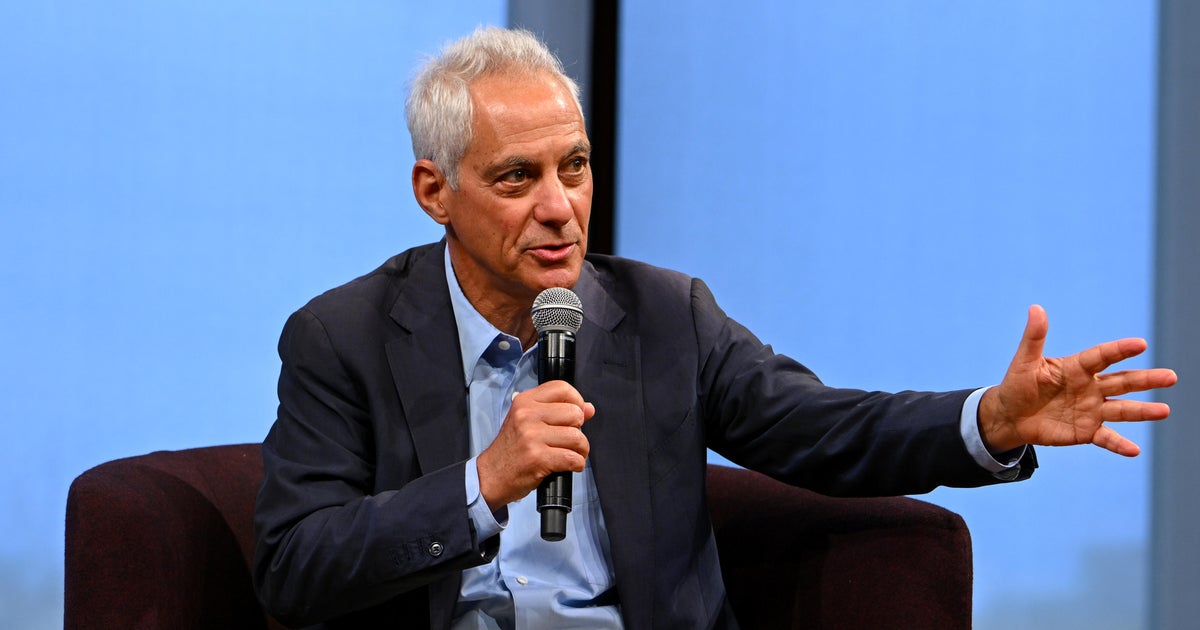
This is a transcript of a July 12, 2026 Face the Nation interview with Rahm Emanuel. Emanuel first reflected on the late Senator Lindsey Graham, describing areas where they collaborated, including national service legislation in 2009 and efforts to close the Guantanamo detention facility. The bulk of the interview focuses on a speech Emanuel recently gave in Israel: he criticized Palestinian leadership and Arab states for failing the Palestinian people, and criticized Prime Minister Benjamin Netanyahu for leading Israel into international isolation by relying primarily on military power. Emanuel proposed a diplomatic and economic approach he called a "23-state solution," urging Arab League recognition tied to security guarantees and Palestinian sovereignty, and advocated economic integration centered on Israeli technology (referencing an India–Mideast–European economic corridor). He emphasized diplomacy and security agreements — including the possibility of talks with Syria — as alternatives to purely military measures, and defended U.S. support for Israel's Iron Dome. Emanuel also said he was invited by Tel Aviv University, noted his focus on domestic education reform in Mississippi, and has not decided whether to run for president. The transcript includes brief exchanges about criticisms labeling Israeli government actions with terms like "apartheid" or "genocide," but Emanuel emphasized offering a plan rather than endorsing such labels.
Biblical Reflection
Emanuel’s statements show a pragmatic, security-focused approach that combines critique with concrete policy proposals. His emphasis on diplomacy, regional security pacts, and economic integration aligns with the Christian call to pursue peace and neighborly welfare rather than domination. At the same time, his framing centers national security and state survival, which can downplay the lived suffering of civilians and the deeper injustices that fuel conflict. Christians reading this should note both the courage it takes to speak frankly to allied leaders and the limits of technocratic fixes: durable peace requires justice, repentance, and listening to marginalized voices as much as clever corridors or security arrangements. Be wary of political rhetoric that instrumentalizes humanitarian concerns for strategic ends or that treats populations primarily as security problems rather than neighbors in need of dignity and mercy.
Scripture in context
This outlook does not yet include contextual Scripture citations. Do not treat a general biblical theme as an exegetical conclusion.
Faithful Response
No prescribed response is offered. Consider the reflection prompts below in your own church context.
Reflection and Discussion
- 1Whose experiences and needs are centered in Emanuel’s proposals, and whose might be sidelined by a security-first framing?
- 2How should Christians weigh military deterrence against diplomatic risk-taking when both aim to protect civilians?
- 3Does calling for pragmatic regional bargains risk treating justice as a negotiable commodity rather than a moral requirement?
Sources
Reporting links are evidence inputs; Sanctuary News' biblical reflection is commentary.
This outlook currently relies on fewer than two linked sources. Broaden verification before teaching from it.
- 1.Original reportprimary