News Summary
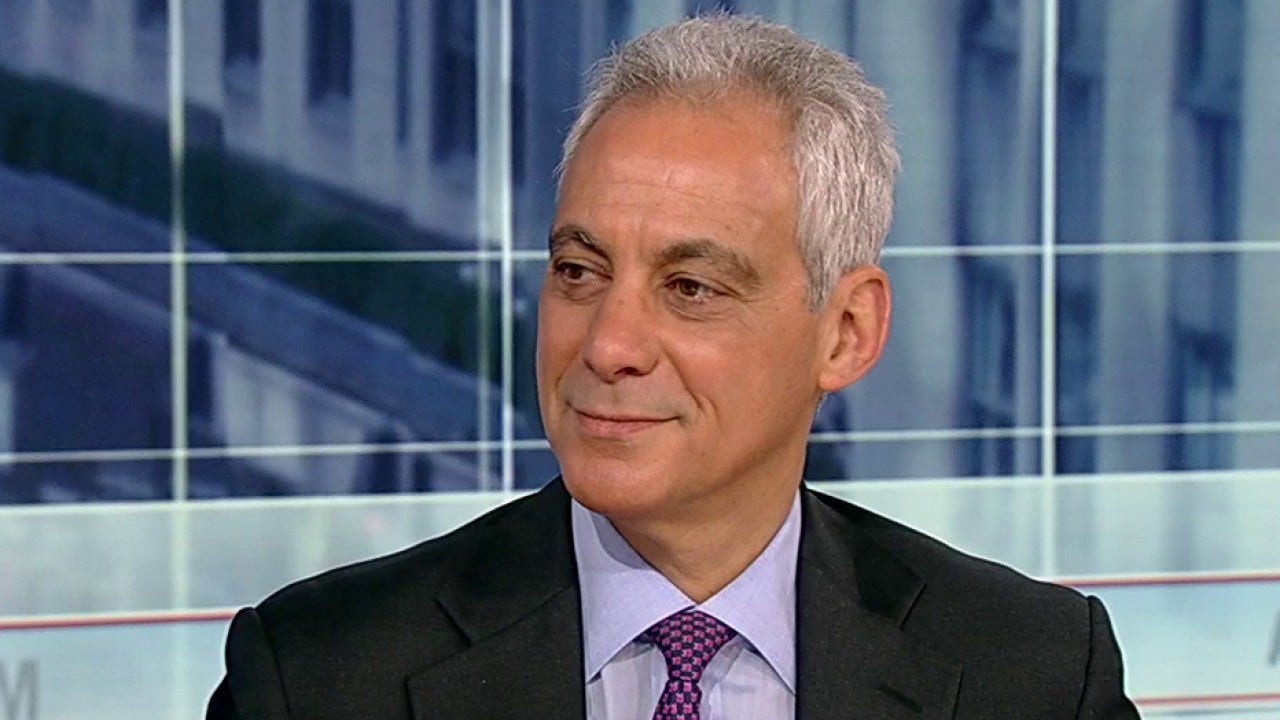
At a July 8, 2026 speech at Tel Aviv University, former White House chief of staff Rahm Emanuel warned that the U.S.–Israel alliance is "at a crossroads" and said unconditional U.S. support for Israel must end unless Israel makes major changes. Emanuel, a longtime defender of Israel and a potential 2028 Democratic presidential candidate, argued that sustained U.S. silence enabled damaging domestic politics in Israel and produced strategic isolation for the country. He proposed a "23-state solution" in which 21 Arab states assume greater responsibility for a governing authority for Palestinians, sanctions against Israelis who attack Palestinian civilians and companies that support West Bank settlements, and an end to U.S. defense subsidies so Israel would purchase arms under the same financial terms as other allies. The article notes background context: a Hamas attack on Oct. 7, 2023 that killed roughly 1,200 people, and Palestinian health authorities reporting more than 73,000 deaths in Gaza since Israel’s response. The piece cites polling (AP-NORC) showing declining support for Israel among Democrats and growing public belief that the U.S. is "too supportive" of Israel. The article also references Israeli Prime Minister Benjamin Netanyahu’s recent interview defending the U.S.-Israel alliance and says Netanyahu had not yet replied to Emanuel’s speech at the time of publication. Emanuel’s recent travel to early-primary states and his political background are reported as context for his remarks.
Biblical Reflection
Emanuel’s speech mixes strategic critique, moral pressure, and political positioning. His call for conditioning U.S. support reflects a view that long-term alliances require accountability and that continued unexamined backing can produce political and moral costs; that is a defensible policy stance. At the same time, Emanuel is a potential presidential contender whose proposals serve both foreign-policy argument and domestic positioning. The article frames his remarks as a sharp rebuke to Netanyahu and highlights partisan splits in the U.S., which can encourage readers to interpret the speech primarily as campaign theater rather than substantive diplomacy. Christians should notice two tensions: the need to advocate for justice and protection for civilians (whoever they are) and the reality that geopolitical debate is shaped by ambitions, identity politics, and media framing. The reporting responsibly includes casualty figures and poll data but relies on partisan sources and one outlet’s framing; readers should seek multiple sources, including humanitarian, Israeli, Palestinian, and independent diplomatic perspectives, before drawing settled conclusions. Pastoral discernment calls for truth-telling about wrongdoing, mercy toward the vulnerable, humility about geopolitical complexity, and courage to press for policies that protect life and promote a just peace.
Scripture in context
This outlook does not yet include contextual Scripture citations. Do not treat a general biblical theme as an exegetical conclusion.
Faithful Response
No prescribed response is offered. Consider the reflection prompts below in your own church context.
Reflection and Discussion
- 1Whose interests and voices does this speech center — strategic alliances, domestic politics, or the welfare of civilians on both sides?
- 2How might political ambition and the timing of a possible presidential run shape the tone and proposals of this foreign-policy critique?
- 3Are we weighing calls for accountability alongside the responsibility to protect civilians, or are those aims being presented as mutually exclusive?
Sources
Reporting links are evidence inputs; Sanctuary News' biblical reflection is commentary.
This outlook currently relies on fewer than two linked sources. Broaden verification before teaching from it.
- 1.Original reportprimary