News Summary
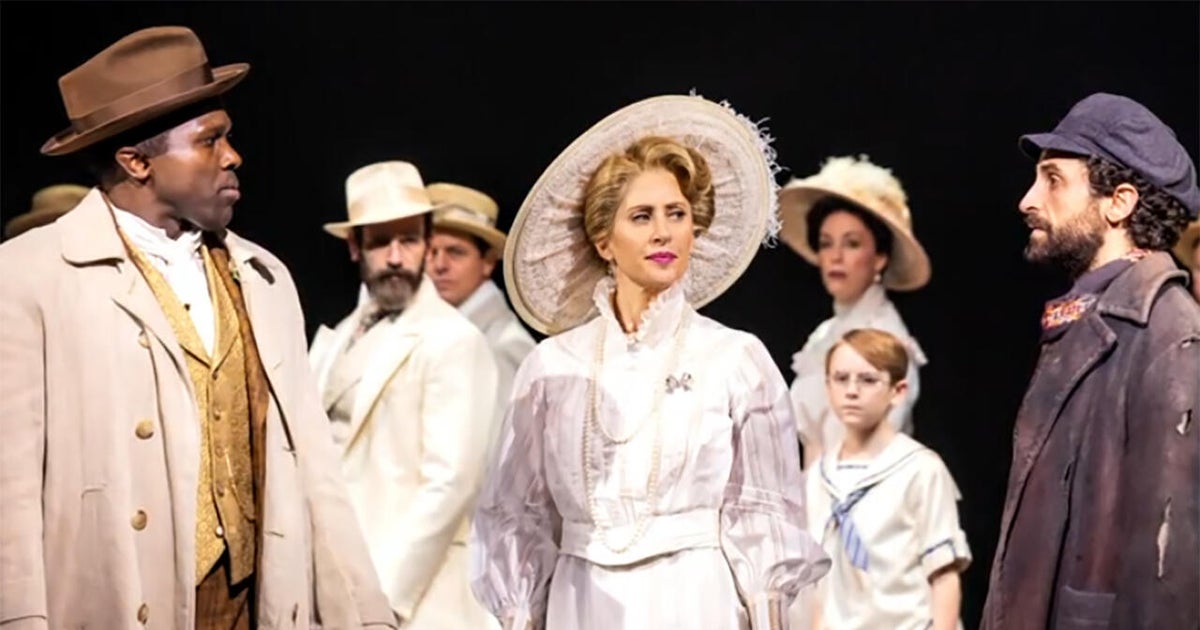
A Broadway revival of the musical Ragtime is being staged with Tony Award nominees Brandon Uranowitz, Caissie Levy and Joshua Henry in leading roles. The story—adapted from E.L. Doctorow's novel by Terrence McNally, Lynn Ahrens and Stephen Flaherty—follows three intersecting groups (a wealthy suburban mother, a Black ragtime pianist, and an Eastern European immigrant) pursuing the American Dream in the early 1900s. Creators and cast members describe the show's big emotions and themes of hope, conflict, race and immigration; the revival has received highly positive reviews compared with the original 1998 run. Director Lear deBessonet and the creative team emphasize that the show’s historical setting invites contemporary parallels and reflection on national identity and social fracture.
Biblical Reflection
Ragtime, as described in the article, is artistic storytelling that centers human dignity, yearning and conflict—subjects Christians are called to attend to with both truth and compassion. The piece’s intent appears to be empathetic rather than polemical: it uses historical drama to surface present-day questions about belonging, justice and the cost of progress. Readers should note that theater compresses and dramatizes history for emotional effect; while that can deepen sympathy and moral imagination, it is not a substitute for fuller historical study or policy analysis. From a pastoral perspective, the revival offers a fertile occasion to practice neighbor-love: listening to marginalized stories, acknowledging past and present failures, and moving from grief about injustice toward concrete acts of mercy and justice.
Scripture in context
This outlook does not yet include contextual Scripture citations. Do not treat a general biblical theme as an exegetical conclusion.
Faithful Response
No prescribed response is offered. Consider the reflection prompts below in your own church context.
Reflection and Discussion
- 1Whose voices does this production center, and which perspectives might still be absent or simplified in its storytelling?
- 2How does nostalgia for a nation's past shape our willingness to face uncomfortable truths about injustice?
- 3Does engagement with this drama move audiences toward concrete compassion and action, or mainly toward sentimental feeling?
Sources
Reporting links are evidence inputs; Sanctuary News' biblical reflection is commentary.
This outlook currently relies on fewer than two linked sources. Broaden verification before teaching from it.
- 1.Original reportprimary