News Summary
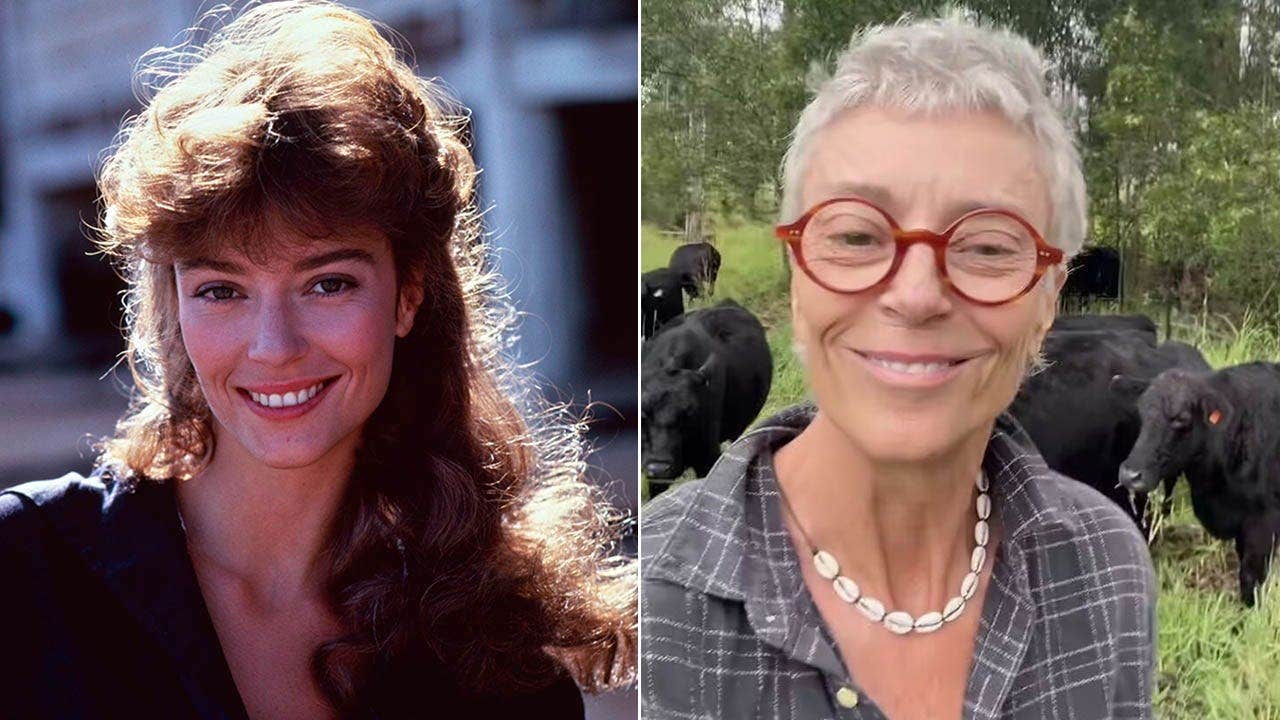
Rachel Ward, 68, a British-born former model and actress who rose to fame in the early 1980s with roles including Dominoe in Sharky's Machine and Meggie Cleary in the 1983 miniseries The Thorn Birds, described becoming disillusioned with Los Angeles and Hollywood’s emphasis on appearance and sexuality. After marrying Australian actor Bryan Brown in 1983, the couple moved to Australia and purchased an 865-acre property in the Nambucca Valley, New South Wales, in 1986. Ward continued to work intermittently in film and television but shifted toward Australian projects and later directing. The 2019–2020 Australian bushfires deeply affected her; she has said the experience, combined with career lull and ongoing struggles with depression, prompted a turning point. Concluding that conventional farming was unsustainable, Ward and Brown transitioned their property toward regenerative farming practices. Ward now manages the farm full time, made the 2023 documentary Rachel’s Farm about sustainable agriculture, and has publicly pushed back against ageism and the sexualization of women in entertainment after posting makeup-free videos of farm life that drew both support and criticism. The article recounts her personal reflections on purpose, mental-health struggles (including hospitalization after abruptly stopping antidepressants and a subsequent car accident), and how working the land has renewed her sense of agency and meaning.
Biblical Reflection
Rachel Ward’s story raises several truthful and pastoral points. Factually, this is a personal testimony: she recounts real career choices, depression, and a concrete shift to regenerative farming after traumatic national fires. The article largely presents her perspective sympathetically; readers should note it’s a first-person account rather than an investigative study of Hollywood or agriculture. From a Christian viewpoint, her move resonates with biblical themes of stewardship, vocation, and the dignity of honest work—caring for creation and seeking sustainable practices reflect responsible stewardship of God’s world. Her critique of being valued primarily for physical appearance calls Christians to resist a culture that reduces human worth to attractiveness or usefulness, and to affirm the intrinsic dignity of each person. Her struggles with depression also call for mercy and realistic care: faith communities are to offer practical support, nonjudgmental listening, and access to professional help when needed. Be cautious about celebrity narratives that can simplify complex causes (e.g., systemic issues in entertainment or agriculture); Ward’s experience is authentic but not a comprehensive analysis. Finally, the online ageism she faced is a reminder that Christian responses should model compassion and reject ridicule. Overall, her testimony invites us to celebrate redeemed purpose, care for creation, and compassionate support for those wrestling with mental health.
Scripture in context
This outlook does not yet include contextual Scripture citations. Do not treat a general biblical theme as an exegetical conclusion.
Faithful Response
No prescribed response is offered. Consider the reflection prompts below in your own church context.
Reflection and Discussion
- 1How does our culture’s focus on appearance and sexuality shape how we evaluate people, and how should Christian love correct that impulse?
- 2In what ways can stewardship of land and attention to sustainable practices be faithful responses to climate and community needs?
- 3When a public figure shares struggles with mental health, how can Christians balance empathy, healthy boundaries, and support for professional care?
Sources
Reporting links are evidence inputs; Sanctuary News' biblical reflection is commentary.
This outlook currently relies on fewer than two linked sources. Broaden verification before teaching from it.
- 1.Original reportprimary