News Summary
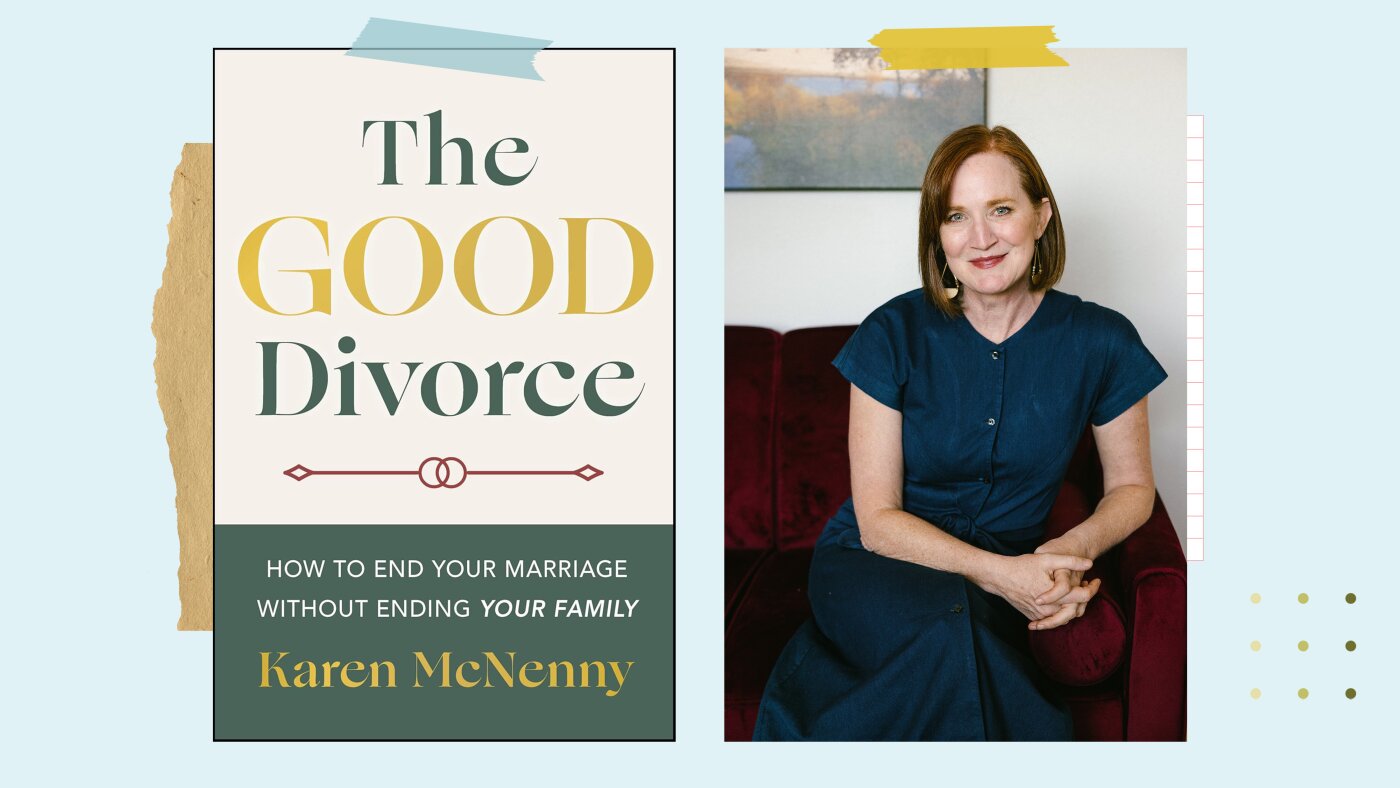
Karen McNenny, a mediator and certified divorce coach, describes the idea of a “good divorce” in her new book, arguing that divorce can be a tool to end a marriage while protecting the family and individual health. She emphasizes co-parenting cooperation, unified communication with extended family and community, flexibility in custody schedules to meet children's needs, and practical planning such as discussing prenuptial agreements and the financial ‘business’ of marriage. McNenny acknowledges that collaborative approaches are inappropriate in cases of active addiction, abuse, coercion, or unmanaged mental illness. She also highlights the often-unrecognized grief of divorce and urges friends and communities to offer support similar to how they would after a death. The piece includes a Pew Research Center stat that a third of Americans who have ever been married had a first marriage that ended in divorce.
Biblical Reflection
This article offers practical, compassionate guidance that centers children's welfare and mental health, and it rightly reframes divorce as something that can be managed constructively rather than used as punishment. Its strength is pastoral pragmatism: preparing ahead (prenups, conversations about roles), communicating clearly, and prioritizing cooperative parenting reduces harm. The piece aligns with Christian virtues of mercy and neighbor-love when it urges care for vulnerable children and emotional support for those who grieve. However, the article reflects a secular, therapeutic framing that treats divorce primarily as a problem-solving process; it does not address theological concerns about marriage as a covenant, nor does it name repentance, reconciliation, or the church’s role in restoration. It also risks minimizing power imbalances if readers assume collaboration is always possible; the interviewer does note exceptions like abuse, but practical guidance for survivors and for churches responding to such cases is limited. Pastoral discernment should therefore balance the article’s helpful, humane practices with scriptural commitments to marriage where possible, serious attention to safety, and the church’s role in accompanying wounded people without stigmatizing them.
Scripture in context
This outlook does not yet include contextual Scripture citations. Do not treat a general biblical theme as an exegetical conclusion.
Faithful Response
No prescribed response is offered. Consider the reflection prompts below in your own church context.
Reflection and Discussion
- 1How does describing divorce as a practical 'tool' change our view of marriage as a covenant and our responsibility to pursue reconciliation where safe?
- 2Are local churches and faith communities set up to offer the same grief support to people whose marriages end as they do for those who experience bereavement?
- 3Does this advice adequately account for unequal power or safety risks in relationships, and what additional protections should be expected when abuse is present?
Sources
Reporting links are evidence inputs; Sanctuary News' biblical reflection is commentary.
This outlook currently relies on fewer than two linked sources. Broaden verification before teaching from it.
- 1.Original reportprimary