News Summary
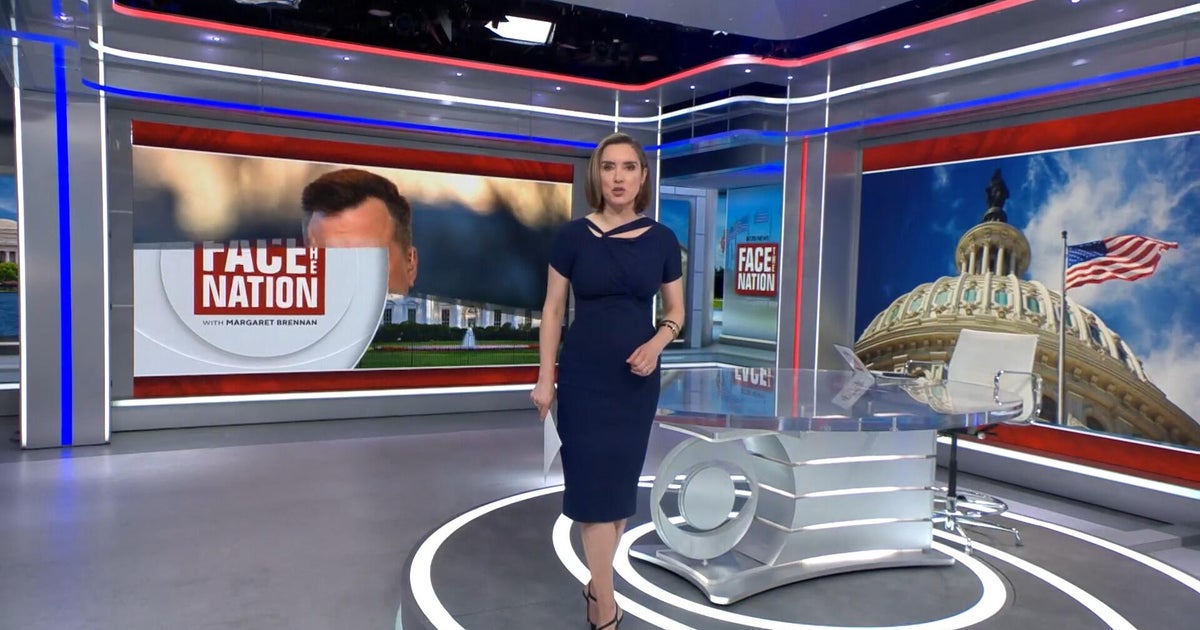
This CBS "Face the Nation" transcript (June 7, 2026) includes three main threads: 1) Representative Ro Khanna discusses his continued support for Maine Senate candidate Graham Platner while acknowledging Platner's past misogynistic behavior, tattoos with Nazi imagery (which he covered), explicit messages to women, and struggles with PTSD and alcohol; Khanna says he believes accusers and condemns attacks on journalists and the women who came forward, but argues voters in Maine were aware and have extended grace. 2) Representative Jim Himes criticizes President Trump's appointment of Bill Pulte, head of the Federal Housing Finance Agency, as acting director of national intelligence, saying Pulte lacks national security experience and that the appointment jeopardized bipartisan support for reauthorizing FISA Section 702; Himes and others warned the move could undercut intelligence collection and bipartisan confidence in the community. Representative Don Bacon discusses GOP politics, the Texas Senate primary, and his support for continued aid to Ukraine, criticizing administration and leadership mixed messaging on allied relations. 3) A segment on AI features Chris Krebs and Ben Buchanan analyzing a recent executive order requiring voluntary pre-release sharing of advanced models with the government for a 30-day review, the limits of voluntary regimes, procurement levers within the Defense Department, concerns about rapid self-improvement of models, cyber and biological risks, and proposals (un-detailed) for public stakes or other governance mechanisms. The program also includes a profile segment on veterans and civic courage by Rye Barcott.
Biblical Reflection
The broadcast shows democratic processes and national-security institutions under strain from partisanship, rapid technological change, and contested standards of accountability. From a Christian perspective, several principles matter: truth — we must take allegations and intelligence risks seriously and pursue facts without partisan distortion; mercy and redemption — the conversation about Graham Platner raises the tension between repentance and accountability: the church calls for both honest repentance and care for those harmed; humility — leaders should recognize the limits of their authority, especially when placing unqualified people into sensitive roles; stewardship — public officials are stewards of common goods (security, public trust, technology) and must protect institutions from politicization; neighbor-love and protection — national-security choices and AI governance have real consequences for civilian safety, privacy, and vulnerable populations, so prudence and cooperation are moral imperatives. The program's framing is largely journalistic and partisan: it highlights scandal and controversy in ways that can obscure longer-term policy questions (how to rebuild vetting, how to legislate AI, how to fund allies). Christians should be attentive to bias that amplifies personal failings or political theater over structural repair, and insist on processes that respect victims, invite true repentance, and protect the common good.
Scripture in context
This outlook does not yet include contextual Scripture citations. Do not treat a general biblical theme as an exegetical conclusion.
Faithful Response
No prescribed response is offered. Consider the reflection prompts below in your own church context.
Reflection and Discussion
- 1When allegations of personal wrongdoing arise, how do we balance the demands of accountability for victims with the Christian call to offer repentance and restoration?
- 2How does the politicization of security appointments and surveillance authorities harm the common good, and what institutional practices would rebuild trust?
- 3As technologies like AI advance rapidly, whose interests should guide governance: private innovators, national security, or the global common good — and how do we discern that ethically?
Sources
Reporting links are evidence inputs; Sanctuary News' biblical reflection is commentary.
This outlook currently relies on fewer than two linked sources. Broaden verification before teaching from it.
- 1.Original reportprimary