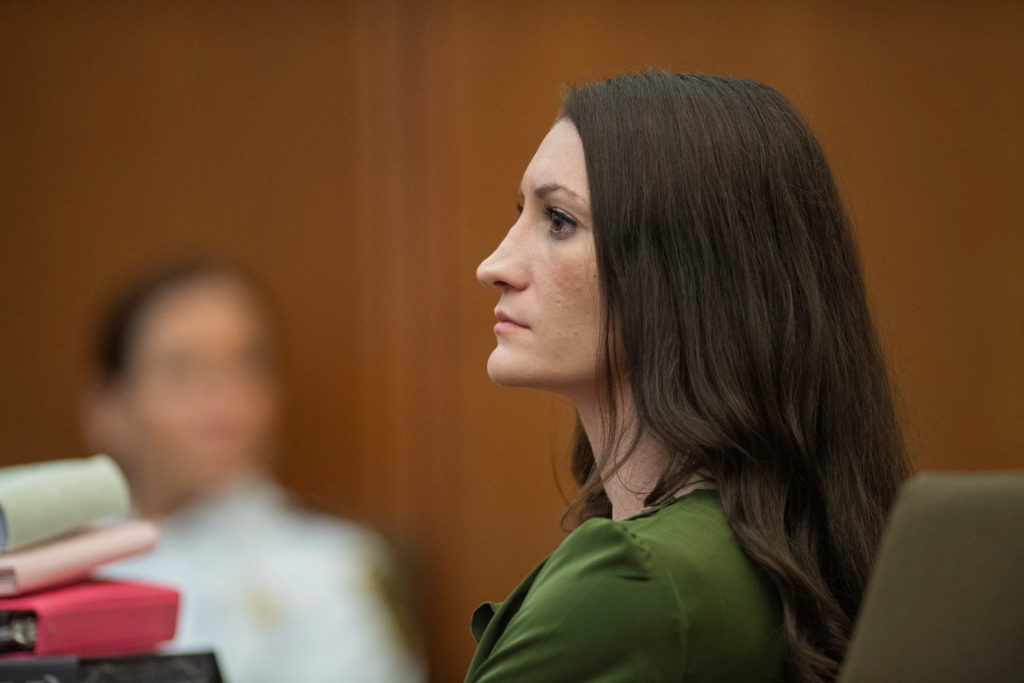
News Summary
At the trial of Lindsay Clancy, defense psychologist Paul Zeizel testified that, in his view, Clancy should not be held criminally responsible because she has bipolar disorder and was experiencing a rare mental illness at the time of the deaths; PBS NewsHour characterized this testimony as the defense’s "strongest evidence yet." Reporting also contains prosecution-favorable testimony: forensic examiner Dr. Kirk Heilbrun — cited by The Guardian and PBS — expressed diagnostic uncertainty (saying he struggled to reach a bipolar II diagnosis after a three‑day evaluation) and in Guardian reporting said he doubted that Clancy was experiencing acute psychosis or hallucinations and offered an alternative interpretation of motive. The defense rested after calling witnesses about Clancy’s mental state and help‑seeking, and rebuttal witnesses and closing arguments were anticipated. The supplied reporting documents professional disagreement and diagnostic complexity but omits full clinical records, detailed diagnostic methods, the prosecution’s complete evidentiary response in some pieces, and any judicial rulings that would govern how psychiatric evidence is to be weighed.
Source and Framing Analysis
Primary reporting in the cluster comes from PBS NewsHour and The Guardian, with corroborating scheduling notices from CBS. PBS frames Paul Zeizel’s courtroom testimony as central to the defense theory and includes an evaluative line that his testimony was the defense’s "strongest evidence yet;" that characterization is source-specific to PBS. PBS also ran material quoting examiner Kirk Heilbrun emphasizing diagnostic difficulty after a three‑day evaluation. The Guardian supplied procedural context (the defense rested after mental‑health witnesses) and, in a separate item, published prosecution-aligned expert testimony (attributed to Dr. Heilbrun) expressing doubt about an acute-psychosis/hallucination defense and offering a different interpretation of motive. CBS provided brief corroboration that a prosecution‑retained forensic psychologist testified. Across these sources the principal pattern is attributed expert disagreement and diagnostic uncertainty. Common omissions across the supplied reporting include the underlying clinical records and test data, full methodological descriptions for the experts’ opinions, explicit naming or clinical criteria for the defense’s referenced "rare mental illness," complete exposition of the prosecution’s rebuttal evidence in every piece, and any judicial rulings about admissibility or the legal standard for criminal responsibility. Readers should treat each expert’s in‑court claims as attributed testimony, not as dispositive fact; the reporting evidences contested expert views rather than resolution.
How sources covered this story
Sanctuary separately assesses reporting quality and alignment with Christian virtues. The virtues assessment considers truthfulness, dignity, compassion, justice, peacemaking, humility, and care for vulnerable people. It does not assess a publisher's faith or reward religious language.
Compare 6 reports
Reporting 80/100Virtues 85/100
- Distinctive contribution
- Reports that defense expert Paul Zeizel testified that Clancy was not criminally responsible because she has bipolar disorder and was 'in the grip of a rare mental illness,' and that this testimony is characterized as the defense's strongest evidence.
- Framing
- Presents a defense-favorable expert opinion as a central piece of the defense case, emphasizing its importance ('strongest evidence yet') while attributing the claim to the expert.
- Omissions or uncertainty
- Does not include Zeizel's evidentiary basis, diagnostic specifics of the 'rare mental illness,' how the prosecution disputes this view, or how the court is evaluating legal standards for criminal responsibility.
- Why these scores
- Names the expert and summarizes his legal opinion succinctly; flags the claim as the 'strongest' defense evidence which is useful context though somewhat evaluative. The excerpt is attributed and focused but lacks methodological detail. Centers a humane interpretation (lack of criminal responsibility due to severe mental illness) and highlights protection for vulnerable individuals; the reporting is sympathetic to the role of mental-health considerations while remaining attributed to an expert.
Reporting 82/100Virtues 80/100
- Distinctive contribution
- Quotes examiner Kirk Heilbrun saying he struggled to reach a bipolar II diagnosis because of multiple diagnoses and numerous symptoms in Clancy's records after a three-day evaluation.
- Framing
- Highlights diagnostic complexity and expert caution rather than presenting a definitive label; frames psychiatric diagnosis as uncertain and contested.
- Omissions or uncertainty
- Doesn't state a firm diagnosis, how this influences criminal responsibility, whether this view aligns with prosecution or defense positions, or specifics of the symptoms and records referenced.
- Why these scores
- Conveys nuance by including the expert's own difficulty in diagnosing and specifies the duration of evaluation; responsibly avoids definitive claims and attributes uncertainty to the expert. Reporting emphasizes careful professional judgment and the complexity of mental-health diagnosis, which aligns with humility and respect for human dignity; avoids sensationalizing the illness.
Reporting 78/100Virtues 80/100
- Distinctive contribution
- Reports the defense rested after calling witnesses about Clancy's mental state and attempts to seek help, notes the defense's quicker-than-expected wrap, and that prosecutors are pursuing murder convictions.
- Framing
- Frames the defense as focused on the defendant's mental-health struggles and attempts to obtain help; suggests a courtroom dynamic (rebuttals coming, schedule for closing arguments).
- Omissions or uncertainty
- Does not specify witness identities, what evidence was presented about help-seeking, the content of rebuttal testimony, or the legal standards at issue; timing references are relative ('could come on Monday').
- Why these scores
- Provides useful procedural and thematic context with appropriate caveats about timing. The excerpt is concise and responsibly framed, but lacks detail about the substantive evidence referenced. Highlights attempts to seek help and the defendant's mental-health claims, signaling attention to vulnerability and compassion; language remains measured and non-exploitative.
Reporting 78/100Virtues 75/100
- Distinctive contribution
- States that after nearly a month of testimony, jurors will hear final witnesses and that the case has largely centered on Clancy's mental state when she strangled her three young children.
- Framing
- Frames the trial primarily as an inquiry into the defendant's mental state rather than only procedural or evidentiary matters.
- Omissions or uncertainty
- Doesn't identify who the final witnesses are, their findings, legal arguments about responsibility, or any details about diagnoses or disputed facts.
- Why these scores
- Concise, context-providing summary that responsibly highlights the trial's main theme and timeline; limited in depth but appropriate for a live-watch advisory. Neutral, avoids sensational language despite reporting a violent allegation; the focus on mental state signals attention to possible vulnerability and complexity.
Reporting 75/100Virtues 75/100
- Distinctive contribution
- Confirms the trial resumed with testimony from a forensic psychologist retained by the prosecution.
- Framing
- Neutral, brief notice emphasizing courtroom activity and the prosecution's expert testimony.
- Omissions or uncertainty
- No information about the psychologist's conclusions, the content of testimony, legal context, timing beyond 'Tuesday,' or how this fits into the broader case.
- Why these scores
- Clear, factual headline-style excerpt that accurately conveys who is testifying and that the trial resumed. Limited detail but appropriate for a live-watch prompt; attribution (prosecution-hired) is explicit. Neutral and non-sensational; does not dehumanize subjects and sticks to factual court reporting. Limited detail prevents stronger alignment scoring.
Reporting 82/100Virtues 70/100
- Distinctive contribution
- Reports that prosecution forensic psychologist Dr. Kirk Heilbrun doubted that Clancy was in acute psychosis, questioned her claim of a hallucinated commanding voice, and stated he believed she killed the children so they would not 'suffer' after she killed herself.
- Framing
- Presents the prosecution expert's skepticism toward the defense's hallucination claim and offers a motive interpretation — a prosecutorial, critical framing of the mental‑illness defense.
- Omissions or uncertainty
- Does not include the expert's detailed testing methods, the defense expert's rebuttal in this excerpt, how the court weighed these statements, or counter-evidence supporting hallucination claims.
- Why these scores
- Names the expert, summarizes his conclusions, and includes a quoted phrase that conveys his view; provides meaningful, attributed detail relevant to the trial. The excerpt lacks full methodological detail (likely present in full piece) but is responsibly reported in the snippet. Neutral reporting of a harsh expert judgment about motive. It relays a prosecutorial perspective without apparent sensationalism but reports a dehumanizing-sounding attribution (killing to avoid future suffering) that needs careful context; the excerpt itself does not offer balancing compassion or further context.
Biblical Reflection
A Christian ethical response to the testimony in the Lindsay Clancy trial must hold two goods together: a demand for justice on behalf of the three children and their grieving family, and the duty of mercy and compassionate care toward persons who may suffer severe mental illness. Truth requires restraint: do not treat a single expert’s testimony or media summary as conclusive. Mercy requires lament for the victims and prayerful pastoral care for everyone harmed. Christians should avoid online rushes to condemn or to exculpate, insist on due process and careful weighing of evidence, and press for systems‑level responses — better access to mental‑health care, caregiver supports, and crisis intervention — so tragedies become less likely. Public witness should center humility, dignity for all persons involved, and concrete care for vulnerable neighbors while advocating for both accountability and compassionate treatment where appropriate.
Scripture in context
- 1Luke 10:25-37 (Good Samaritan) — Jesus’ parable critiques legalism and defines 'neighbor' by practical compassion toward a wounded stranger. — This passage calls Christians to practical care for vulnerable people — both the bereaved and those who suffer severe mental illness — while reminding us not to reduce moral responsibility to simplistic categories. It supports holding justice and mercy together in responding to contested, traumatic cases like the testimony in the Lindsay Clancy trial.
Faithful Response
Pray for the victims’ family, for Lindsay Clancy, for witnesses, jurors, court staff, clinicians, and for wisdom and truth in the legal process.
Refrain from spreading unconfirmed details or speculative interpretations on social media; allow the court to evaluate evidence and experts while offering pastoral presence to those most affected.
Provide or connect grieving family members with counseling and practical support (funeral assistance, meals, childcare, financial help) and coordinate with local social services where appropriate.
Mobilize congregation resources toward mental‑health education, early intervention, caregiver respite, and crisis‑response partnerships with public agencies.
Model and teach humility: acknowledge uncertainty in complex forensic and medical questions, hold both justice for victims and compassionate care for those with serious illness, and resist premature moral certainty.
Reflection and Discussion
- 1How can our congregation hold both justice for the children and compassionate care for anyone suffering severe mental illness in our words and actions regarding the Lindsay Clancy trial?
- 2When news reports emphasize a single expert’s testimony (as PBS did for Paul Zeizel), what practices of humility and discernment should Christians adopt before forming public judgments?
- 3What concrete partnerships (local mental‑health providers, social services, crisis hotlines) can our faith community strengthen to reduce the risk of similar tragedies?
- 4How do we pastorally accompany bereaved families and also offer care for persons accused of harming others while the legal process proceeds?
Sources
Reporting links are evidence inputs; Sanctuary News' biblical reflection is commentary.
This outlook currently relies on fewer than two linked sources. Broaden verification before teaching from it.
- 1.Psychologist testifies Lindsay Clancy was not criminally responsible in killing of her 3 childrenprimary_reporting