News Summary
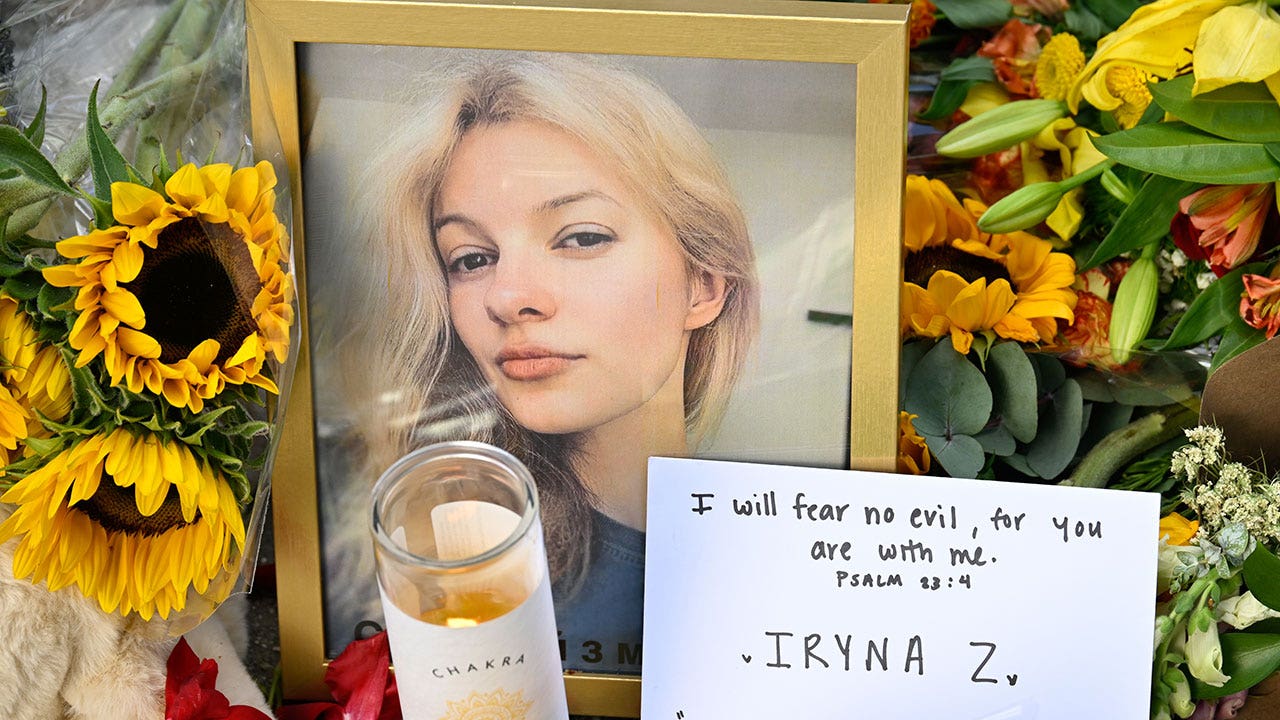
Providence Mayor Brett Smiley asked that an incomplete mural honoring Iryna Zarutska be removed from the exterior of The Dark Lady, an LGBTQ+ club in downtown Providence. Smiley's office said the mayor views the intent behind murals funded across the country, including this one, as "misguided" and "divisive" and encouraged support for local artists whose work "brings us closer together." Artist Ian Gaudreau, who began work on the mural last week, said the painting was not intended to be political. Elon Musk publicly pledged $1 million to a project memorializing Zarutska in a September 2025 post on X. Background: Zarutska, a 23-year-old Ukrainian refugee, was stabbed to death on a Charlotte light rail train last year; the suspect, Decarlos Brown Jr., is charged with a capital federal offense and has a prior criminal history. The article includes statements by public officials and references to national political reactions to the killing. Smiley’s office did not immediately respond to Fox News Digital’s request for additional comment.
Biblical Reflection
This story raises two legitimate Christian concerns: honoring the dignity of a murdered person and stewarding civic life so it fosters unity rather than division. Memorials and public art can be an appropriate way to mourn, name the victim, and remind communities of moral obligations (protecting the vulnerable, pursuing justice). At the same time, public grief can be seized by political actors or framed in ways that inflame partisanship. The mayor’s objection — that the mural and funding behind it may be politically charged or polarizing — reflects a civic concern about how public spaces are used. The artist’s claim that the work is not political and the broader context (a refugee victim, a high-profile donor, and a charged national conversation about crime policy) show competing intentions and interpretations. Christians should evaluate such situations by seeking truth about motives and effects: Are people honoring the victim or instrumentalizing her death? Is the response promoting justice and compassion or deepening division? Scripture calls believers to both defend the vulnerable and to pursue community unity and reconciliation. That suggests supporting memorials that respectfully commemorate victims and foster communal empathy, while resisting the politicization of grief for partisan ends. We should also advocate for fair legal processes and care for victims' families without letting political narratives override careful discernment and Christian charity.
Scripture in context
This outlook does not yet include contextual Scripture citations. Do not treat a general biblical theme as an exegetical conclusion.
Faithful Response
No prescribed response is offered. Consider the reflection prompts below in your own church context.
Reflection and Discussion
- 1Are we presuming the motives behind a memorial (or a critic’s response) before asking whether it honors the victim and fosters community healing?
- 2How might memorials, donors, or locations unintentionally politicize grief, and what standards should Christians apply when public memory intersects with partisan narratives?
- 3Does the public response to this crime prioritize seeking justice and care for the bereaved, or does it primarily advance other political aims?
Sources
Reporting links are evidence inputs; Sanctuary News' biblical reflection is commentary.
This outlook currently relies on fewer than two linked sources. Broaden verification before teaching from it.
- 1.Original reportprimary