News Summary
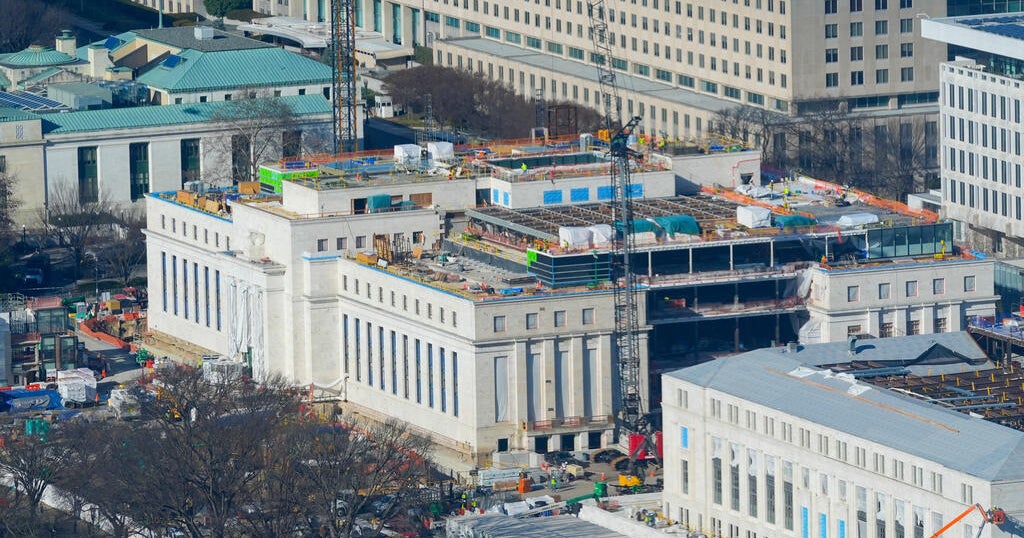
On April 14, 2026, two prosecutors from U.S. Attorney Jeanine Pirro’s office and an investigator visited the Federal Reserve headquarters in Washington, D.C., without prior notice and attempted to gain access to the site of an ongoing renovation. They were denied entry and given contact information for the Fed’s legal team. The renovation project has been the subject of a criminal investigation opened by the U.S. Attorney’s Office in D.C. in November. In January, Fed Chair Jerome Powell disclosed that grand jury subpoenas had been issued to the Federal Reserve as part of a probe tied to his testimony before the Senate Banking Committee in June 2025; the project has cost about $2.5 billion so far. In March, U.S. District Judge James Boasberg quashed the subpoenas, writing that they appeared to be a pretext to pressure Powell to change his conduct; the Justice Department’s request for reconsideration was later denied. The Fed’s outside counsel, Robert Hur, wrote to the prosecutors saying their unannounced visit and request for a tour was inappropriate and that courts, not on-site actions, are the avenue to challenge the judge’s findings. Pirro defended scrutiny of the project’s cost overruns. The two prosecutors were identified as Carlton Davis and Steven Vandervelden; the accompanying investigator was Matthew Fox-Moles. The visit was first reported by the Wall Street Journal. The investigation has not produced criminal charges; it has also affected the political process around President Trump’s nominee for Fed chair, Kevin Warsh, with at least one senator saying he will not advance the nominee while the inquiry continues.
Biblical Reflection
This story raises two overlapping Christian concerns: the rightful call for accountability and the equally weighty need for impartiality in the administration of justice. On one hand, stewardship and transparency over large public or quasi-public expenditures (a multi‑billion dollar renovation at the nation’s central bank) are legitimate matters for investigation. Christians should support careful, lawful scrutiny that seeks truth and protects the common good. On the other hand, the sequence of events reported — unannounced visits after subpoenas were quashed by a judge who described them as pretextual — points to risks of using legal processes for political pressure or public spectacle. Scripture repeatedly calls for fair, unbiased justice (e.g., Deuteronomy’s prohibition against perverting justice) and warns against partiality and the abuse of power. The article presents documented facts (judge’s ruling, the letter from Fed counsel, statements from Pirro) but cannot by itself prove intent; it relies on court findings and quoted actors. Readers should note that the piece foregrounds the judge’s conclusion that the subpoenas were pretextual and the Fed counsel’s admonition; it includes Pirro’s public defense but lacks a statement from the Justice Department responding to the specific visit. A Christian response is to press for processes that follow legal norms, avoid partisan weaponizing of law enforcement, and insist that accountability be pursued with integrity, humility, and respect for institutional due process. Above partisan allegiance, Scripture calls Christians to seek truth, love justice, and hold leaders accountable without mirroring their abuses.
Scripture in context
This outlook does not yet include contextual Scripture citations. Do not treat a general biblical theme as an exegetical conclusion.
Faithful Response
No prescribed response is offered. Consider the reflection prompts below in your own church context.
Reflection and Discussion
- 1Am I inclined to interpret legal actions by political actors through partisan loyalty rather than evidence and procedure, and how does that affect my view of justice?
- 2What structures and safeguards should Christians expect and defend to ensure investigations pursue truth rather than serve as instruments of political pressure?
- 3Which sources are absent in this report (for example, direct DOJ comment about the visit), and how does that gap shape the story I’m being offered?
Sources
Reporting links are evidence inputs; Sanctuary News' biblical reflection is commentary.
This outlook currently relies on fewer than two linked sources. Broaden verification before teaching from it.
- 1.Original reportprimary