News Summary
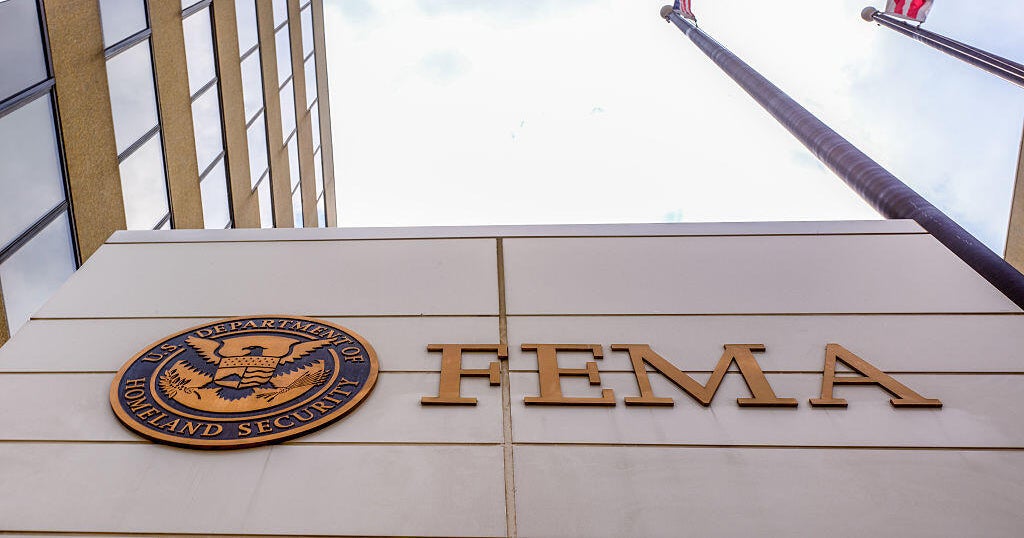
A report from the advocacy group Sabotaging Our Safety warns that a proposed overhaul of FEMA by the Trump-appointed FEMA Review Council would reduce federal disaster aid access and shift more responsibility and cost to state and local governments. Key proposals include raising the per-capita threshold for major disaster declarations (from $1.94 to $2.99 per person), replacing FEMA’s project-by-project Public Assistance reimbursements with a formula-based lump-sum program called RAPID, collapsing multiple categories of individual assistance into a single capped payment, requiring federal RAPID funds to be spent within eight years, and shifting long-term housing assistance responsibility to states, territories, and tribes. The analysis claims the higher declaration threshold would have excluded roughly 29% of major disaster declarations between 2012 and 2025 (about 16 fewer declarations per year), that formula grants could leave gaps between aid and actual rebuilding costs, and that changes to flood-insurance pricing and policy could raise premiums in high-risk areas while making coverage unaffordable or unavailable in low-income ZIP codes. The article notes FEMA has lost more than 5,000 employees since January 2025 and has many senior leadership vacancies; DHS and the Review Council defend the reforms as strengthening FEMA’s mission and accountability. The article reports projected figures for recent FEMA Public Assistance spending (~$180 billion over the past five years) and highlights concerns about NFIP debt (~$20 billion) and underinsured homes in flood-prone regions.
Biblical Reflection
From a Christian perspective, the core question is how policy changes steward the vulnerable and serve the common good. Proponents of the overhaul frame it as efficiency, accountability, and restoring state responsibility; critics warn it will leave low-income families, rural communities, and strained local governments without timely federal support after disasters. The article relies heavily on a progressive advocacy group's analysis, so readers should note the group's perspective and verify technical claims against multiple sources (GAO, Congressional analyses, independent modeling). Spiritually, the proposals trade centralized federal backup for local responsibility — a shift that can be responsible when local capacity is strong but dangerous where it is not. Christian virtues call us to truth-seeking (verify policy impacts), mercy (protect those least able to recover), humility (recognize limits of any single approach), and courage (advocate for policies that guard the most vulnerable). Practically, churches and Christian organizations should prepare both to hold public officials accountable for equitable disaster policy and to increase community-level readiness and support where federal backstops may shrink.
Scripture in context
This outlook does not yet include contextual Scripture citations. Do not treat a general biblical theme as an exegetical conclusion.
Faithful Response
No prescribed response is offered. Consider the reflection prompts below in your own church context.
Reflection and Discussion
- 1Whose burdens increase if federal aid is harder to access — and are those the people our faith calls us to protect?
- 2What assumptions about state and local capacity underlie this plan, and where might those assumptions fail in rural or low-income areas?
- 3Does a formula-driven, time-limited approach to recovery prioritize short-term accounting over the long, complex work of rebuilding communities?
Sources
Reporting links are evidence inputs; Sanctuary News' biblical reflection is commentary.
This outlook currently relies on fewer than two linked sources. Broaden verification before teaching from it.
- 1.Original reportprimary