News Summary
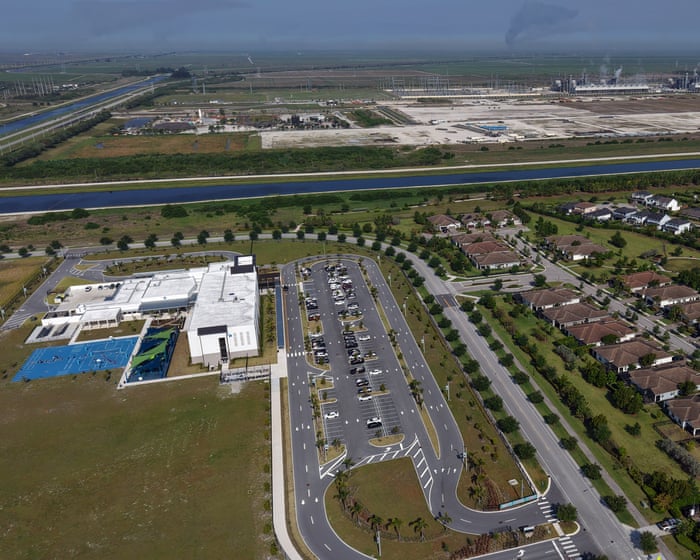
The Guardian reports a developers’ proposal to build a 600MW hyperscale datacenter on a 202‑acre parcel in western Palm Beach County near the northern edge of the Florida Everglades. The site is described as surrounded by water and located about 16 miles southwest of Mar‑a‑Lago. Local environmentalists and experts warn the project could damage wetlands, increase stress on regional water and electricity systems, and exacerbate toxic blue‑green (cyanobacterial) algal blooms in a system already affected by drought, fertilizer runoff, and warm temperatures. The article notes federal and state authorities have spent roughly $6 billion on Everglades restoration. The reporting does not include developer statements, detailed project technical specifications, mitigation plans, or regulatory-review documents.
Source and Framing Analysis
Source: The Guardian (primary reporting for this cluster). Framing: the piece foregrounds warnings from local environmentalists and experts about environmental and public‑health risks, situating the proposal within the broader context of Everglades restoration and recent algal blooms. Strengths: provides concrete, material details (capacity, site size, proximate geography) and links the project to existing, documented regional stresses. Limits and omissions: the article excerpt does not include the developer’s identity or response, permit or regulatory status, projected water/electricity consumption figures, cooling technology or wastewater/discharge plans, or independent environmental impact modelling. Because the reporting emphasizes potential harms without presenting the developer’s side or regulatory documentation, readers should treat the environmental warnings as credible signals that merit further technical review rather than as conclusive proof of specific impacts.
How sources covered this story
Sanctuary separately assesses reporting quality and alignment with Christian virtues. The virtues assessment considers truthfulness, dignity, compassion, justice, peacemaking, humility, and care for vulnerable people. It does not assess a publisher's faith or reward religious language.
Compare 1 reports
Reporting 78/100Virtues 75/100
- Distinctive contribution
- Names a specific proposed hyperscale datacenter site: 202-acre parcel about 16 miles SW of Mar-a-Lago on the northern edge of the Everglades; estimates 600 MW capacity; highlights that the parcel is surrounded by water; connects the proposal to concerns about exacerbating toxic blue‑green algae blooms in a system already stressed by drought, fertilizer runoff and warm temperatures; notes $6bn combined federal/state spending on Everglades restoration.
- Framing
- Frames the story around environmental risk and expert/local environmentalist warnings, emphasizing potential harm to wetlands and the connection to existing algal bloom problems and restoration efforts. Uses proximity to a well-known landmark (Mar-a-Lago) to locate the site.
- Omissions or uncertainty
- Does not identify the developer or provide their response, permit status, or mitigation plans; lacks technical details about projected water or power sources/use, cooling technology, or how operations would specifically worsen algal blooms; does not quantify expected environmental impacts or cite regulatory review findings.
- Why these scores
- The excerpt is specific and responsibly links the project to credible environmental concerns and broader context (restoration spending, Lake Okeechobee algal coverage). It attributes worries to local environmentalists. It loses some points for omitting developer perspectives, permitting/technical details, and precise data on projected resource use or modeling of impacts—limitations that may exist only because this is an excerpt. The report centers on protection of a vulnerable ecosystem and public-health-related algal blooms, reflecting concern for stewardship and care for affected communities. It does not dehumanize or sensationalize; however, the excerpt does not explicitly foreground human communities most vulnerable to impacts or present balancing perspectives (e.g., jobs or mitigation), so it earns a solid but not maximal score.
Biblical Reflection
A Christian outlook on this proposal centers stewardship, neighbor‑love, truth, mercy, justice, humility, dignity, and care for vulnerable neighbors. The Everglades and connected water systems are common goods that sustain communities, wildlife, and regional water quality; proposals that risk long‑term harm require transparent science, independent review, and protections for those most likely to suffer harm. At the same time, Christians should avoid reflexive technophobia or uncritical boosterism: weigh possible economic and technological benefits soberly against environmental costs, press for binding mitigation where feasible, and insist on clear accountability. Faithful public engagement will combine truth‑telling about credible risks with a posture of mercy and practical problem‑solving—advocating for renewable energy sourcing, low‑impact cooling and water reuse, and enforceable safeguards to protect wetlands and neighboring communities.
Scripture in context
- 1Genesis 2:15 — The biblical call to care for the created order describes human responsibility to tend and keep the garden rather than exercise unconstrained domination. — This passage frames decision‑making about large projects as stewardship responsibilities: when evaluating developments near fragile ecosystems, Christians should prioritize protecting life‑sustaining systems and the long‑term well‑being of neighbors who depend on them.
- 2Luke 10:25–37 (Good Samaritan) — Jesus’ parable about the neighbor reframes neighborliness as practical care for those in need, crossing social boundaries to protect and assist vulnerable persons. — When environmental decisions risk harming water quality, health, or livelihoods, Christians are called to defend and advocate for those most at risk—even if those people are economically or politically marginalized—by ensuring public processes are fair, informed, and oriented to the common good.
Faithful Response
Pray for clarity, wise officials, scientists, developers, and affected communities—asking for discernment that combines truth and mercy.
Seek fuller information: request or review environmental impact statements, permit applications, regulatory filings, and any independent modelling or technical assessments related to the proposal.
Attend or encourage informed participation in public hearings and comment periods; engage civilly and insist on evidence‑based analysis and protections for vulnerable ecosystems and people.
Press civic leaders to require independent, peer‑reviewed environmental assessments and binding mitigation or avoidance measures before approvals are granted.
Support or volunteer with local conservation and restoration groups working on Everglades recovery, water‑quality monitoring, and community health protections.
Advocate for and model reduced personal and congregational energy and water use, and encourage investment in renewable energy and low‑impact cooling technologies that lower regional pressure on water and power systems.
Reflection and Discussion
- 1How does Scripture’s call to steward creation shape the default Christian posture toward large technology projects sited near vulnerable ecosystems?
- 2When experts warn of environmental risk, what concrete steps should Christians take to ensure both truth and mercy in public advocacy?
- 3What minimum criteria (transparency, independent impact studies, enforceable mitigation) should Christians insist on before supporting major developments that affect common resources?
- 4Who are the neighbors most likely to be harmed by changes in water quality and wetland loss here, and how can the church amplify their voice in public processes?
Sources
Reporting links are evidence inputs; Sanctuary News' biblical reflection is commentary.
This outlook currently relies on fewer than two linked sources. Broaden verification before teaching from it.
Download source notes