News Summary
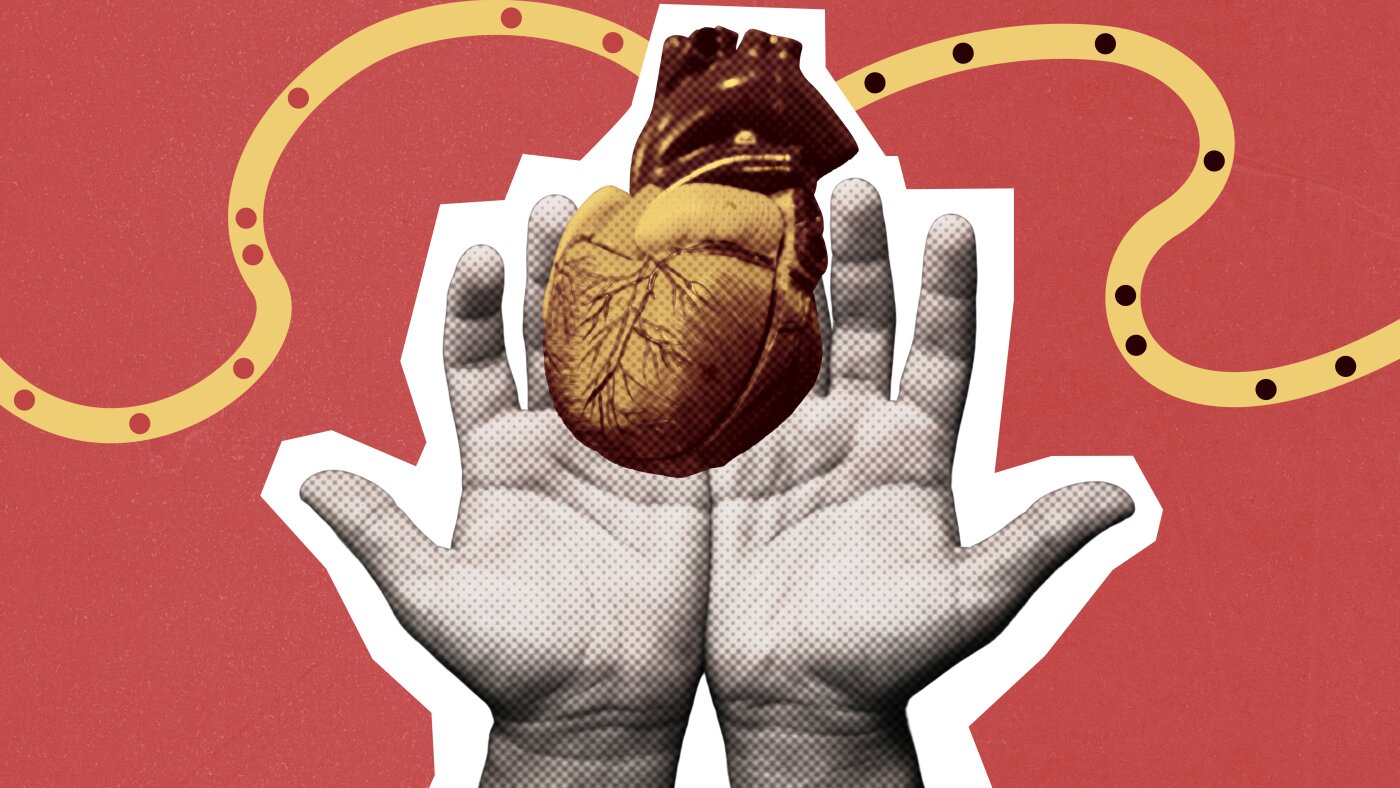
A paper and accompanying commentary in the New England Journal of Medicine propose allowing surgeons to remove hearts and other vital organs from consenting patients who have chosen euthanasia, with the organ removal itself causing death. Proponents (including Drs. Robert Truog and Carter Winberg) argue this would increase organ viability and honor patient autonomy and altruism. The proposal directly challenges the long-standing Dead Donor Rule, which requires donors be declared dead before organ procurement and prohibits causing death to obtain organs. Some bioethicists find the idea defensible if strict safeguards and informed consent are ensured; others call it ethically unacceptable, equating it with murder, warning of consent limits, potential abuse, erosion of trust in medicine and organ donation systems, and slippery-slope risks to other end-of-life contexts. The article notes euthanasia is legal in several countries, while physician-assisted suicide is legal in some U.S. states; currently, removal of organs from euthanasia patients generally occurs after lethal drugs have caused death, which reduces organ suitability for certain transplants.
Biblical Reflection
The proposal raises a genuine pastoral and moral tension between compassion for suffering and commitment to the sanctity and dignity of human life. On one hand, the desire to relieve suffering and to give one’s body to save others reflects generosity and concern for neighbors. On the other hand, intentionally causing a person's death—even with consent—to obtain organs risks treating persons as means to an end, undermining medical trust and weakening protections for the vulnerable. The article fairly presents both utilitarian and autonomy-based arguments as well as strong objections; however, its framing does not fully explore how cultural pressures, economic factors, or constrained health systems could influence consent. From a Christian wisdom lens, policies should protect human dignity, avoid normalizing killing as a medical tool, and prioritize robust safeguards, transparent public debate, and strengthened palliative care and voluntary posthumous donation pathways that do not require active killing.
Scripture in context
This outlook does not yet include contextual Scripture citations. Do not treat a general biblical theme as an exegetical conclusion.
Faithful Response
No prescribed response is offered. Consider the reflection prompts below in your own church context.
Reflection and Discussion
- 1Does voluntary consent remove the moral problem of intentionally causing a person's death for another's benefit?
- 2Who might be indirectly pressured—by family, finances, or medical scarcity—to choose donation-linked euthanasia, and how would safeguards realistically prevent that?
- 3What message does permitting organ removal-by-death send about the role of medicine: to heal and comfort or also to actively end life for resource ends?
Sources
Reporting links are evidence inputs; Sanctuary News' biblical reflection is commentary.
This outlook currently relies on fewer than two linked sources. Broaden verification before teaching from it.
- 1.Original reportprimary