News Summary
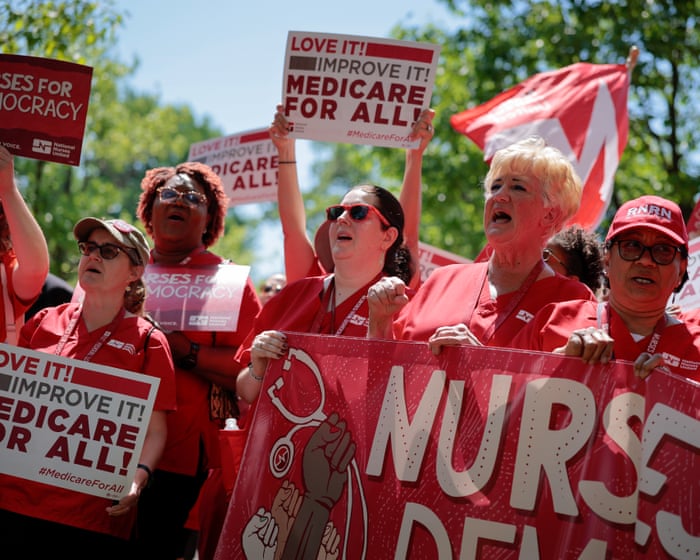
Reported facts: The Congressional Progressive Caucus held a shadow hearing on Medicare for All on 22 July 2026 led by Reps. Pramila Jayapal and Debbie Dingell; the article reports that more than half of House Democrats have co‑sponsored Medicare for All legislation and that Sen. Andy Kim introduced a bill to enroll people under 26 in Medicare. Attributed claims: CPC members said the U.S. healthcare system is 'in dire straits' and argued healthcare should not be a privilege; the article attributes to Republicans passage of the One Big Beautiful Bill Act that it describes as including nearly $1 trillion in Medicaid cuts and allowing ACA subsidies to expire. Uncertainty: the article presents advocacy and fiscal claims without detailed legislative text, independent fiscal analysis, or opposing statements in the same piece.
Source and Framing Analysis
The Guardian piece centers the progressive caucus’s moral framing and labels the hearing a 'shadow hearing,' signaling it was not a formal committee session. The article includes strong evaluative language (e.g., 'dire straits') and fiscal claims about rival legislation without presenting supporting legislative excerpts or third‑party fiscal analysis. The lack of direct quotes from Republican policymakers or independent budget analysis is a material framing choice that affects how readers assess the reported policy consequences.
Biblical Reflection
Christians are called to weigh public policy against Scripture’s concern for the vulnerable, the sick, and the poor. The article presents a moral case for broader, government‑level care; that concern aligns with biblical priorities about neighbor care and justice. At the same time, concrete policy proposals should be evaluated on truthfulness, likely effects on access and quality of care, and the real burdens placed on families and providers.
The reporting is advocacy-oriented: it highlights progressive leaders’ framing and cites dramatic fiscal claims about Republican legislation without detailed supporting analysis in the piece. A Christian posture here is to hold both moral clarity and intellectual humility—advocate compassionately for policies that protect the vulnerable while insisting on careful, evidence-based assessment of consequences.
Finally, Christians should resist tribal reflexes that turn healthcare into a partisan litmus test. The gospel calls for mercy, wise stewardship, and peacemaking; those virtues require listening to affected neighbors, asking rigorous questions about outcomes, and working across differences to reduce suffering.
Scripture in context
- 1Matthew 25:31-46 — In Matthew 25 Jesus uses the imagery of final judgment to commend care for 'the least of these'—feeding the hungry, visiting the sick and imprisoned—within a narrative about the kingdom and neighborly responsibility. — The passage situates public concern for the vulnerable within Christian discipleship: policy debates about healthcare should be evaluated by how they treat the needy, while recognizing that moral exhortation in Scripture does not prescribe technical policy designs.
Faithful Response
Pray for lawmakers, healthcare workers, and those affected by coverage gaps, asking for wisdom and protection.
Listen to and amplify the experiences of people directly impacted by healthcare access or cost issues before forming policy conclusions.
Study the likely effects of proposed policies (coverage, cost, quality, and access) using reputable analyses, and support local ministries or clinics that serve uninsured or underinsured neighbors.
Engage in civil, informed advocacy—write to representatives, participate in public forums, and vote with attention to compassion and prudence.
Reflection and Discussion
- 1Which voices are missing from this report—patients, clinicians, independent analysts—and how would their perspectives change my reading?
- 2How does my faith shape what counts as 'justice' and 'care' in a debate about national healthcare?
- 3Am I willing to hold both moral urgency for the vulnerable and willingness to learn from empirical evidence when judging policy proposals?
Sources
Reporting links are evidence inputs; Sanctuary News' biblical reflection is commentary.
This outlook currently relies on fewer than two linked sources. Broaden verification before teaching from it.
- 1.‘Our system is in dire straits’: progressive Democrats hold Medicare for All hearingprimary_reporting