News Summary
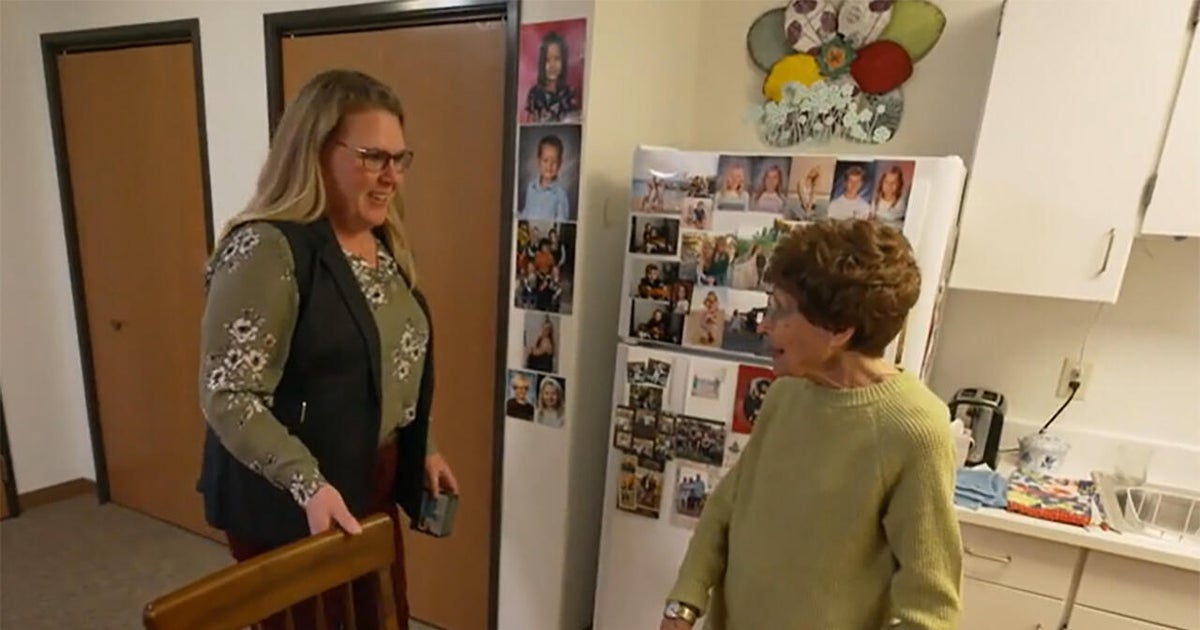
Reported facts: The article states that loneliness and social isolation are health risks more common among older adults in rural America and says a North Dakota initiative called "Aging in Community" seeks to connect neighbors to support isolated seniors. Attributed claims: The article attributes claims about increased health risks to the broader phenomenon of loneliness among rural elders; it does not cite specific studies or experts in the supplied text. Uncertainty: The piece provides no outcome data or external research citations showing the program’s effectiveness or the precise scale of the problem nationally.
Source and Framing Analysis
The story is single-source reporting from CBS News and is framed around a single program example in North Dakota. That framing highlights a constructive local response but leaves material uncertainty about broader prevalence, causes, and measured outcomes. The article's focus on a positive local program can understate structural barriers (transportation, healthcare access, workforce shortages) that also contribute to rural isolation.
Biblical Reflection
The article highlights a widely recognized pastoral concern: older persons living alone are vulnerable to physical, emotional, and social harm, and neighborly care can reduce that vulnerability. The program reported — Aging in Community — appears aimed at practical, relational help rather than ideological solutions, and it models what churches and congregations have long done when they organize visits, meals, rides, and social contact for elders.
The reporting is limited in detail and does not cite studies or outcome data, so readers should avoid treating the description as proof of program effectiveness or as a comprehensive diagnosis of rural aging needs. From a Christian vantage, the story calls us to both personal compassion and public wisdom: compassion to enter practical service to lonely neighbors, and wisdom to support programs that can be sustained and evaluated so resources actually reduce harm.
Spiritually, the article exposes a cultural tendency toward isolation — geographic, technological, and social — that undermines human dignity. The Christian response honors truth (recognize the scale and causes of the problem), mercy (respond practically and patiently), and justice (advocate for policies and funding that help vulnerable populations), while keeping humility about what any single program can accomplish.
Scripture in context
- 1Luke 10:25-37 (Parable of the Good Samaritan) — Jesus tells this parable in response to a question about who is one's neighbor, redefining neighborliness as practical, cross-boundary compassion rather than ethnic or religious proximity. — The parable directs Christians to active, practical love that crosses social boundaries; supporting neighbors who are vulnerable or isolated matches the story's pattern of hands-on care rather than mere sentiment.
Faithful Response
Visit or call an isolated elder regularly and coordinate with local programs to ensure continuity of care.
Organize practical help (meals, rides, home repairs, companionship) through church ministries or community volunteers with background checks and training.
Advocate with local officials for transportation, broadband access, and home-based services that reduce isolation and increase seniors' safety and dignity.
Pray for discernment and for programs to measure outcomes so resources are used wisely.
Reflection and Discussion
- 1How does this story challenge our assumptions about where community care belongs—inside families, churches, or public systems?
- 2What practical, sustainable steps can local congregations take to reduce isolation without replacing professional services?
- 3In what ways might cultural norms (mobility, individualism, digital substitution for real presence) contribute to rural seniors' loneliness?
Sources
Reporting links are evidence inputs; Sanctuary News' biblical reflection is commentary.
This outlook currently relies on fewer than two linked sources. Broaden verification before teaching from it.
- 1.Home, not alone: Helping aging seniors in rural Americaprimary_reporting