News Summary
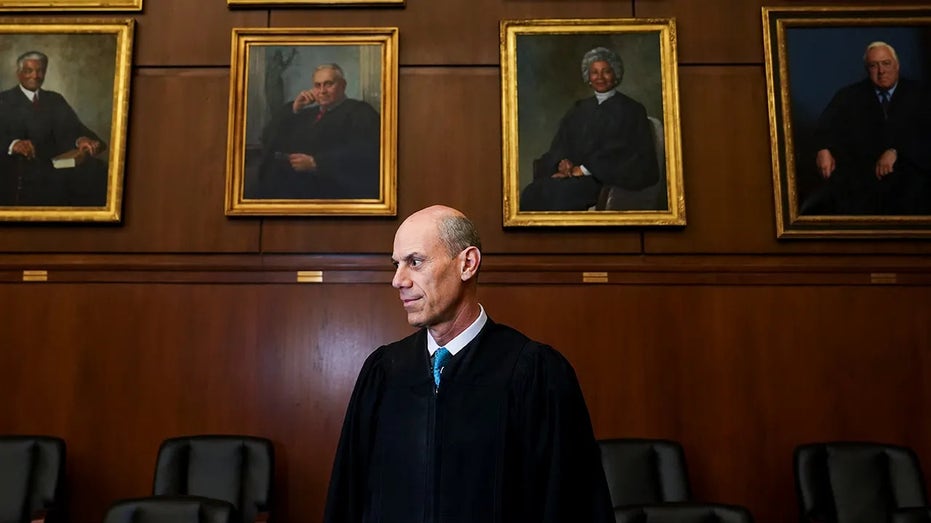
Reported facts: A Fox News opinion column states that pro-life groups have appealed a decision by U.S. District Judge James Boasberg denying them a jury trial in a case alleging selective enforcement related to a chalk protest. Attributed claims: The piece attributes to the pro-life groups the allegation of selective enforcement and characterizes the judge as having complained about former President Trump and exceeded his authority. Uncertainty: The article is an opinion column and provides no court filings, transcripts, or independent documentation of the judge’s statements or the legal reasoning behind the denial, so factual verification of some claims is not possible from this source alone.
Source and Framing Analysis
The supplied article is an opinion column that uses charged language to describe the judge (e.g., 'whines,' 'gets caught exceeding his own'). That framing signals the author's perspective and reduces the piece's value as neutral reporting. Material uncertainties that affect the story include absence of the court opinion, the complaint, motions, or appellate filings; lack of direct quotations or citations to the judge’s orders; and no independent corroboration of claims about selective enforcement. Those gaps make it impossible, from this single source, to determine whether the judge’s legal reasoning was proper or whether the plaintiffs’ allegations have merit.
Biblical Reflection
This legal dispute raises two important Christian concerns: the pursuit of justice and the need for humility from all public actors. On one hand, those who believe they experienced unequal enforcement have a legitimate right to seek redress in court; Christians should defend the rule of law and fair process for every party, including unpopular plaintiffs. On the other hand, commentators and officials—judges included—are called to a demeanor of humility and restraint. Opinionated language that ridicules or personalizes judicial conduct can inflame division and distract from the substantive legal questions.
Because the published piece is an opinion column and supplies limited factual detail about the underlying filings and rulings, readers should withhold definitive judgment about the judge’s reasoning or the merits of the appeal until court documents or impartial reporting are available. Christian discernment requires distinguishing accusations from proven facts, seeking the truth, and resisting partisan reflexes. Where there is credible evidence of unjust treatment, Christian concern for the vulnerable compels advocacy; where there is mere rhetoric, Christians ought to promote calm, respectful pursuit of justice through lawful channels.
Scripture in context
- 1Isaiah 1:17 — Isaiah addresses Israel's failure to practice justice and righteousness, calling people away from empty ritual toward concrete acts of justice—learning to do good, seeking justice, defending the oppressed. — The passage calls Christians to pursue justice actively and practically while rejecting hypocrisy; in legal controversies this means advocating for fair processes, protecting the vulnerable, and avoiding self-righteous posturing that treats justice as a performance rather than a duty.
Faithful Response
Pray for clarity and for all participants in the legal process—judges, plaintiffs, defendants, and lawyers—to act with integrity.
Seek primary documents (court orders, filings, rulings) before forming a firm opinion; prioritize evidence over rhetoric.
Speak and share about the case in ways that uphold due process and avoid inflaming personal attacks on individuals involved.
If moved to advocacy, do so through lawful channels that protect the rights of others and respect court procedures.
Reflection and Discussion
- 1Are you assuming bad faith by public officials before reviewing primary evidence, and how might that assumption shape your actions?
- 2How should Christians balance advocacy for perceived injustices with respect for legal process and those who serve within it?
- 3In controversies that attract strong partisan language, what practices help preserve truth, mercy, and neighbor-love?
Sources
Reporting links are evidence inputs; Sanctuary News' biblical reflection is commentary.
This outlook currently relies on fewer than two linked sources. Broaden verification before teaching from it.
- 1.JONATHAN TURLEY: Judge Boasberg whines about Trump’s power and then gets caught exceeding his ownprimary_reporting