News Summary
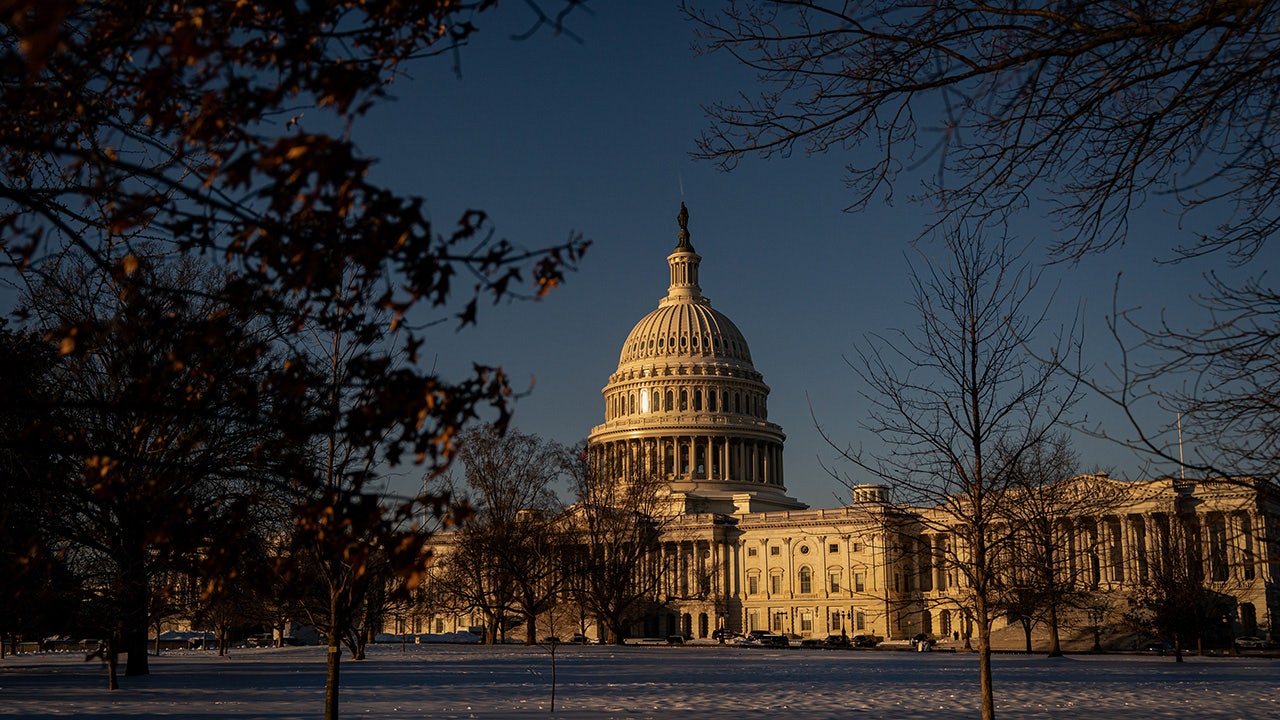
Congressional pro forma sessions — very short ceremonial meetings held every three days to meet the constitutional requirement in Article I, Section 5 — became the focus of attention during the ongoing partial Department of Homeland Security (DHS) shutdown. The House on Friday passed a bill to fund DHS for two months; the Senate did not advance that House bill. Without a mutual adjournment resolution, both chambers continued to hold pro forma meetings. On Tuesday, the Senate convened for about 31 seconds with Sen. John Hoeven presiding and adjourned without conducting business. Senators present could have attempted to act on the House-passed bill during the pro forma session but did not. On Wednesday, House Speaker Mike Johnson publicly reversed course and agreed to a Senate-passed measure that would fund most of DHS through Oct. 1 but exclude funding for Border Patrol and ICE. Senate Majority Leader John Thune returned to the floor for a pro forma session Thursday morning in a rare show of leadership presence during such a session. Despite the Senate action and Johnson’s statement of support for the Senate package, the House Republican Conference did not coalesce behind the change, the House took no action in its pro forma session, and DHS remained unfunded at the time of this report.
Biblical Reflection
This story highlights how parliamentary procedure and partisan strategy can shape whether government functions, sometimes more visibly than the substantive issues at stake. Pro forma sessions are legitimate constitutional tools, but their use here became a tactical theater: press and public watched whether leaders would convert perfunctory sessions into moments of decisive action. The coverage rightly explains the mechanics, yet the framing emphasizes drama and personality (reversals, rare floor appearances) over the human and institutional consequences of a continuing shutdown — including the impact on DHS employees, public safety operations, and people who rely on the agency. From a Christian perspective, political maneuvering that prioritizes advantage, spectacle, or procedural wins over faithful stewardship and care for vulnerable persons falls short of biblical ideals. Scripture calls leaders to pursue justice, protect the vulnerable, and govern with integrity. At the same time, Christians should be cautious of media narratives that emphasize conflict and personality because such narratives can obscure structural realities and moral responsibilities. Evaluate claims by asking whether reporting centers on facts of action/inaction and consequences, not only on theater; hold political actors accountable for their stewardship; and avoid gratifying partisan impulses that dehumanize opponents. Ultimately, this episode is a reminder that lawful process matters, but so do its ends — the common good, honest leadership, and compassion for those harmed when government falters.
Scripture in context
This outlook does not yet include contextual Scripture citations. Do not treat a general biblical theme as an exegetical conclusion.
Faithful Response
No prescribed response is offered. Consider the reflection prompts below in your own church context.
Reflection and Discussion
- 1Does the article focus more on procedural drama and personalities than on the tangible effects of the shutdown (workers, security, public services)?
- 2Where might partisan strategy be shaping use of parliamentary tools (like pro forma sessions) in ways that hide or delay substantive responsibility?
- 3How does this episode challenge Christians to weigh lawful, procedural politics against the biblical call to protect and provide for vulnerable people?
Sources
Reporting links are evidence inputs; Sanctuary News' biblical reflection is commentary.
This outlook currently relies on fewer than two linked sources. Broaden verification before teaching from it.
- 1.Original reportprimary